Egypt advances alternative Europe–Gulf shipping corridor as losses in Strait of Hormuz become unbearable
Egypt is strengthening its cargo corridor with Italy as rising instability around the Strait of Hormuz pushes exporters and shipping companies to seek safer alternative routes linking Europe, the Gulf and Africa.
 Black News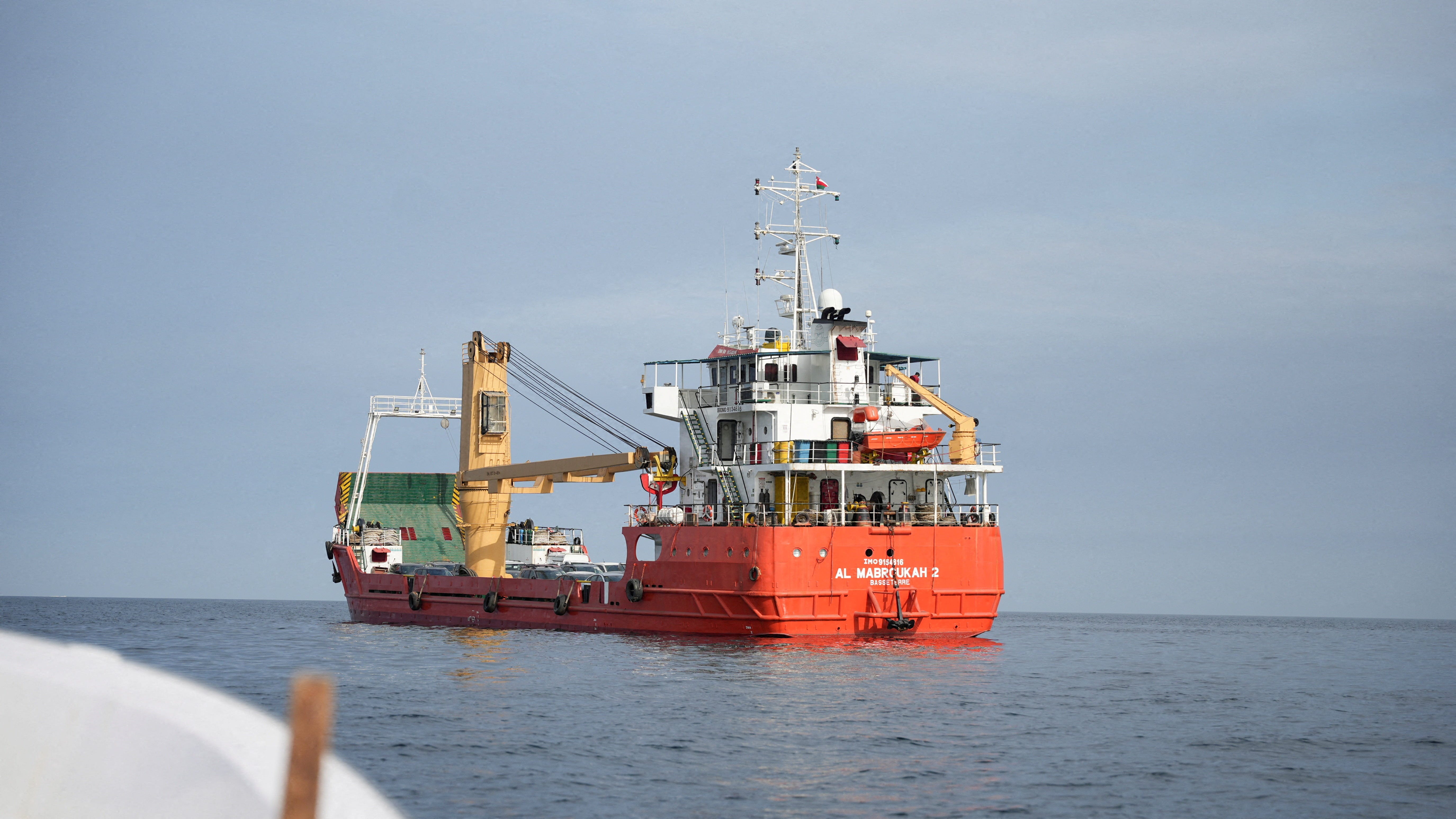


Egypt is strengthening its cargo corridor with Italy as rising instability around the Strait of Hormuz pushes exporters and shipping companies to seek safer alternative routes linking Europe, the Gulf and Africa.
- Rising instability around the Strait of Hormuz is causing exporters to seek alternative trade routes between Europe, the Gulf, and Africa.
- Egypt is strengthening its Ro-Ro cargo corridor linking Damietta Port with Italy's Trieste port to provide a safer and more efficient supply chain.
- Disruptions in the Strait of Hormuz have sharply decreased shipping traffic, raised insurance premiums, and increased trade costs globally, particularly affecting African importers.
- Egypt is positioning itself as a central logistics hub between Europe and Africa, with ambitions to boost trade flows and increase its economic significance in the region.
According to Reuters shipping data and analysis from Lloyd’s List, disruption in the Strait of Hormuz has sharply increased global trade costs, with only five to seven ships passing daily compared with the usual 140 to 178 vessels, while more than 230 oil tankers were stranded and 37 vessels were redirected.
War-risk insurance premiums rose from 0.15% to as high as 5% to 10% of hull value, pushing losses into tens of billions of dollars and increasing fuel and shipping costs for African importers.
Egypt, which also serves as home to the Suez Canal, one of the world’s most important trade arteries, is facing additional pressure from the crisis, while the European Union is also grappling with tighter energy supplies and higher freight costs.
European logistics firms such as DHL, DSV and Kuehne+Nagel reported higher freight costs and supply chain disruptions as companies shifted from sea freight to more expensive air cargo.
Analysis from Energy for Growth Hub noted that by March 2026, Egypt’s pound had lost about 7% of its value since the conflict began, partly as Suez Canal revenue declined because of weaker shipping activity linked to wider regional instability.
Egypt positions Ro-Ro corridor as strategic alternative
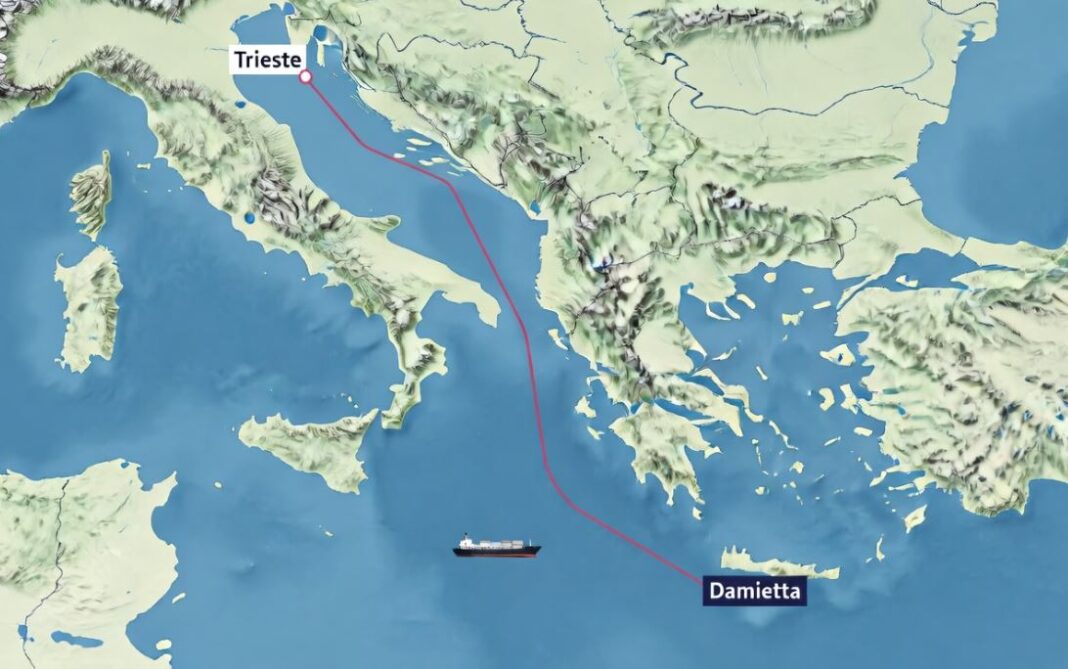
Amid these disruptions, Egypt is expanding its roll-on/roll-off (Ro-Ro) cargo corridor linking Damietta Port on the Mediterranean with the Italian port of Trieste, before cargo is transported across Egypt to Safaga Port on the Red Sea and shipped onward to Gulf markets.
The route serves destinations including the United Arab Emirates, Kuwait, Oman, Iraq and Qatar, creating a strategic land-and-sea bridge between Europe and the Gulf through North Africa.
Egypt and Italy signed the cargo transport agreement in 2023, with a weekly capacity of 420 trucks between Damietta and Trieste.
The corridor began operations in late 2024 and has since drawn growing attention from exporters and logistics operators.
On March 30, Egypt launched a new transit service to transport cargo from Europe to Gulf countries via Damietta Port, according to a statement by the Ministry of Transport.
The service handles both refrigerated and dry goods arriving from Europe through the Ro-Ro shipping line linking Damietta Port with Trieste in Italy, before being transported onward to Safaga Port and then to Gulf destinations.
Operators market route as “new trading standard”
Pan Marine Group, one of the operators behind the corridor, recently described the route as “the new trading standard,” promoting Europe-to-GCC cargo flows through Egypt as a faster and more resilient supply chain option.
The company said importers from several European markets are already using the route to access the UAE, Kuwait, Iraq, Oman and beyond, particularly for time-sensitive goods where delays can result in major financial losses.
Cairo pushes broader logistics ambitions
Egyptian Prime Minister Mostafa Madbouly said during the November 2024 launch that “this step comes within the framework of President Sisi instructions to strengthen Egypt capability to become a central logistic region between Europe and Africa in addition to increasing trade opportunities and supporting Egyptian exports of industrial products and agricultural crops through facilitating the Egyptian products entrance to the European market.”
Italy’s ambassador to Cairo also praised the project, saying the line could help increase container traffic between Mediterranean ports by 35% annually until 2027.