Diplomatic Tensions Flare as Xenophobia Unrest Grips South Africa
Diplomatic relations between South Africa and its West African peers have reached a boiling point this week following a surge in vigilante-led “anti-foreigner” protests. Ghana has formally summoned South Africa’s top envoy, while Nigeria has issued urgent safety advisories to its citizens as violence breaks out in major urban hubs, including Durban, Cape Town, and [...]
 Black News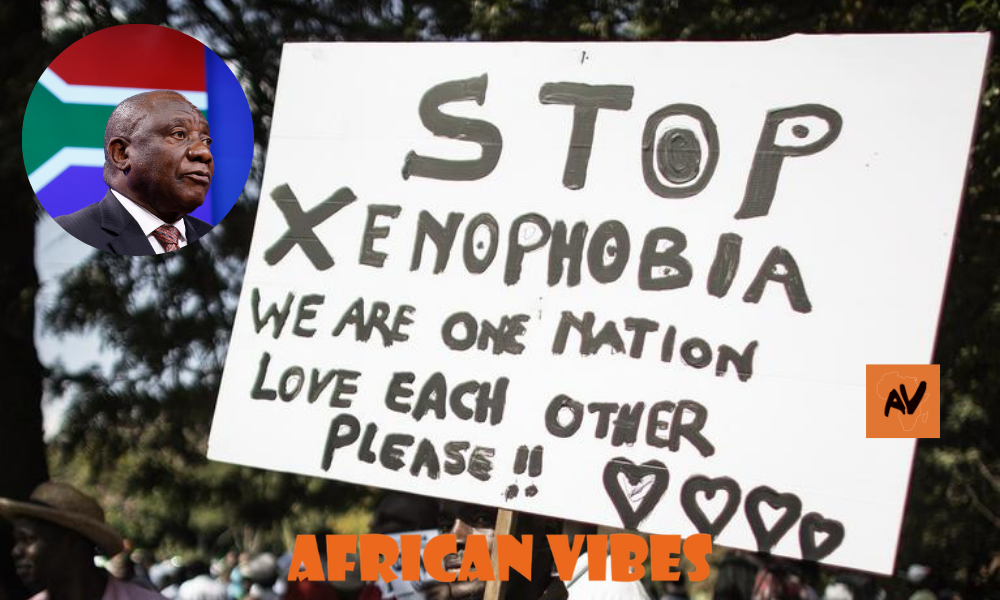

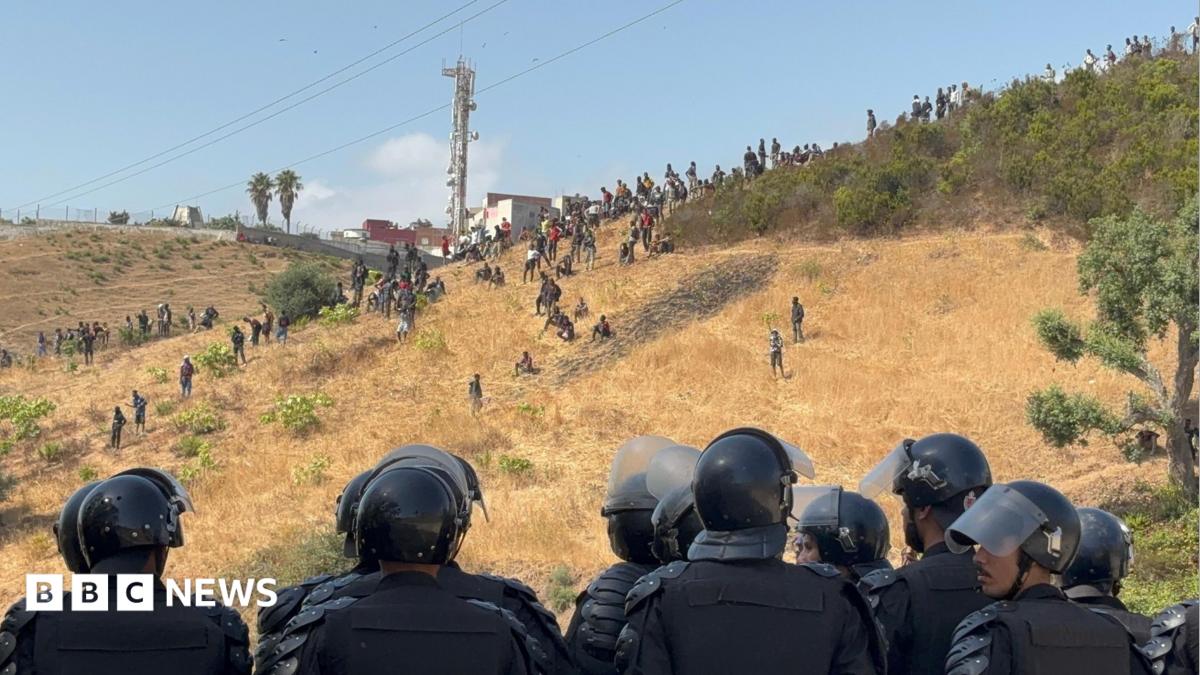
Diplomatic relations between South Africa and its West African peers have reached a boiling point this week following a surge in vigilante-led “anti-foreigner” protests. Ghana has formally summoned South Africa’s top envoy, while Nigeria has issued urgent safety advisories to its citizens as violence breaks out in major urban hubs, including Durban, Cape Town, and KuGompo (East London).
In the shadow of the gleaming skyscrapers of Sandton, Johannesburg, the air this week tastes of woodsmoke and shattered glass. For Kofi, a 34-year-old Ghanaian entrepreneur who moved to South Africa to take advantage of the burgeoning “One Africa” trade rhetoric, the dream didn’t end with a signed treaty or a handshake between presidents. It ended with a brick through his storefront.
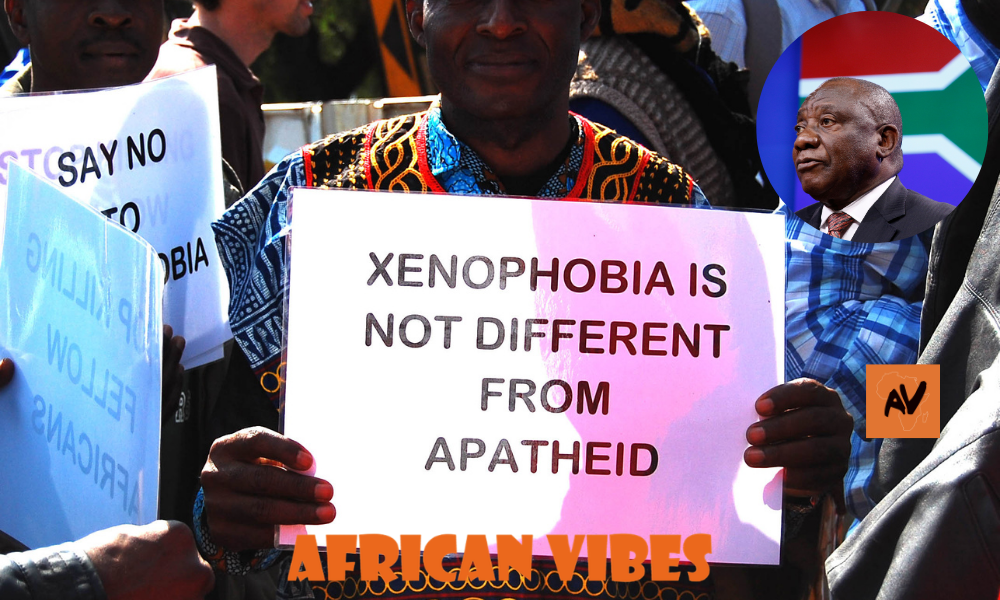
Kofi’s story is a microcosm of a bitter irony currently sweeping the continent. As the African Continental Free Trade Area (AfCFTA) promises a borderless economic renaissance, a rising tide of xenophobia—or more accurately, Afrophobia—is threatening to tear the fabric of Pan-African solidarity at the seams. From the countrywide “shutdowns” planned for May 2026 in South Africa to the tit-for-tat trader expulsions in West Africa, the continent is grappling with a paradox: How can Africa unite its markets if it cannot protect its people?
ALSO READ: South Africa Expels Israeli Envoy, Gives 72 Hours to Leave Country
The AfCFTA Paradox: Integration vs. Isolation
On paper, Africa is more unified than ever. Under the leadership of Secretary-General Wamkele Mene, the AfCFTA is designed to turn the continent into a $3.4 trillion economic powerhouse. But as politicians in Addis Ababa sign protocols on the free movement of persons, the ground reality is a growing thicket of razor wire.
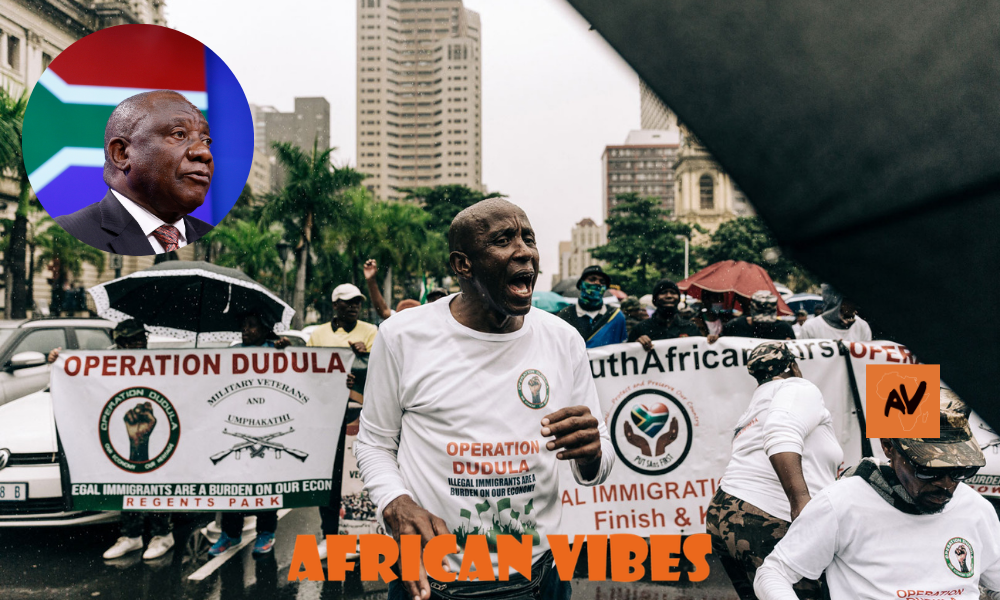
The tension is most palpable in South Africa. As the nation marks 32 years of democracy this Freedom Day, the “Rainbow Nation” is under siege by a different kind of exclusion. Groups like Operation Dudula and the Concerned Citizens of SA have moved from the political fringes into the mainstream, fueled by a narrative that migration is a zero-sum game.
“We are xenophobic,” read one chilling message from a group organizing a national shutdown for May 4, 2026. “We want all foreigners, documented or not, out of this country.”
The Root Causes: The “Resource Curse” of Scarcity
To understand the “why,” we must look past the surface-level anger. Xenophobia in Africa is rarely about culture; it is about the friction of survival.
| Factor | The Reality in 2026 | The Result |
| The Youth Bulge | Mid-40% unemployment for South Africans aged 15-34. | Foreigners become the easy “face” of a failed domestic job market. |
| Post-Pandemic Aftershocks | Inflation and supply chain collapses have shrunk the “economic pie.” | “Resource nationalism” where citizens demand “their” share of services first. |
| Algorithmic Tribalism | Social media platforms prioritize high-arousal, angry content. | Local grievances are amplified into nationalistic movements overnight via TikTok and WhatsApp. |
Vigilantism and the ‘Digital Fire’
The unrest is being amplified by a sophisticated digital campaign. Video footage circulating online shows organized groups associated with Operation Dudula confronting migrants and demanding “papers.”
In one viral clip that sparked the Ghanaian diplomatic protest, a young man from Accra was harassed despite producing valid residency documents. “They didn’t want to see my permit,” the man told reporters. “They wanted to hear my accent. Once they heard it, the permit didn’t matter.”
South Africa’s Acting Police Minister, Firoz Cachalia, has been firm in his condemnation: “No individual or group has the authority to take the law into their own hands, irrespective of grievances or frustrations.” Yet, for the approximately 2.4 million migrants in the country, that authority feels increasingly absent on the streets.
ALSO READ: How the Senqu Bridge is Cementing the Brotherhood Between Lesotho and South Africa
Conclusion: A Choice for the 2026 Generation
Xenophobia is a symptom of deeper inequities, but Africa’s shared history offers resilience. If a Kenyan cannot feel safe in Dar es Salaam, or a Burkinabé in Abidjan, the “United States of Africa” remains a beautiful, paper-thin fantasy.
The choice for our generation is clear: Will we let artificial borders divide us, or will our shared cultures unite us? As we look toward the next AU summit, the question is no longer just about tariffs. It is about whether we have the courage to protect the “Kofis” of our continent.