End of an Era? Zimbabwe’s Shift Toward a Parliamentary-Led Presidency
In the heart of Southern Africa, a quiet but profound conversation is echoing through the halls of the Parliament Building in Mt. Hampden. Zimbabwe, a nation defined by its revolutionary spirit and intellectual depth, stands at a crossroads. The traditional presidential model, often characterized by high-stakes direct elections, is being reconsidered in favor of a [...]
 Black News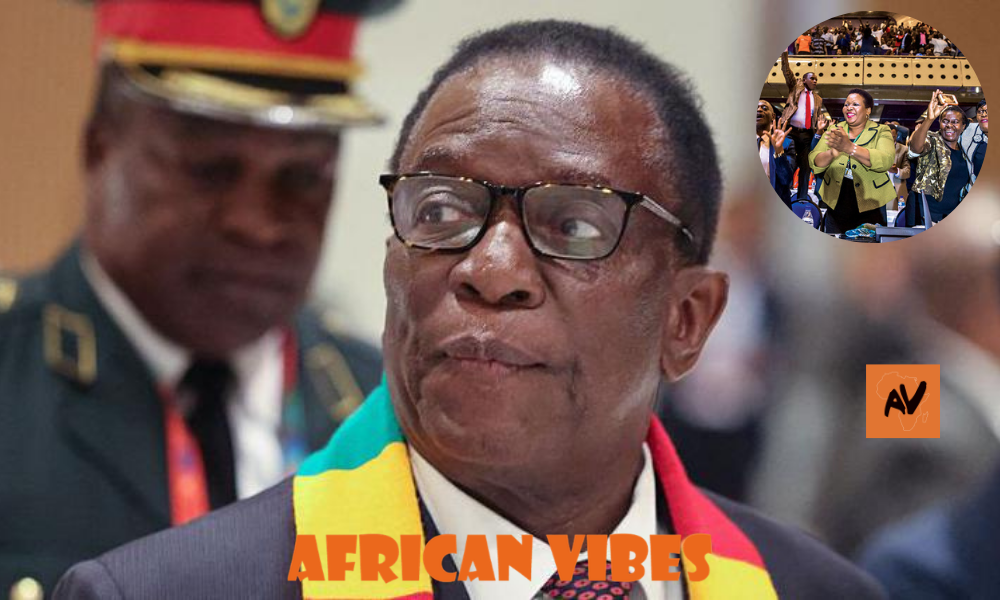
In the heart of Southern Africa, a quiet but profound conversation is echoing through the halls of the Parliament Building in Mt. Hampden. Zimbabwe, a nation defined by its revolutionary spirit and intellectual depth, stands at a crossroads. The traditional presidential model, often characterized by high-stakes direct elections, is being reconsidered in favor of a parliamentary-led system. For many, this isn’t just about politics; it’s about African democracy evolving to meet the unique needs of its people while maintaining the hard-won stability of the post-Mugabe era.
Background: The Roots of the Zimbabwean Social Contract
To understand where Zimbabwe is going, we must acknowledge where it has been. The 2013 Constitution was a landmark achievement, a collective “Yes” from the people that sought to balance executive power with legislative oversight. Historically, the presidency has been the sun around which all Zimbabwean politics orbited. However, as the nation leans further into its Pan-African leadership role, there is a growing realization that the strength of a nation lies not in one man, but in the collective wisdom of its elected representatives. This potential shift reflects a desire to de-escalate the “winner-takes-all” tension that has historically shadowed election cycles.
ALSO READ: African Union Agenda 2063: A Promising Trajectory For Africa
Key Developments: From the Ballot Box to the Green Benches
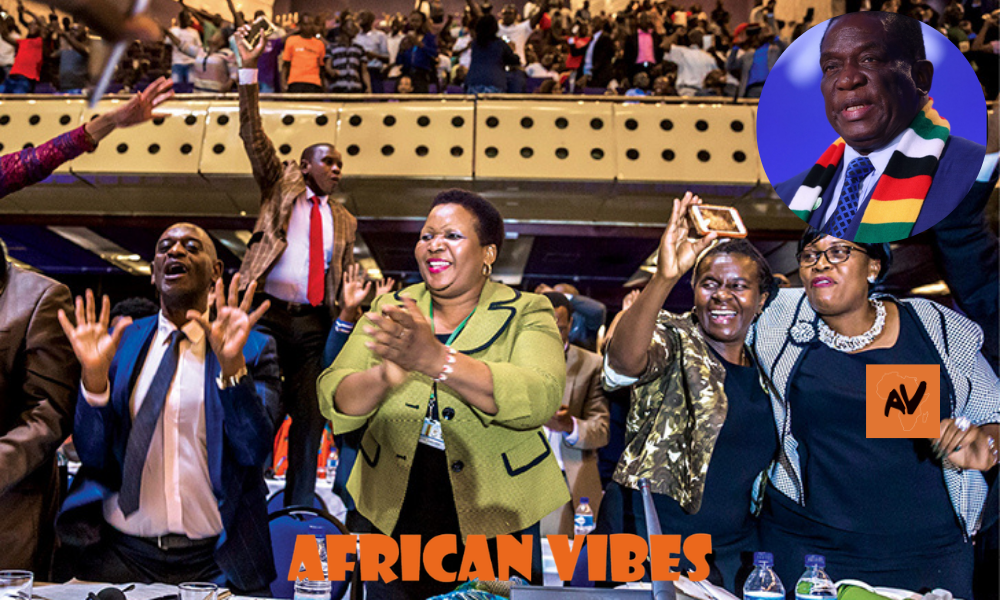
The conversation around a parliamentary-appointed president has gained momentum following recent ZANU-PF conferences. Proponents argue that a system where the head of state is chosen by the majority party in Parliament—similar to the models in South Africa or Botswana—promotes party loyalty over personality cults.
Critics and optimists alike are watching the “ED2030” sentiment. While President Emmerson Mnangagwa has consistently signaled his intent to abide by the constitution, the legislative maneuvers suggest a broadening of the power base. This evolution is seen by some as a compromise to ensure Zimbabwe economic recovery continues uninterrupted by the traditional five-year cycle of electoral anxiety.
Impact/Analysis: The Pan-African Perspective on Stability
From an AfricanVibes perspective, this shift can be viewed as an act of political maturity. For too long, African nations have been pressured to adopt Western-style direct democracies that often exacerbate ethnic or regional divisions during campaign seasons. By potentially moving toward a parliamentary-led presidency, Zimbabwe is exploring a “consensus model.”
“African problems require African solutions. If Zimbabwe finds that a parliamentary-led system reduces friction and fosters national unity, it serves as a blueprint for sovereignty.”
This transition could also empower the Zimbabwean Diaspora. If the focus shifts to parliamentary strength, the emphasis moves toward local representation and constituency-based development—areas where the diaspora’s investment and expertise are most felt.
ALSO READ: Burkina Faso’s Pivot to Russia: Traoré’s Russia Visit Bold New Foreign Policy
Conclusion: Writing the Next Chapter
Whether this shift becomes a formal constitutional amendment or remains a strategic discussion, one thing is clear: Zimbabwe is no longer a bystander in its own destiny. The move toward a parliamentary-led presidency represents a bold attempt to prioritize institutional longevity over individual tenure. As the smoke clears on the debates in Harare, the goal remains the same—a prosperous, unified, and vibrant Zimbabwe that continues to be a beacon of Pan-Africanism.