How the Senqu Bridge is Cementing the Brotherhood Between Lesotho and South Africa
The misty peaks of Mokhotlong, often hailed as the “Roof of Africa,” served as the majestic backdrop for a ceremony that was as much about brotherhood as it was about steel and concrete. On April 22, 2026, President Cyril Ramaphosa, King Letsie III, and Prime Minister Samuel Matekane stood side-by-side to officially inaugurate the Senqu [...]
 Black News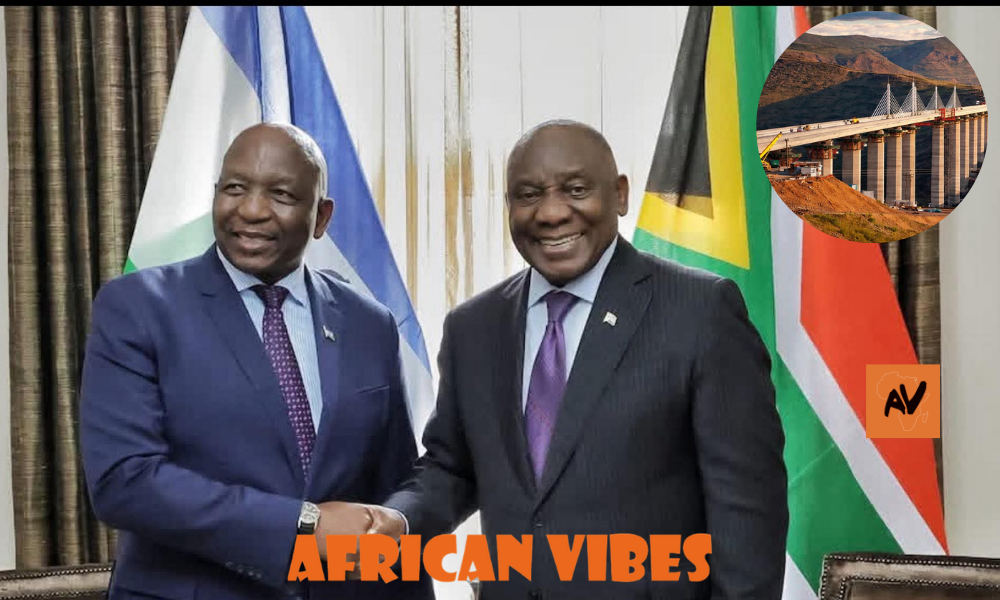
The misty peaks of Mokhotlong, often hailed as the “Roof of Africa,” served as the majestic backdrop for a ceremony that was as much about brotherhood as it was about steel and concrete. On April 22, 2026, President Cyril Ramaphosa, King Letsie III, and Prime Minister Samuel Matekane stood side-by-side to officially inaugurate the Senqu Bridge.
This wasn’t just a ribbon-cutting; it was a celebration of regional integration and a testament to what happens when African nations choose collaboration over competition. As the first extradosed bridge in Lesotho, the Senqu Bridge stands as a soaring symbol of the Lesotho Highlands Water Project (LHWP) Phase II, ensuring that while the waters of the future Polihali Dam rise, the connection between people remains unbreakable.
ALSO READ: African Union Agenda 2063: A Promising Trajectory For Africa
A Legacy of Flowing Partnership
To understand the weight of the Senqu Bridge, one must look back to the 1986 LHWP Treaty. For decades, this partnership has been the lifeblood of bilateral ties between South Africa and Lesotho. While Phase I gave us the iconic Katse and Mohale dams, Phase II is designed to meet the growing thirst of South Africa’s industrial heartland, Gauteng, while lighting up Lesotho with expanded hydropower.
The Senqu Bridge is the largest of three elevated crossings—alongside the Mabunyane and Khubelu bridges—built to replace the old A1 road. As the Polihali Reservoir begins to fill, these structures ensure that the “mountain kingdom” remains accessible, mobile, and open for business.
Engineering Excellence in the Clouds
Spanning a staggering 825 meters and towering 90 meters above the valley floor, the bridge is a masterpiece of modern design. Costing approximately R2.4 billion ($146 million), it utilizes an “extradosed” design—a hybrid of cable-stayed and girder technology—to provide maximum strength with minimal environmental footprint.
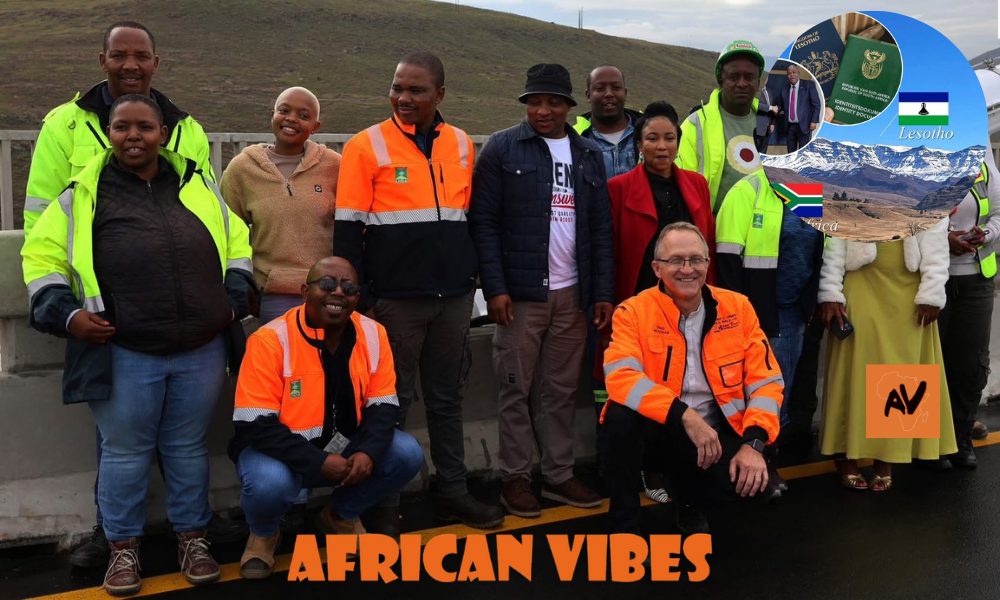
Constructing such a behemoth at high altitude was no small feat. Over 1,200 workers braved the unpredictable Lesotho weather to piece together this puzzle. The result? A durable lifeline that links Mokhotlong to the capital, Maseru, and facilitates smoother trade routes toward the Sani Pass and South Africa’s KwaZulu-Natal province.
Impact: Beyond Water and Power
While the primary goal of the LHWP is water security, the Senqu Bridge is a catalyst for a socio-economic renaissance.
- Job Creation: The project has already generated over 250,000 person-days of employment, injecting life into the local Mokhotlong economy.
- Tourism & Trade: With improved road safety and accessibility, the region is poised to become a hub for high-altitude tourism and fisheries.
- SADC Integration: By strengthening the physical links between Lesotho and South Africa, the bridge serves as a model for transboundary infrastructure across the Southern African Development Community.
ALSO READ: Mnangagwa Defends Zimbabwe’s Land Reform and Sanctions
The Human Element: Balancing Progress and People
True to the AfricanVibes.com spirit, we must acknowledge the compromises that pave the way for such progress. The construction of the Polihali Dam involves the relocation of families and the flooding of ancestral lands. While the bridge offers a path forward, the ongoing dialogue regarding compensation and livelihood restoration remains a critical part of the story. African development is at its best when it is inclusive, ensuring that the communities hosting these “mega projects” are the primary beneficiaries of the prosperity they bring.
A Bridge to Our Shared Future
The Senqu Bridge is more than just an engineering accomplishment; it is a physical manifestation of Pan-African unity. It reminds us that our borders are not barriers, but meeting points. As President Ramaphosa noted during the ceremony, “Our water is shared, our history is shared, and now, our path to the future is more connected than ever.”
As the LHWP Phase II continues toward its 2028 completion, let us look at the Senqu Bridge and see the potential of an Africa that builds together.