Poverty’s Stubborn Grip and Why Nigeria’s Economic Gains Aren’t Reaching the People
The numbers coming out of Abuja lately tell two very different stories. On one hand, the Nigerian music scene is conquering global charts, and the African tech startup ecosystem continues to eye Lagos as its primary heartbeat. On paper, the macroeconomic indicators are finally trending upward. Yet, for the average Nigerian mother in a rural [...]
 Black News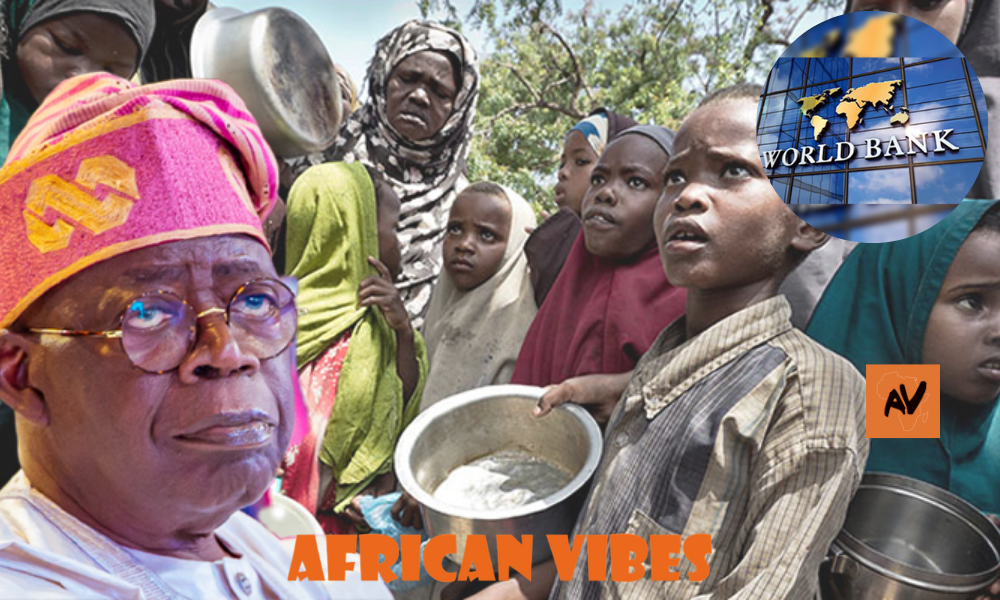
The numbers coming out of Abuja lately tell two very different stories. On one hand, the Nigerian music scene is conquering global charts, and the African tech startup ecosystem continues to eye Lagos as its primary heartbeat. On paper, the macroeconomic indicators are finally trending upward. Yet, for the average Nigerian mother in a rural market or a young graduate in Kano, these “gains” feel like a distant rumor.
According to the latest World Bank Nigeria Development Update (April 2026), the nation’s poverty rate has climbed to a staggering 63%, leaving approximately 140 million people struggling to meet basic needs. This comes at a bittersweet moment: headline inflation has actually slowed significantly from the 30%+ highs of 2024 to roughly 15.3% today.
we celebrate the resilience of the Continent, but we also believe in looking at the honest compromises our leaders make. The question we must ask is: Why is Nigeria’s “jobless boom” leaving so many behind, and what will it take to bridge the gap?
The Current Poverty Landscape: A Tale of Two Nigerias
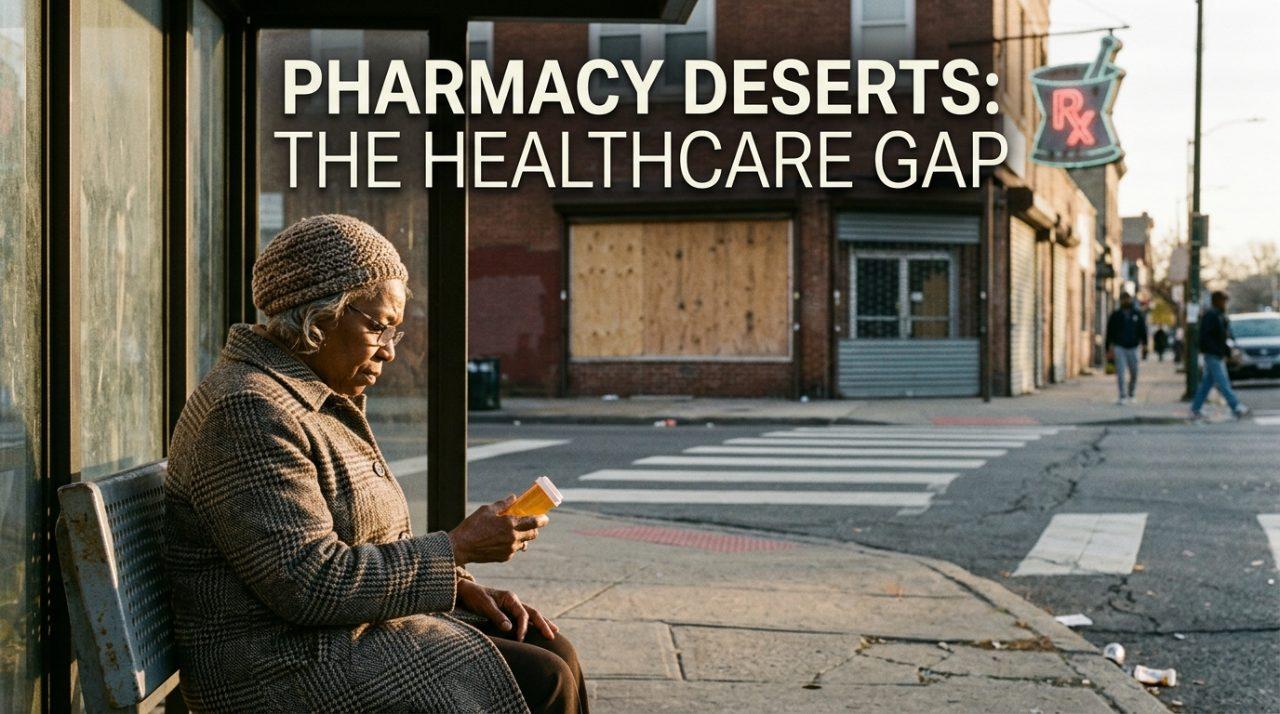
The reality of poverty in Nigeria in 2026 is no longer just about who has a dollar in their pocket; it is multidimensional. It’s about the lack of clean water, the absence of primary healthcare, and children who are not developmentally on track.
- The Urban-Rural Divide: While urban centers like Lagos and Port Harcourt show poverty rates around 42%, rural areas have ballooned to 72%.
- Regional Disparities: The North continues to bear the heaviest burden. In Sokoto State, a heartbreaking 90.5% of the population is classified as multi-dimensionally poor, compared to 27% in Ondo State.
- The 140 Million Figure: This isn’t just a statistic; it represents more than half of the most populous nation in Africa living in a state of constant survival.
ALSO READ: Nigeria Repays IMF Loan 3.4 Bn
Root Causes: Why the Wealth Isn’t Trickling Down
President Bola Tinubu’s administration has been vocal about its “bold reforms,” including the removal of fuel subsidies and the floating of the Naira. While these moves helped boost government revenue by over 400% since 2023, the transition from “survival to growth” has been painful.
- Lagging Agriculture: More than half of Nigeria’s poor are employed in agriculture. However, while the service and tech sectors are booming, the farming sector has remained stagnant due to insecurity and high transport costs.
- Cumulative Inflation Shocks: Even though inflation is “easing,” the prices of staples remain high. After years of hyper-inflation, household savings have been wiped out. A slight dip in the rate of price increases doesn’t mean prices are actually low; it just means they are rising more slowly.
- The Middle East Factor: Global geopolitical tensions in 2026 have kept energy and shipping costs high, adding an “imported” layer of hardship to the local economy.

Government and Global Responses: A Pivot to Human Capital
The World Bank and the Tinubu administration are increasingly in agreement on one thing: Nigeria cannot grow its way out of poverty without investing in its people. The current focus is shifting toward Early Childhood Development (ECD).
Minister of Finance Wale Edun recently emphasized that the current reforms are “durable and self-sustaining.” The government is now pivoting toward targeted social protection programs rather than blanket subsidies. By focusing on nutrition, health, and early learning, the goal is to ensure that the next generation of Nigerians is productive enough to sustain the 4.1% GDP growth projected for 2026.
The Path Forward: Hope Through Structural Change
Despite the grim poverty figures, there is a path to a more equitable Nigeria. To truly align with the African fashion trends of progress and modernization, the economic floor must be raised for everyone:
- Investment in Rural Infrastructure: Connecting farmers to markets via better roads and solar-powered cold storage.
- Youth Empowerment: Moving beyond “surviving” to “thriving” by scaling vocational training that matches the needs of the African tech startups currently hiring.
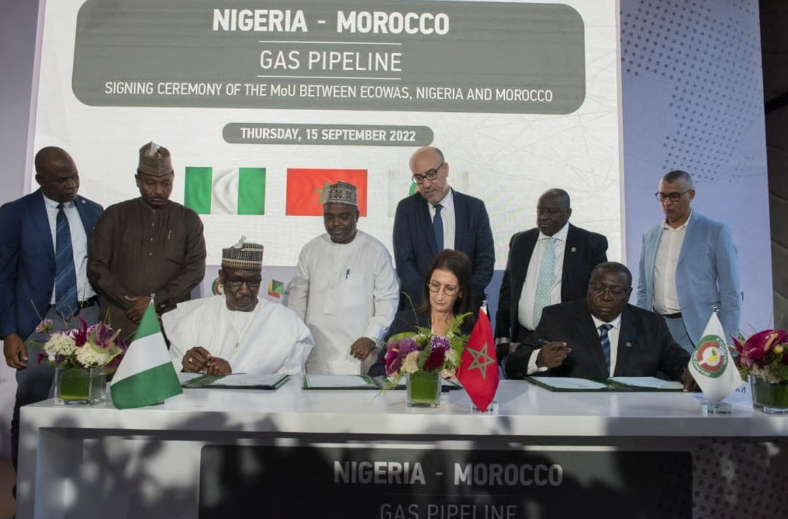
- Regional Cooperation: Leveraging ECOWAS trade agreements to turn Nigeria’s borders into corridors of commerce rather than barriers.
Conclusion: Nigeria’s Tomorrow Starts Today
Nigeria stands at a crossroads. We see a nation with more wealth in its coffers than ever before, yet a population that is increasingly vulnerable. The “stubborn grip” of poverty will only loosen when economic policy stops being about spreadsheets and starts being about people.
The youth bulge in Nigeria is an incredible asset, but without bold moves to improve early education and job creation, it remains a “time bomb.” As we look toward 2028, where the World Bank predicts a drop in poverty to 59%, we must demand that this progress is felt in the markets of Sokoto just as much as the boardrooms of Lagos.
How can we support local initiatives in our home states? Join the conversation on social media and tell us about the grassroots projects making a difference in your community. Let’s highlight the good while holding the powerful accountable.