Egypt moves to turn Suez Canal into Africa’s next logistics powerhouse
Egypt is weighing plans for a major logistics distribution hub along the Suez Canal, a move that could strengthen its grip on one of the world's busiest trade corridors and reshape how goods move between Africa, Asia, Europe, and the Middle East.
 Black News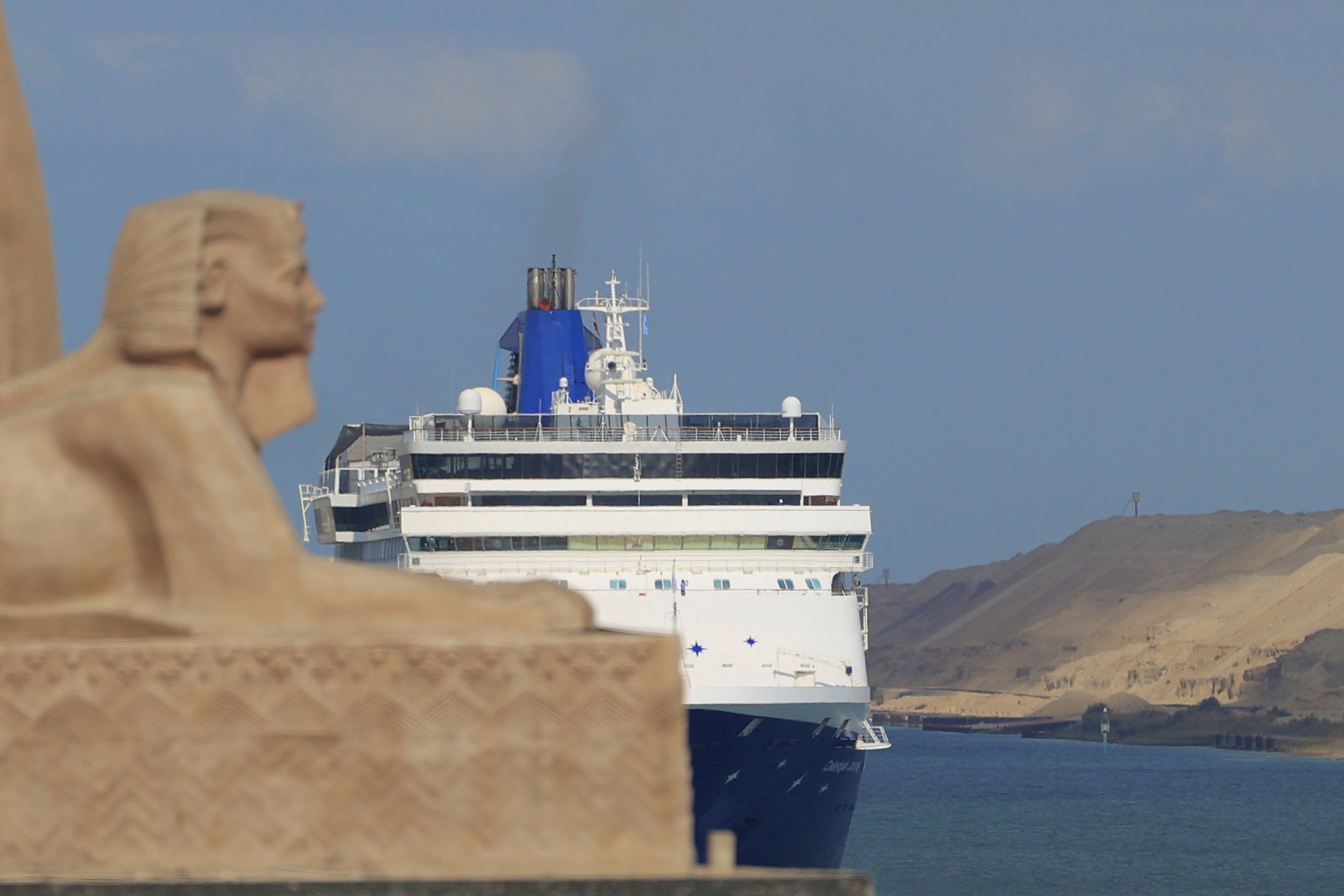
![A Celestyal cruise ship sails through the Suez Canal as commercial vessel traffic continues along the key global maritime route in Ismailia, Egypt, on November 25, 2025. [Photo by Fareed Kotb/Anadolu via Getty Images]](https://ocdn.eu/pulscms/MDA_/b99a7f41dc91b9d7ed732d5899828dd9.jpg)
Egypt is weighing plans for a major logistics distribution hub along the Suez Canal, a move that could strengthen its grip on one of the world's busiest trade corridors and reshape how goods move between Africa, Asia, Europe, and the Middle East.
- Egypt is reviewing proposals to establish a global logistics distribution centre within the Suez Canal Economic Zone.
- The project is designed to attract investment and capture greater value from global trade flows passing through the canal.
- Officials believe the hub could transform the SCZone into a major centre for storage, processing, and re-export operations.
- The initiative could strengthen Egypt's position in Africa's growing competition to become a key logistics and supply chain destination.
The proposal, currently under review by the Egyptian government, would establish a global logistics and redistribution centre within the Suez Canal Economic Zone (SCZone), an area that authorities have spent years positioning as a manufacturing, shipping, and investment destination.
Prime Minister Mostafa Madbouly discussed the project during a high-level meeting in Cairo on Monday, bringing together officials from the Ministry of Investment and Foreign Trade, the SCZone Authority, and the General Authority for Investment and Free Zones.
While the government has not disclosed the identities of the international companies bidding to develop the project, officials indicated that several proposals are being evaluated as Egypt seeks to accelerate implementation.
The initiative comes as countries across Africa and the Middle East compete to capture a larger share of global supply chains amid shifting trade patterns, geopolitical tensions, and growing demand for faster distribution networks.
According to a statement from the Council of Ministers, Madbouly urged authorities to swiftly conclude negotiations with credible investors and establish a governance framework that would support the project's launch.
Egyptian officials believe the proposed hub could transform the Suez Canal Economic Zone from a transit point into a strategic redistribution centre where goods are stored, processed, handled, and re-exported to regional and international markets.
The project builds on years of investment in ports, logistics infrastructure, industrial zones, and transport links around the canal, which handles a significant share of global maritime trade.
Authorities argue that expanding logistics services around the waterway could help Egypt capture more value from the millions of tonnes of cargo that pass through the corridor each year rather than relying primarily on canal transit fees.
If approved, the distribution centre is expected to support port operations, strengthen supply chains, attract foreign investment, and generate additional foreign exchange earnings through storage, handling, and re-export activities.
For Africa, the project could further elevate Egypt's role as a gateway connecting the continent to key markets in Europe, Asia, and the Gulf, while intensifying competition among emerging logistics hubs seeking to benefit from the ongoing reconfiguration of global trade.