Elon Musk told to ‘move on’ from South Africa as Starlink faces resistance in Namibia
Tensions between Elon Musk and South African authorities have escalated sharply, as regulatory hurdles continue to stall Starlink’s expansion across Southern Africa.
 Black News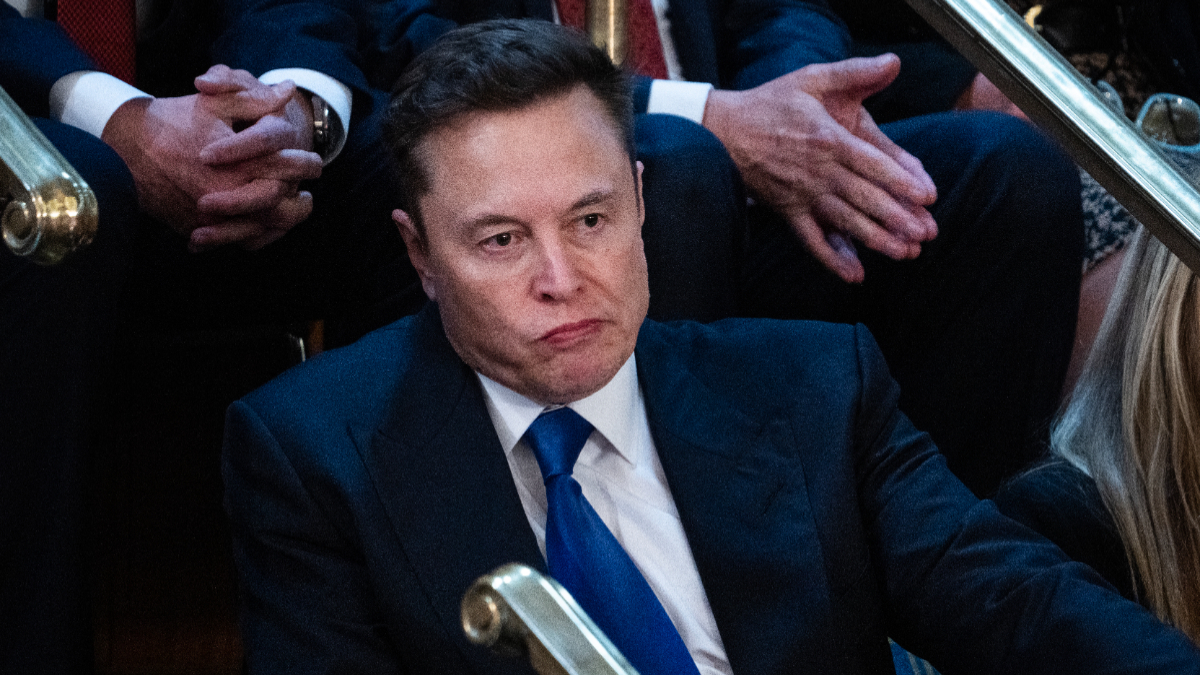


![Tesla and SpaceX CEO Elon Musk faces mounting regulatory resistance in Southern Africa as Starlink’s expansion stalls over local ownership requirements in South Africa and Namibia. [Tom Williams/CQ-Roll Call, Inc via Getty Images]](https://ocdn.eu/pulscms/MDA_/7ee59e116281fefdc46d0d647c301cc7.jpg)
Tensions between Elon Musk and South African authorities have escalated sharply, as regulatory hurdles continue to stall Starlink’s expansion across Southern Africa.
- Elon Musk’s clash with South African officials has intensified following a public dispute over regulatory compliance.
- Authorities insist that Starlink must meet local ownership requirements before securing a license.
- Namibia has mirrored South Africa’s stance, rejecting the company’s application on similar grounds.
- Despite the setback, consumer demand for Starlink remains strong across the region.
The dispute erupted after Clayson Monyela, head of public diplomacy at South Africa’s Department of International Relations and Cooperation, highlighted that more than 600 US companies are successfully operating in the country by complying with local legislation. Musk responded with an expletive-laden post on X, drawing swift backlash from government officials.
Presidential spokesperson Vincent Magwenya delivered a pointed rebuttal, signalling that Pretoria is unwilling to bend its regulatory framework to accommodate the billionaire’s satellite internet venture.
“There are currently 193 member states in the United Nations. Surely, there’s good money to be made out of 192 markets. It’s okay to move on,” Magwenya said, in what analysts interpret as a clear message that Starlink must either comply or look elsewhere.
At the centre of the impasse is South Africa’s Black Economic Empowerment policy, enforced by the Independent Communications Authority of South Africa, which requires telecom licensees to allocate at least 30 per cent equity to historically disadvantaged groups.
Musk has resisted the requirement, arguing that such conditions amount to discrimination and undermine Starlink’s global operating model, which avoids local equity dilution.
The standoff reflects broader tensions between multinational tech firms and African governments seeking to balance foreign investment with domestic inclusion policies. While Starlink’s high-speed satellite internet has been hailed as transformative for underserved regions, its rigid ownership structure has proven incompatible with local regulatory expectations.
Starlink faces resistance in Namibia
The friction is not limited to South Africa; neighboring Namibia's Communications Regulatory Authority rejected Starlink’s license application in March 2026, citing failure to meet a 51 percent local ownership threshold.
The decision mirrors Pretoria’s stance and underscores a growing regional consensus on prioritising local participation in critical infrastructure sectors.
Despite the regulatory deadlock, demand for Starlink remains strong. Some South African consumers have resorted to importing kits independently and subscribing via global roaming plans, often at significantly higher costs.
For now, Musk’s ambitions in Southern Africa appear constrained by policy realities, as governments signal that market access will depend on alignment with local economic transformation goals rather than the influence of global tech capital.