
End the genocidal blockade on Cuba!: an interview with Cuba Si, Bloqueo No! organizer Brenda Lopez
To be against Cuba is to be against humanity. Time and time again Cuba has offered support wherever it is needed most. They have even offered medical aid to the United States because, for them, people and lives come before politics and ideologies. The post End the genocidal blockade on Cuba!: an interview with Cuba Si, Bloqueo No! organizer Brenda Lopez appeared first on San Francisco Bay View.
 Black News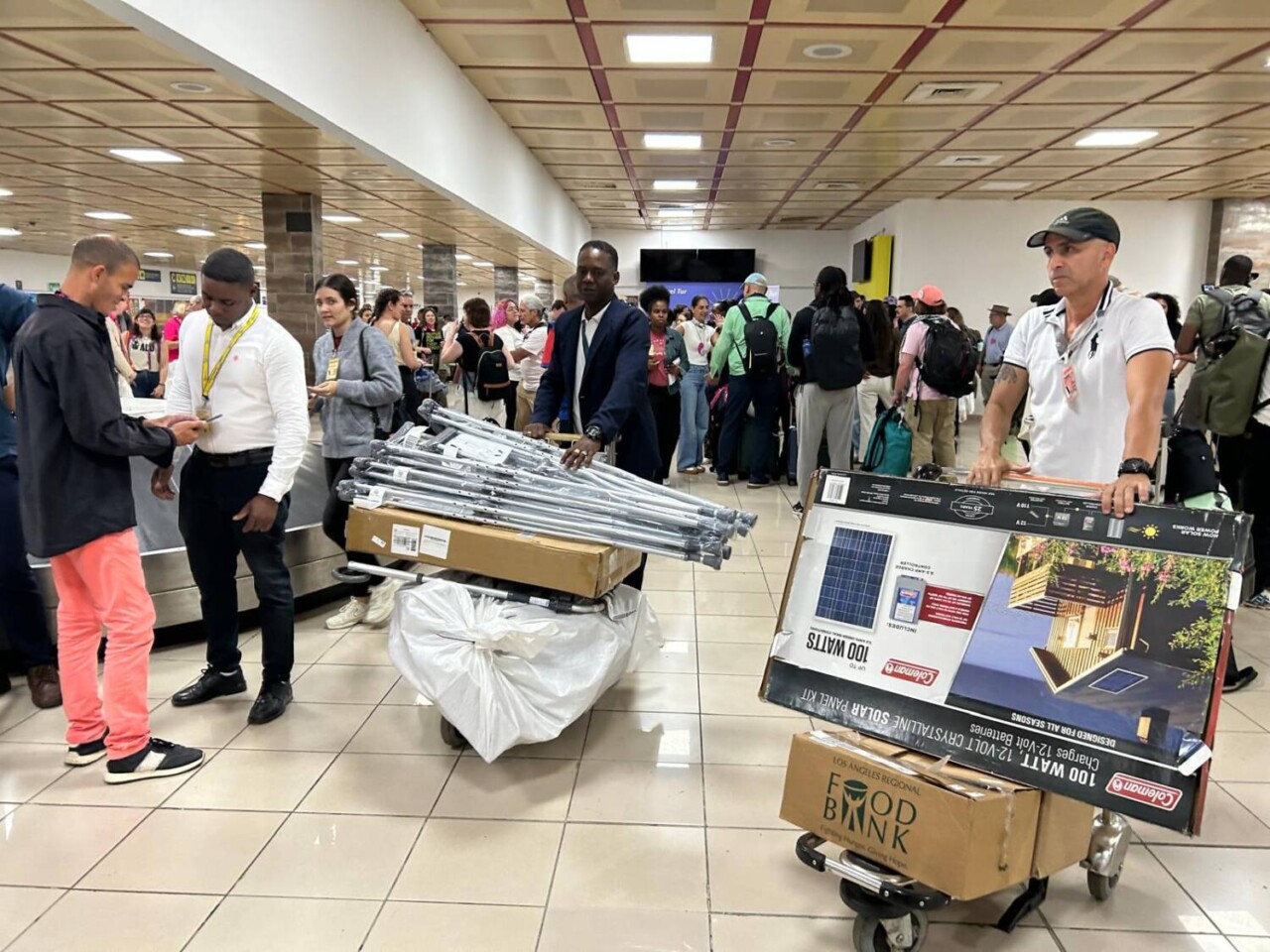


by JR Valrey, The People’s Minister of Information
Hundreds of supporters of the Cuban Revolution arrived in Cuba in March, as part of the Nuestra America Convoy, whose goal was to show solidarity with Cuba’s right to self-determination amidst a complete oil blockade and 67-year general blockade sponsored by the US government, operating with US taxpayers’ money.
Because Cuba refuses to bow to the Monroe Doctrine, aka the US government’s imperial project, US sanctions have sentenced the island to a slow genocide, which is playing out in real time currently with Cubans encountering on a daily basis: food shortages, blackouts that last for days and that have led to patients dependent on ventilators dying in hospitals, epidemics of diseases spread by mosquitos and more.
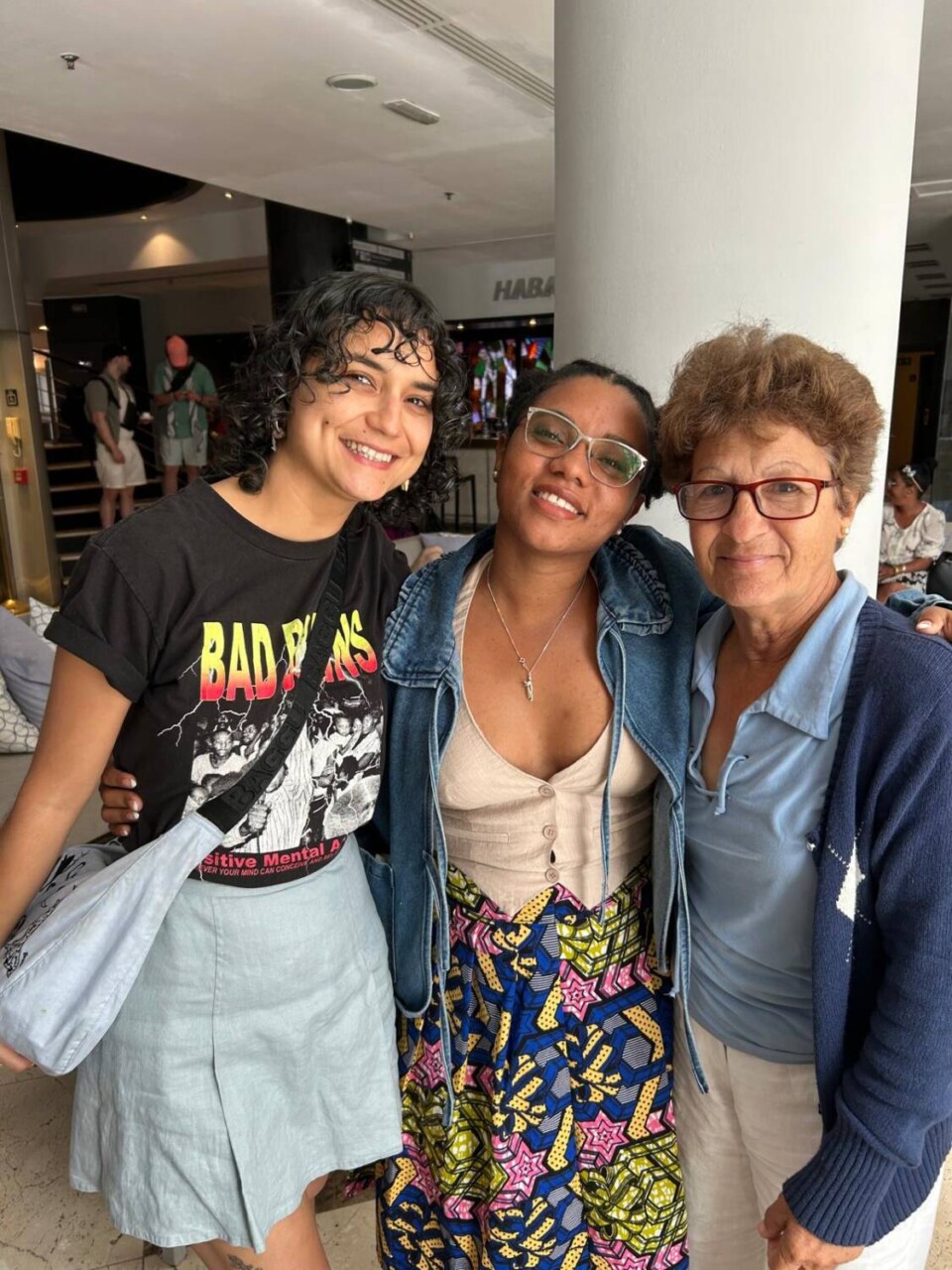
Longtime organizer Brenda Lopez of Cuba Si, Bloqueo No! recently returned, and is reporting back on how critical it is for people in the US to fight to end the blockades against Cuba, since our taxes are fueling this genocide.
JR Valrey: You recently were part of a delegation that went to Cuba. What was your mission?
Brenda Lopez: March 20th I headed from Miami to Cuba with the CODEPINK delegation as part of the Nuestra America Convoy, a global coordinated mission delivering humanitarian supplies for homes, hospitals, schools and families in need. This act was an act of solidarity but also an act of defiance against the cruel blockade that the US has upheld for 67 years and that is now being escalated with Trump’s most recent oil blockade starting in January of this year. So together, we broke the siege, saved lives, and stood up for the cause of Cuban self-determination.
JR Valrey: Now that we are four months into the US government’s criminal oil blockade and 67 years since the beginning of the general blockade, what did you see people lacking?
Brenda Lopez: The Cuban people and government are lacking sovereignty above all. Without that, they do not have access to the world market like the rest of the world does, limiting their buying autonomy. Now with the oil blockade it adds a whole other layer of obstacles of people not being able to go to work, get to appointments, access basic needs. People are out of power for hours, since, unfortunately, Cuba’s power grid is still heavily reliant on oil. Without power, water pumps don’t work, so that also means no water for hours and sometimes days. One million Cubans rely on water transportation, severely affected by the lack of diesel.
JR Valrey: What was the general sentiment of the Cubans that you encountered?
Brenda Lopez: “Esta duro pero ya estamos acostumbrados,” which translates to “It’s hard but we’re used to this.” That is the indomitable Cuban spirit – dignified, creative and resilient. Some of the folks shared that on days when there is no electricity, they set up a wood fire and a big pot so they can make sure their whole neighborhood eats. Others told me how even in the dark they can hear joy happening: people singing in the dark in the distance, kids still playing outside in the dark; and they remember that despite the darkness and scarcity, life continues.
JR Valrey: Under the US imposed blockade, what is the condition of the world renowned Cuban healthcare system?
Brenda Lopez: They have continuously faced the obstacle of accessing material stuff like medications and equipment and now this is exacerbated. Ambulances are struggling to find fuel to respond to emergencies. Persistent outages have plagued deteriorating hospitals, more than 96,000 surgeries are pending, and thousands of babies have not been vaccinated.
Something we heard from multiple doctors was that without power doctors are having to manually do a lot of things to keep patients alive, like manually pumping air to patients that are on ventilators that stop working with no power and no oil in the back-up generators. The oil blockade has severely impacted neonatal hospitals in Cuba, as well, leading to increased infant mortality rates. Hospitals are struggling to operate due to limited electricity and resources, resulting in preventable deaths among newborns and other vulnerable populations.
JR Valrey: Can you talk about the food shortages caused by the blockade?
Brenda Lopez: There is food but access to it is limited since the prices are very high compared to the income that Cubans make. This means tourists, like myself, can still access a lot of food and food services, but the regular Cuban is very limited and restrained.
Tourism is a way that Cuba fuels its economy, and since the COVID pandemic Cuba has not been able to go back to its tourism numbers from before. In addition, with the oil blockade it means that Cuba’s airport cannot provide fuel for planes to go back to their original destination, this has also limited tourism from Canada and other countries.
However, the government says it is prioritizing available fuel for essential services like public health and food production. While I was there I was able to walk around a plaza that had a lot of farmers selling directly to the local communities at relatively affordable prices.
JR Valrey: Would you regard the US policy towards Cuba as an act of genocide? Why is that word appropriate?
Brenda Lopez: US sanctions are no longer just crippling the island’s economy, they’re threatening basic human safety. So yes, I would consider this a slow and cruel suffocation of basic human needs that the revolution has had to fight so hard to maintain and the cost of it has at many times meant lives. Sanctions kill, because they block access to essential materials to save lives, like life-saving medications and vitamins.
Another current example is the current chikungunya and dengue epidemic in Cuba. Something as simple as having access to mosquito repellent or medications could have avoided thousands of deaths. So yes, US policy toward Cuba is a cruel and sick act of genocide against the Cuban people and their ideologies.
JR Valrey: What are your thoughts on a number of Latin American and Caribbean governments kicking Cuban doctors out of their countries, due to US government pressure?
Brenda Lopez: I’ve seen that many of their people have protested these actions. They must listen to their people and communities. To be against Cuba is to be against humanity. Moreover, all these countries are part of Latin America, which has suffered greatly from oppression and the exploitation of labor and natural resources by the United States and its corporations for so much of their history. Cuba has time and time again been there to offer support wherever it is needed most. They have even offered medical aid to the United States during environmental crises because, for them, people and lives come before politics and ideologies. So I believe more countries should also center on keeping people alive instead of being afraid of the big bully that is clearly losing its grip.
JR Valrey: What can people do if they want to get involved or donate?
Brenda Lopez: Well, first I want to continue to push for people to go to Cuba to experience and see the cruelty of the blockade and the scarcity it has created for over 60 years. But also so they can feel and experience the strength of the Cuban people, their creativity and resilience that is beyond inspiring. And also to remind folks that it is not illegal to go to Cuba. Going is an act of solidarity. Folks can hit up Not Just Tourists and receive a free medical bag that they can take and make an impact that way as well.
Additionally, there are amazing organizations like Global Health Partners that have continuously organized incredible campaigns to give Cuba medical supplies that they have asked us for. Last year GHP was able to fundraise enough to send over 900 pacemakers to Cuba. This year they are focusing on a year long campaign to give Cuba surgical sutures, necessary for basically any surgical procedures. And they are currently working on launching a neonatal campaign that will cost millions of dollars and go to the heart of the impact of the blockade. People can support all of these life-saving efforts by visiting and donating to ghpartners.org. They are also active on instagram and facebook @ghpartners.
JR Valrey is a veteran journalist who can be heard weekly on Wednesdays on 89.5FM KPOO or KPOO.com from noon to 3 p.m. His work can also be heard on www.blockreportradioworld.com.
The post End the genocidal blockade on Cuba!: an interview with Cuba Si, Bloqueo No! organizer Brenda Lopez appeared first on San Francisco Bay View.







.png)


