Ethiopia to roll out new royalty system for artists
Ethiopia’s Intellectual Property Authority says it has completed preparations to launch a new royalty payment system designed to ensure that artists, musicians, authors and other rights holders receive fair compensation from the use of their work. The planned system will use digital tools to track creative works and calculate payments more accurately, marking what officials […]
 Black News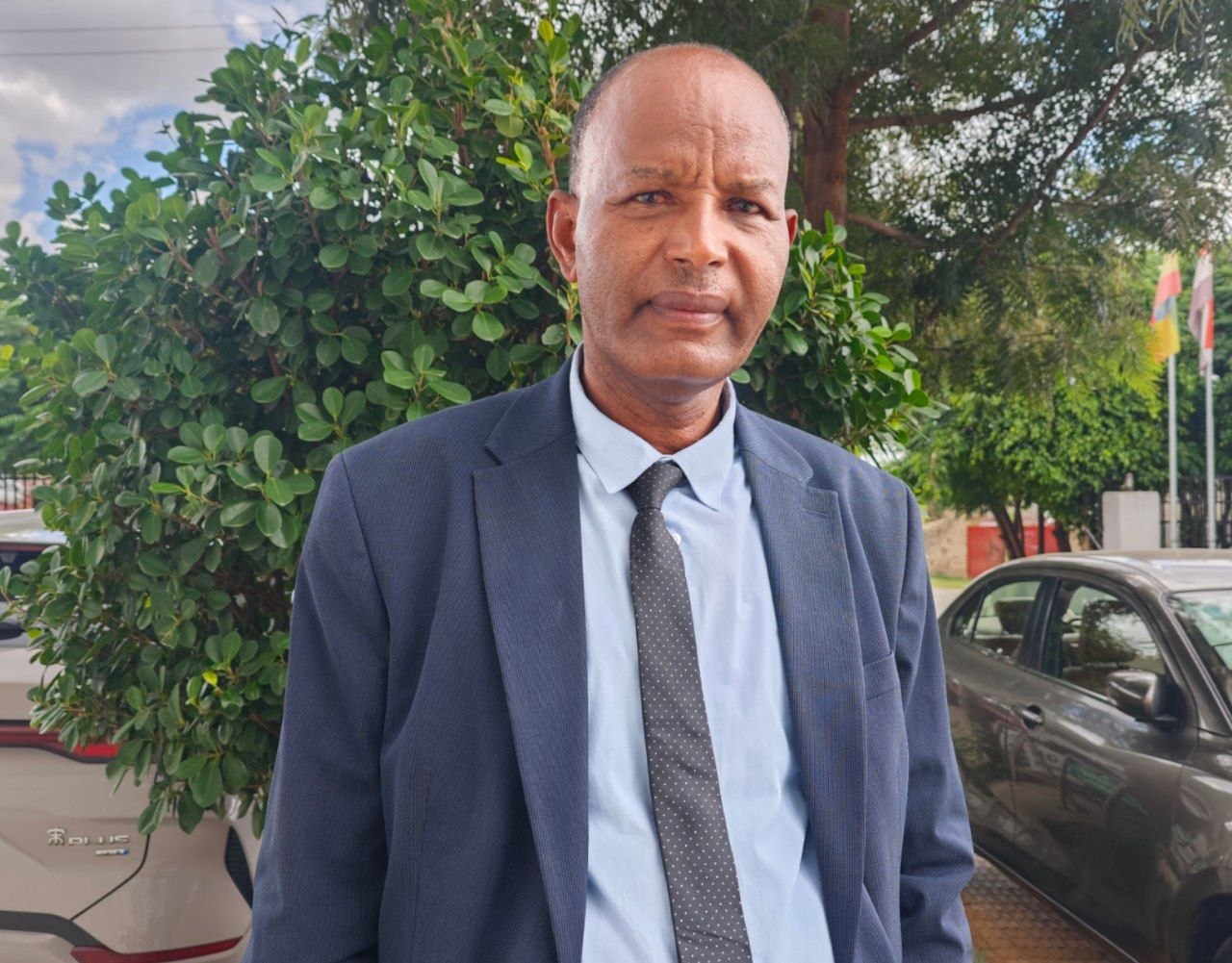
Ethiopia’s Intellectual Property Authority says it has completed preparations to launch a new royalty payment system designed to ensure that artists, musicians, authors and other rights holders receive fair compensation from the use of their work.
The planned system will use digital tools to track creative works and calculate payments more accurately, marking what officials describe as a major step toward modernizing intellectual property administration in the country. Authorities say the move is intended to strengthen artists’ income while reducing the gaps that have long affected the music and wider creative industries.

Deputy Director General Endalew Mosisa said the authority has built a system centered on Collective Management Organizations, or CMOs, which are meant to represent creators and manage royalty collection on their behalf. He said the technical infrastructure, including the digitization of professional records and automation of distribution, has already been completed.
He added that the authority is now in the final consultation stage with users of creative works, including media outlets and entertainment venues, before the system officially goes live. Ethiopia’s copyright framework has existed for years, but implementation has remained weak. The Copyright and Neighboring Rights Protection Proclamation No. 410/2004 laid the legal foundation, yet artists have long complained that compensation has been difficult to secure in practice.
Efforts by musicians, including the late composer and guitarist Elias Melka, helped push the system toward the establishment of a collective management body in 2019. Two organizations are now legally recognized and licensed to operate under the authority, including the Copyright and Neighboring Rights Collective Management. These groups are expected to act as a bridge between creators and users of creative works, helping collect and distribute royalties more systematically.

The government is also preparing to approve a broader policy to formalize the cinema and creative industries. Officials say the policy is expected to protect artists’ rights, resolve copyright disputes and respond to changes driven by technology. State Minister for Culture and Sports Nebiyu Baye has said the proposed policy will help address long-standing challenges in the sector while allowing the government to better benefit from the economic value generated by creative industries.
Industry observers say a reliable royalty system could bring greater financial stability to veteran artists while encouraging younger talent to pursue careers in the arts. They note that Ethiopia’s creative economy, which includes film, music, fashion, digital art and cultural festivals, already supports significant employment and could generate even more opportunities for young people and women.