Fate of Africa’s last colony hangs as UK delays Chagos Islands handover to Mauritius
The UK has put on hold its plan to return the Chagos Islands to Mauritius after opposition from U.S. President Donald Trump blocked progress on the agreement, in a setback for one of Africa’s most prominent decolonisation claims.
 Black News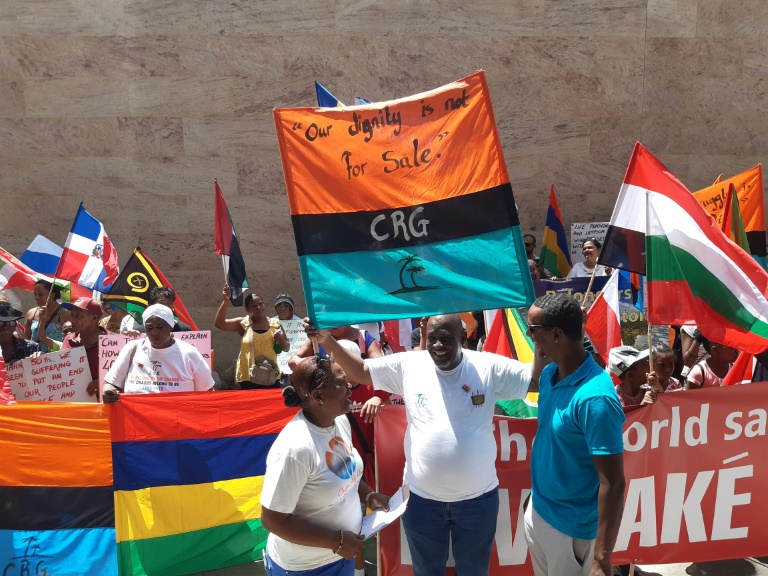
The UK has put on hold its plan to return the Chagos Islands to Mauritius after opposition from U.S. President Donald Trump blocked progress on the agreement, in a setback for one of Africa’s most prominent decolonisation claims.
- The UK has paused plans to hand the Chagos Islands to Mauritius after losing U.S. backing.
- Donald Trump criticised the deal, calling it a strategic mistake.
- The islands host a key UK-U.S. military base on Diego Garcia.
- Mauritius says it will continue pushing for “decolonisation” through legal means.
The British government confirmed that it would not pass the required legislation before the current parliamentary session ends, effectively freezing the deal agreed after years of negotiations with Mauritius.
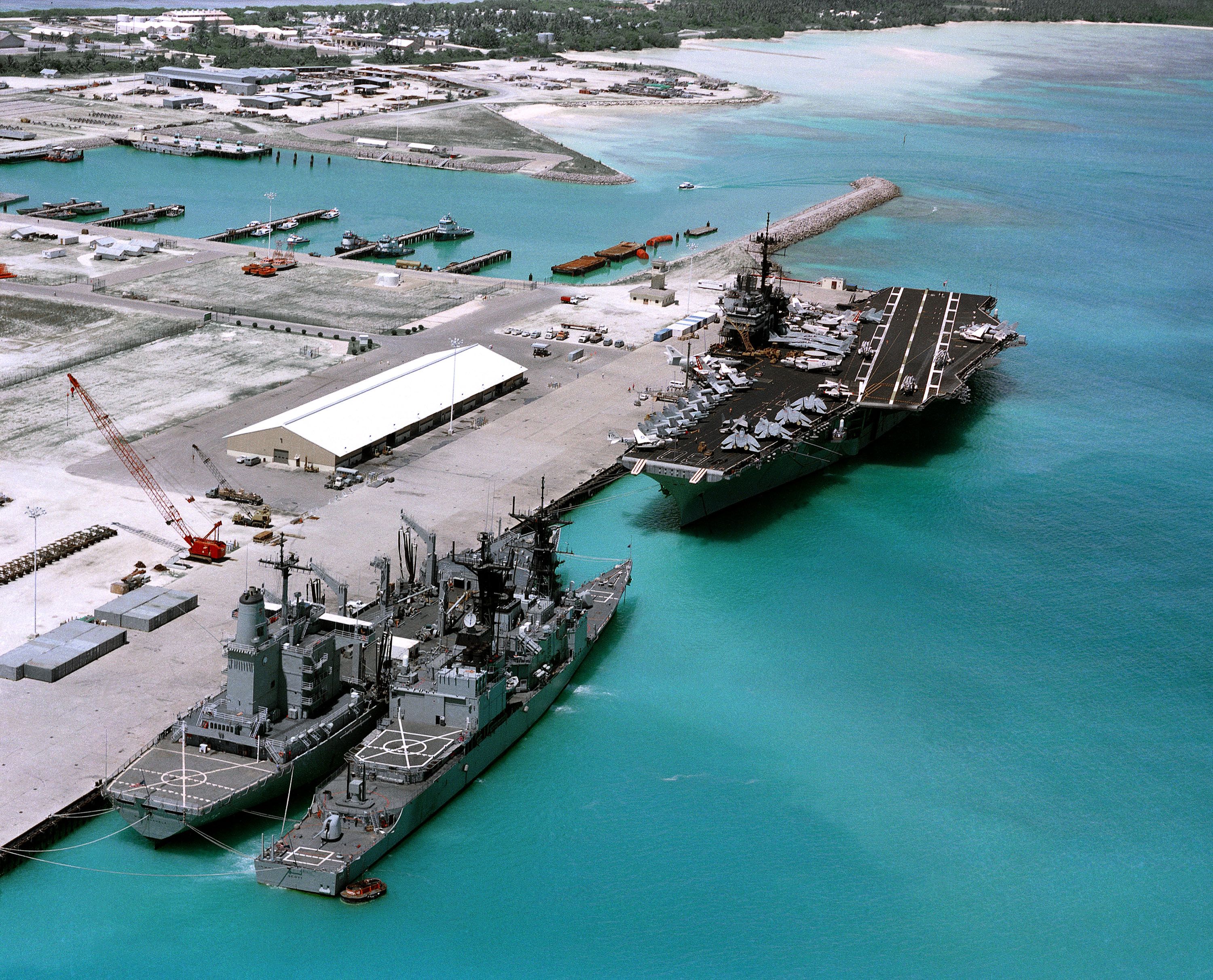
The plan would have transferred sovereignty of the Indian Ocean archipelago to Mauritius while allowing the UK and the United States to retain control of the Diego Garcia military base under a long-term lease.
London had argued the arrangement would secure the future of the base while resolving a long-running colonial dispute. But the deal depended on formal U.S. approval, which has faltered under Trump.
“We continue to believe the agreement is the best way to protect the long-term future of the base, but we have always said we would only proceed with the deal if it has U.S. support,” the British government said.
US shift derails agreement
Trump, who initially appeared to support the deal, later reversed his position, calling it “an act of great stupidity” and warning it could embolden rivals such as China and Russia.
According to the BBC, former top UK civil servant Simon McDonald said Washington’s stance left the UK with little room to proceed.
“When the president of the United States is openly hostile, the government has to rethink… this agreement will go into the deep freeze for the time being,” he said.
The development shows widening strains in UK-U.S. relations, which have come under pressure from disagreements over NATO commitments and recent military actions linked to Iran.
Africa’s decolonisation push hits a hurdle
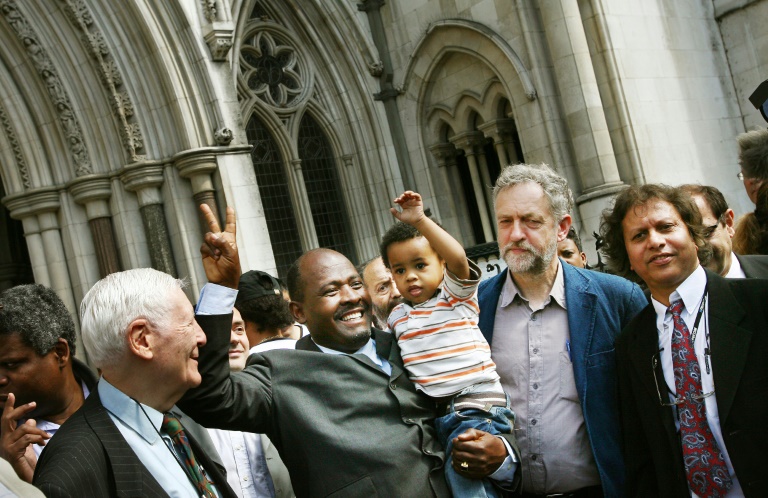
For Mauritius, the pause is a significant setback in its decades-long campaign to reclaim the islands, which it says were unlawfully separated before independence in 1968.
In 2019, the International Court of Justice ruled that Britain’s continued control of the Chagos Islands was illegal and called for their return. The United Nations has also backed Mauritius’ position, framing the issue as unfinished decolonisation.
Mauritian Foreign Minister Dhananjay Ramful said the country would continue to pursue the matter.
“We will spare no effort to seize any diplomatic or legal avenue to complete the decolonisation process,” he said.
Strategic base complicates sovereignty
At the centre of the dispute is Diego Garcia, one of the most important Western military bases in the Indian Ocean. It has supported U.S. operations from the Cold War to conflicts in the Middle East and remains critical to Washington’s global military reach.
British officials have argued that the proposed deal would protect the base from legal uncertainty as pressure mounts internationally over the islands’ status.
But critics in the UK and the U.S. have warned that transferring sovereignty could expose the territory to geopolitical risks, including potential influence from China.
Chagossians still without resolution
The dispute also continues to affect the indigenous Chagossian community, which was forcibly removed from the islands in the 1960s and 1970s to make way for the military base.
Many remain in exile across the UK, Mauritius and the Seychelles, with some opposing the deal over concerns they were not adequately consulted.
A Chagossian advocacy group welcomed the pause, saying the process had overlooked the people most affected.
British officials say the agreement could still be revived if U.S. support is restored, but it is unlikely to feature in the next legislative agenda.
For now, the delay highlights how great power politics continue to shape the outcome of colonial-era disputes, even as African states push for resolution through international law.