From Reentry to Legacy: Dr. Topeka K. Sam’s Vision for Black Women and Freedom
Written by: Tracey Khan Eleven years after returning home from federal prison, Dr. Topeka K. Sam is turning a deeply personal journey into a broader movement for freedom, opportunity and ownership. Through The Ladies of Hope Ministries, the organization she founded, Dr. Sam is helping formerly incarcerated Black women move beyond reentry and toward lives…
 Black News

Written by: Tracey Khan
Eleven years after returning home from federal prison, Dr. Topeka K. Sam is turning a deeply personal journey into a broader movement for freedom, opportunity and ownership. Through The Ladies of Hope Ministries, the organization she founded, Dr. Sam is helping formerly incarcerated Black women move beyond reentry and toward lives defined by stability, economic opportunity and generational wealth.
Her work addresses some of the most pressing challenges women face after incarceration, including housing, health care, entrepreneurship, financial resources and access to capital. But for her, the work has never been only about helping women come home. It is about making sure they have the tools to build what comes next.
“At my core, I am a child of Most High God,” Sam says.
She also describes herself as a wife, daughter, sister, aunt and friend, as well as an innovator, social justice entrepreneur and advocate for women and girls. Those identities, she believes, tell a more complete story than the label attached to one chapter of her life.

After returning home, she made a decision to speak openly about incarceration rather than allow shame, guilt or fear to define her story. That vulnerability became a bridge to other women navigating reentry, many of whom returned home without the guidance, relationships or resources necessary to begin again. She describes her approach as “seeding.”
“There’s not a woman since 2015 that has come home from prison that I have not seeded, not one,” she says.
For Dr. Sam, seeding means investing in women through mentorship, financial support, relationships, resources and opportunities.
“You need someone to invest in you,” she says.
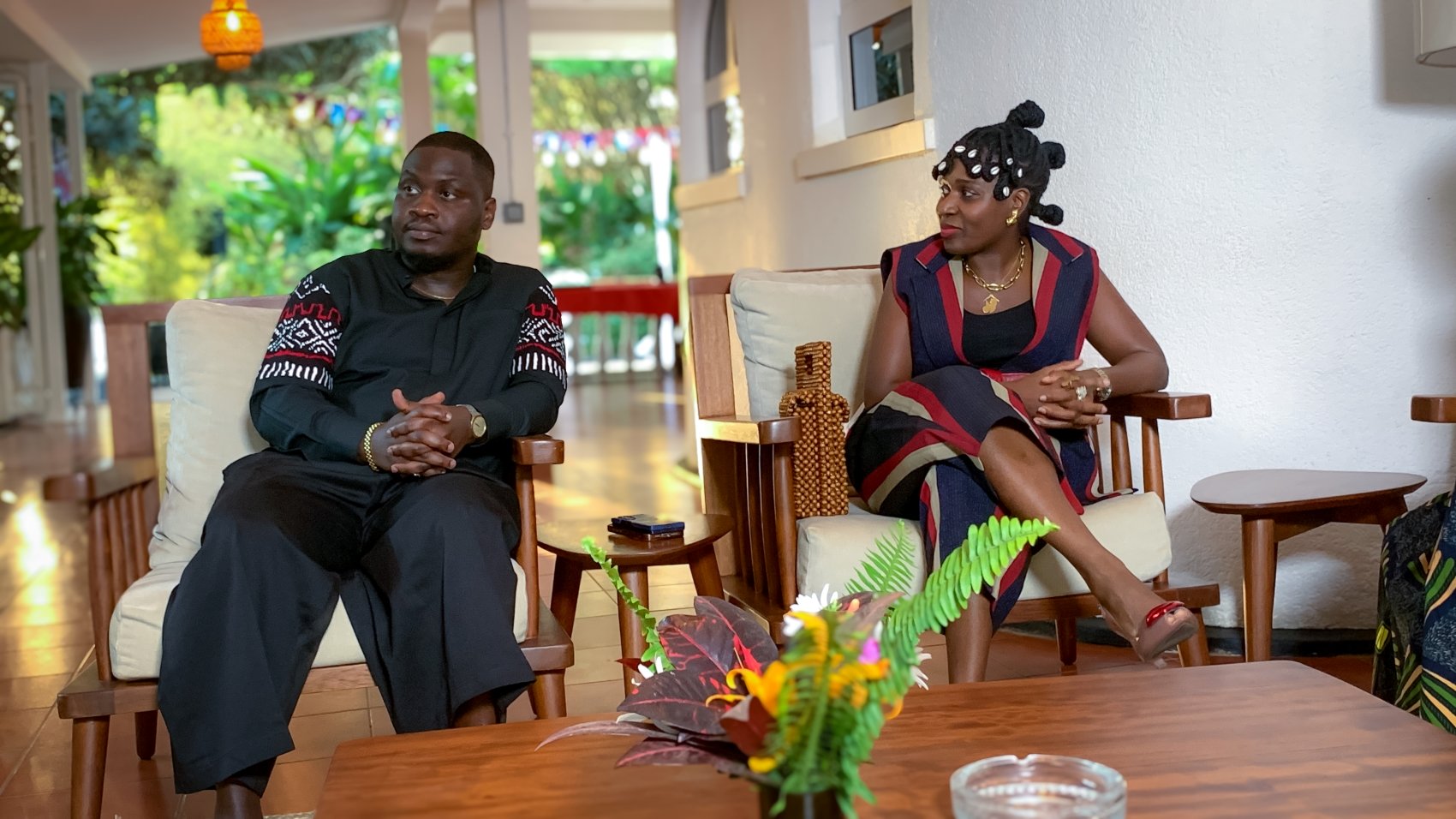
That philosophy also shapes her vision for philanthropy. In a recent episode of Meet Me at the Highland, hosted by The Highland Project founder Gabrielle Wyatt, Dr. Sam discussed how intentional investment can help Black women create lasting wealth. The episode, “Not Just Free From, But Free To,” is part of the podcast’s second season, Seeding, which explores how investing in people and communities can create generational change.
“I can do good and do well,” Sam says.

Her definition of philanthropy goes beyond traditional charity. She believes Black communities have long practiced philanthropy through neighbors helping neighbors, families sharing resources and individuals giving their time, skills and money. Now, she wants to see more investment directed toward Black-led organizations and Black women developing solutions within their own communities.
Housing remains central to that vision. “If I have no place to live or a safe place to live, then how can I even dare to dream?” she asks. For Sam, a home is more than shelter. It is a foundation for education, entrepreneurship, family stability and wealth creation. That is why she wants to help formerly incarcerated Black women move from renting to homeownership and eventually into real estate development.
She also challenges the stereotypes surrounding women who have been incarcerated. Through her work, she has encountered women who are doctors, judges, executives and entrepreneurs, women whose potential cannot be defined by a criminal record.
The next chapter of her work is about ownership: owning a home, building a business, creating wealth and leaving something behind.
“I want to see women owning their own home so they can always be safe,” Sam says. “Their children can always have something.”
For Sam, that is the true measure of freedom. It is not simply freedom from incarceration or the limitations of the past. It is freedom to dream, freedom to build and, ultimately, freedom to create a legacy that extends far beyond one generation.