Ghana bets on its first privately owned $1.98 billion refinery in push to produce 70% of its fuel locally
Ghana is stepping up efforts to transform its downstream petroleum sector, betting on the expansion of its first privately owned Sentuo refinery alongside upgrades to its state-owned refining infrastructure as it seeks to produce 70% of its fuel domestically.
 Black News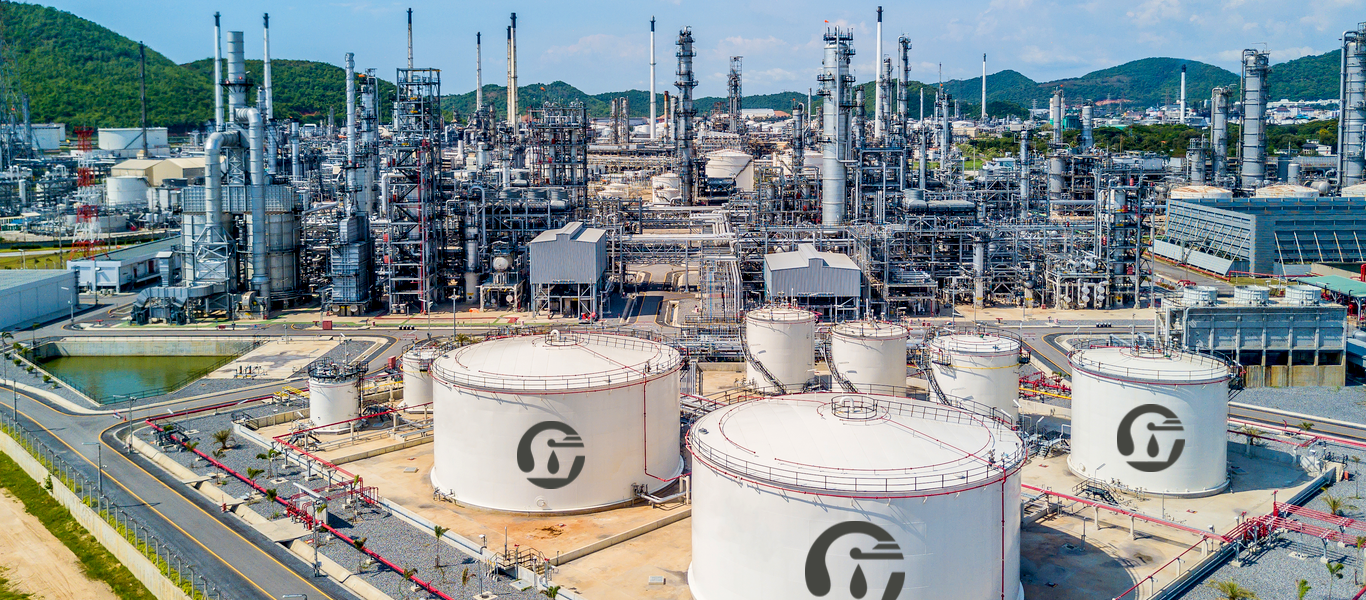

Ghana is stepping up efforts to transform its downstream petroleum sector, betting on the expansion of its first privately owned Sentuo refinery alongside upgrades to its state-owned refining infrastructure as it seeks to produce 70% of its fuel domestically.
- Ghana aims to produce 70% of its fuel domestically by expanding both its privately owned Sentuo Oil Refinery and the state-owned Tema Oil Refinery.
- The Sentuo Oil Refinery, built by a Chinese group, is being expanded from 40,000 to 100,000 barrels per day with significant financial backing.
- Tema Oil Refinery has resumed operations and plans for further expansion, though costs and timeline are yet to be announced.
- Ghana's strategy is to meet domestic fuel demand and potentially support regional trade.
The ambitious target, announced by Minister of Energy and Green Transition John Abdulai Jinapor during the 7th Ghana International Petroleum Conference (GhIPCon 2026) in Accra, marks the country's latest attempt to reduce its dependence on imported refined petroleum products despite being an oil-producing nation since 2010.
"A refinery is much more than an industrial facility. It creates an ecosystem of economic activity by supporting transport and logistics companies, engineering services, local contractors, manufacturers, technology suppliers and thousands of skilled jobs," Jinapor said during the conference.
The minister added that Ghana aims to become "a leading energy and petroleum hub in West Africa."
The strategy centers on two major refinery projects that could significantly reshape Ghana's energy landscape while adding to West Africa's growing refining capacity.
DON'T MISS THIS: Another oil-producing African country set to join Nigeria, Angola and Algeria in refining its own crude
Ghana expands two key refineries
At the heart of Ghana's plans is the Sentuo Oil Refinery, the country's first privately owned refinery.
Built by Chinese group Sentuo at a cost of $1.98 billion, the refinery began operations in January 2024 with an initial processing capacity of 40,000 barrels per day (bpd). The facility is now undergoing a major expansion backed by a $200 million loan coordinated by Ecobank Ghana, which will raise its capacity to 100,000 bpd.
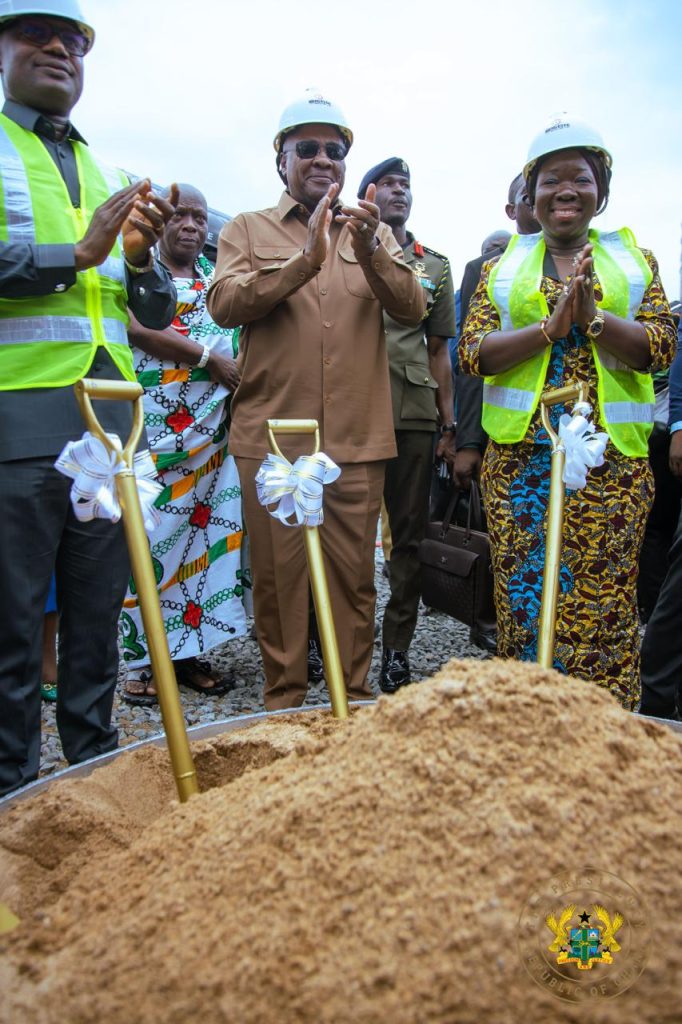
Alongside Sentuo, the government is also planning to expand the Tema Oil Refinery (TOR), Ghana's historic state-owned refinery.
Tema resumed operations in December 2025 after years of inactivity and is currently processing about 28,000 bpd, below its installed capacity of 45,000 bpd. While the government has confirmed plans to expand the refinery, it has yet to announce the project's cost or implementation timeline.
DON'T MISS THIS: Ghana receives first Angolan crude via Greek tanker for new refinery
To ensure the refineries have sufficient feedstock, Ghana has allocated one million barrels of crude oil from the Jubilee oil field for domestic refining, with future allocations expected to prioritize the Tema Oil Refinery.
Combined, the expansion of Sentuo and Tema would substantially increase Ghana's ability to process crude domestically, reducing reliance on imported fuels while strengthening energy security.
A regional refining race
Ghana's latest push comes as several West African countries accelerate investments in refining capacity in an effort to capture more value from their crude oil production and reduce dependence on imported petroleum products.
Nigeria has emerged as the region's refining powerhouse following the commissioning and subsequent expansion of the Dangote Refinery, which now has a refining capacity of about 700,000 barrels per day (bpd).
The facility has significantly reduced Nigeria's reliance on imported petrol while increasing exports of refined petroleum products to neighboring African countries.
Beyond the Dangote Refinery, Nigeria is also seeking to revive its state-owned refining sector.
In May, the Nigerian National Petroleum Company (NNPC) signed a partnership framework with two Chinese firms to complete outstanding rehabilitation work, restart and expand the Port Harcourt and Warri refineries, underscoring the country's broader ambition to strengthen domestic refining capacity.
For Ghana, the strategy is different. Rather than competing directly with Nigeria's scale, it is focused on building enough domestic refining capacity to satisfy most of its own fuel demand while creating room for future regional trade.
DON'T MISS THIS: Ghana’s Tema refinery plans major upgrade, capacity set to reach 45,000 bpd
The combined expansion of Tema and Sentuo could also strengthen competition within West Africa's downstream petroleum market, giving buyers more supply options and reducing the region's historical dependence on fuel imports from Europe, the Middle East and Asia.
Greater refining capacity across West Africa could improve fuel security, lower transportation costs, reduce exposure to global supply disruptions and encourage more intra-African trade under the African Continental Free Trade Area (AfCFTA).
While Nigeria is expected to remain the region's dominant exporter of refined petroleum products for the foreseeable future, Ghana's investments signal that other West African producers are increasingly pursuing domestic refining as a strategic priority.
If Ghana achieves its goal of producing 70% of its fuel locally, it would represent one of the country's biggest downstream energy milestones in decades and further strengthen West Africa's position as an emerging refining hub on the continent.