How Digital Tools Are Transforming Women-Led MSMEs into Growth-Ready Businesses in Mbale
Across the vibrant markets, trading centres, and growing business communities of Mbale City, women entrepreneurs are increasingly embracing digital tools to strengthen and expand their small businesses, signaling a major shift in how micro, small, and medium enterprises (MSMEs) operate in eastern Uganda. From mobile money transactions and online marketing to digital bookkeeping and customer […] The post How Digital Tools Are Transforming Women-Led MSMEs into Growth-Ready Businesses in Mbale appeared first on Daily Star.
 Black News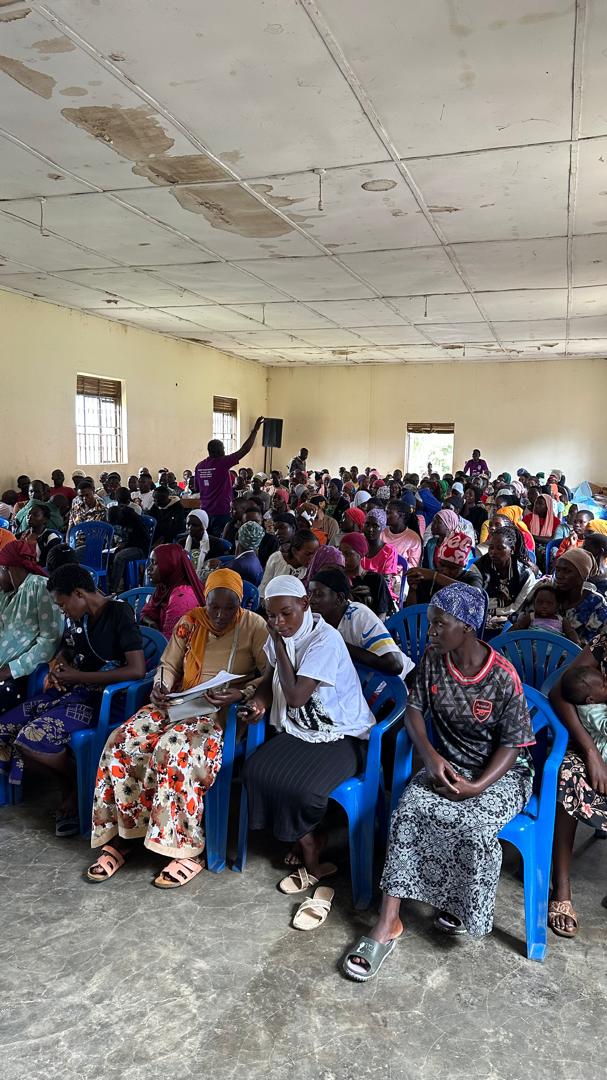
Across the vibrant markets, trading centres, and growing business communities of Mbale City, women entrepreneurs are increasingly embracing digital tools to strengthen and expand their small businesses, signaling a major shift in how micro, small, and medium enterprises (MSMEs) operate in eastern Uganda.
From mobile money transactions and online marketing to digital bookkeeping and customer management, women-led enterprises are using smartphones as practical business tools that improve efficiency, financial management, and access to wider markets. Development experts say this growing digital transformation among women entrepreneurs has the potential to accelerate economic growth and strengthen household incomes across Uganda.
The trend reflects the broader momentum being driven through initiatives such as the “Business Ku Ssimu Yo” campaign, implemented by the United Nations Capital Development Fund together with Outbox Uganda and Mastercard Foundation. The programme seeks to equip young entrepreneurs with digital and financial literacy skills that allow them to run and grow businesses directly from their phones.
In Mbale, many women operating boutiques, salons, produce businesses, restaurants, and small retail shops say digital tools are helping them simplify daily business operations while reducing the challenges associated with informal business management.
Several entrepreneurs explained that mobile applications are helping them record transactions, monitor stock, track profits, and manage customers more effectively compared to traditional handwritten methods. Others said social media platforms such as WhatsApp, Facebook, and TikTok are enabling them to market products to customers beyond Mbale and neighbouring districts.
For many women entrepreneurs, digitalisation is also improving financial confidence and independence. Some noted that using mobile money and digital record systems allows them to track income, expenses, and savings more accurately, reducing financial confusion and unnecessary losses.
Business development experts observe that although smartphone ownership is increasing rapidly among young Ugandans, many small businesses still operate informally with limited financial records and low adoption of digital services. They argue that empowering women entrepreneurs with practical digital skills is critical because women make up a significant portion of Uganda’s MSME sector and play a central role in supporting family livelihoods.
According to development stakeholders, digitally enabled businesses are becoming more resilient and growth-ready because they can adapt quickly to changing market demands while improving customer trust and operational transparency.
Rachael Kentenyingi, said digital inclusion is creating new opportunities for women entrepreneurs to actively participate in Uganda’s economic transformation.
“When women entrepreneurs embrace digital tools, they are not simply improving the way they do business; they are building stronger households, expanding economic opportunities, and contributing directly to community resilience. Digital inclusion is becoming one of the most important pathways for sustainable economic growth, especially for young women operating small businesses in emerging towns like Mbale,” Kentenyingi said.
She added that initiatives such as Business Ku Ssimu Yo are helping bridge the gap between informal businesses and modern financial systems by making digital tools accessible and easier to use for ordinary entrepreneurs, particularly women in underserved communities.
Organisers of digital business training programmes say the focus is increasingly shifting from simply providing access to smartphones toward ensuring entrepreneurs understand how technology can be used strategically for business growth. Trainers continue encouraging women entrepreneurs to view mobile phones not only as communication devices, but also as essential tools for financial planning, customer engagement, and long-term business sustainability.
Economic analysts believe strengthening digital literacy among women-led MSMEs could significantly contribute to job creation, improved household incomes, and local economic resilience in secondary cities such as Mbale. They note that digital records and transaction histories can also help entrepreneurs access formal financial services, including savings products and credit opportunities needed for business expansion.
As digital adoption continues to grow across Uganda, stakeholders argue that expanding affordable internet access and practical digital skills training will be critical in ensuring women entrepreneurs fully benefit from emerging opportunities in the country’s evolving digital economy.
For many women entrepreneurs in Mbale, however, one reality is already becoming clear: digital tools are no longer optional conveniences, but essential instruments for survival, competitiveness, and long-term business growth.
The post How Digital Tools Are Transforming Women-Led MSMEs into Growth-Ready Businesses in Mbale appeared first on Daily Star.