How the AMVCA Is Propelling Nollywood to The World
While I personally do not enjoy how fashion dominates the conversations around the AMVCA, because the AMVCA is about African cinema, it could be an opportunity. What if fashion is the vehicle to propel African cinema to the world? The post How the AMVCA Is Propelling Nollywood to The World appeared first on BellaNaija - Showcasing Africa to the world. Read today!.
 Black News
There was a time when many Nigerians wore distancing themselves from local art like a badge of honour. At the time, not listening to Nigerian music or watching Nigerian films was considered a flex. “I don’t listen to Nigerian music,” they said, as though it were a thing of pride. To many of them, foreign industries had better art. They preferred listening to American or British artists and watching Hollywood films instead of Nigerian creations.
However, that, over time, changed. Nigerians not only became interested in watching Nigerian films and listening to Nigerian music, but they also started actively discussing them on a large scale. There are a lot of factors responsible for this. Nigerians began to yearn for stories that looked like home, sounded like home, and reflected the streets and familiar faces. Also, the industry started to evolve and improve in production quality. Filmmakers began to take their time in refining and telling bolder stories, and the arrival of streaming platforms – YouTube, at an early stage – also helped. Since Nigerian films were no longer limited to home videos, our films became global and available to a worldwide audience. In recent times, films like Lionheart, King of Boys, Aníkúlápó, The Black Book and others have revealed that Nollywood can tell deeply Nigerian stories while speaking to a global audience.
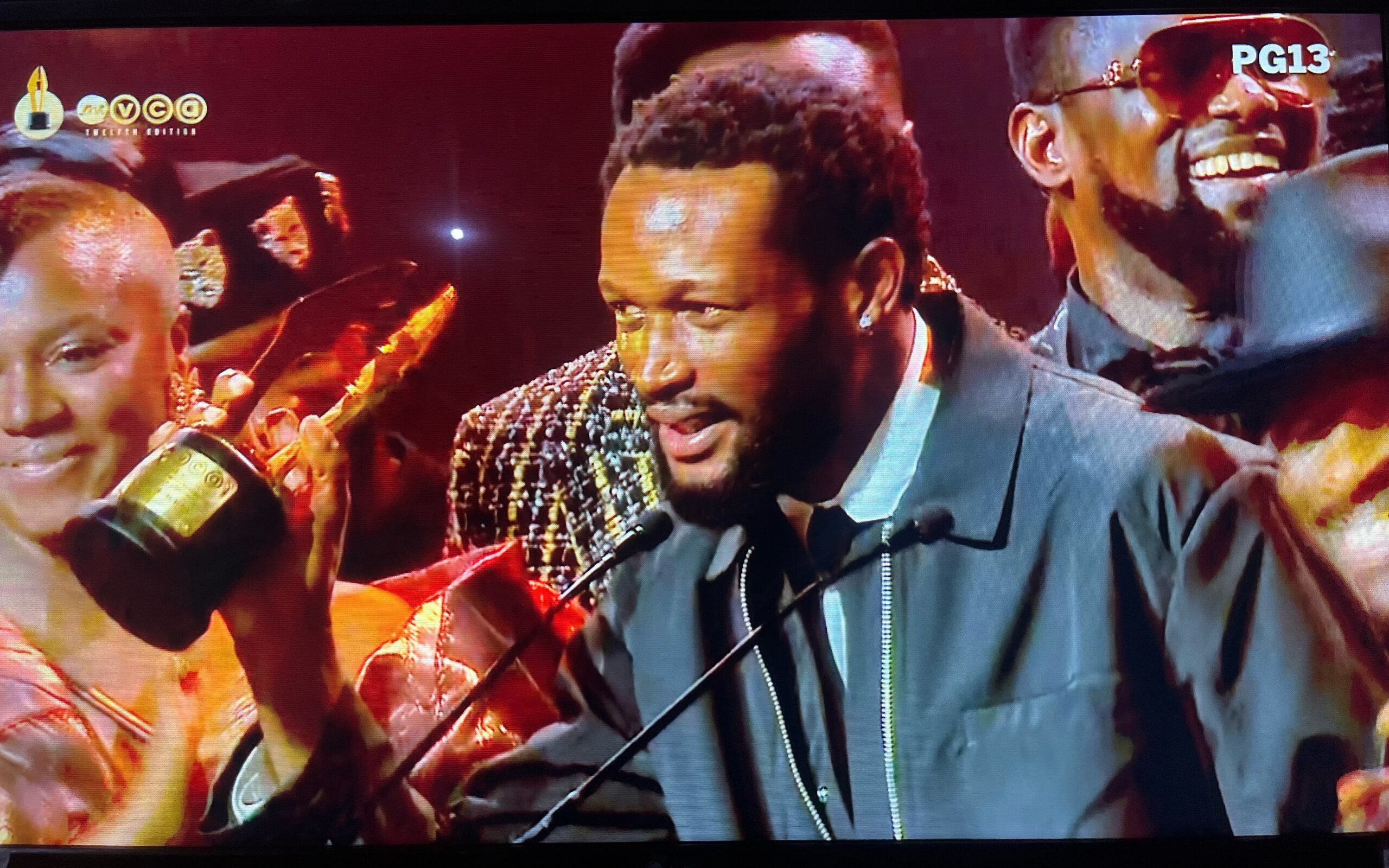
But beyond the evolution of attraction culture and production quality, one of the things that collectively ignites the love for homegrown creativity is a central event that gives people something to look forward to. This is where the Africa Magic Viewers’ Choice Awards (AMVCA) has played an important role. Award shows are often considered just entertainment or fashion exhibitions, but they create ritual, an anticipation. They give people a date to circle on the calendar. They start conversations before the event, during the event and keep them going after it ends.
The AMVCA has become where the excellence of African cinema is publicly recognised. It tells actors, directors, costume designers, editors, and writers that their work matters and reminds audiences that filmmaking is labour and craft. When people have a collective event that celebrates the work of an industry over the years, it gives the people something to always look forward to, talk about and also introduce them to films or creations they might have missed in the cycle of the year.
The AMVCA is a combination of film celebration and fashion celebration. You can’t talk about it without talking about the fashion. In fact, fashion tops most of the conversations at the AMVCA. Each year, celebrities serve as inspiration for African designers on the red carpet, showcasing the vibrant styles of the continent. When these celebrities share their AMVCA outfits on social media, discussions about “who wore what” quickly fill the platforms. This social media buzz attracts the attention of many international viewers, allowing them to engage with the AMVCA through the lens of fashion.
While I personally do not enjoy how fashion dominates the conversations around the AMVCA, because the AMVCA is about African cinema, it could be an opportunity. What if fashion is the vehicle to propel African cinema to the world? What if fashion could be used to make Nollywood compete, in terms of global visibility, with other movie industries in the world? By leaning into the promotion of fashion exhibitions on the red carpet, we aren’t just selling an African style and fashion; we are selling the industry that created the occasion for the fashion exhibitions. In this way, the AMVCA becomes a cultural export.
Nigerians are very interested in watching Nigerian films. What has happened with Nigerian film is bigger than renewed audience interest; it is a cultural return. Nigerians are no longer watching local films out of obligation, nostalgia, or mere curiosity. They are watching because they believe the stories are worth their time. They are discussing them because they now see them as part of the broader cultural conversation. And they are celebrating them because Nollywood has gradually and deservedly earned their attention, and confidence, if you like.
The AMVCA has helped deepen that confidence by giving the industry a recurring moment of celebration and aspiration. In that sense, the question is actually not whether Nigerians are still interested in Nigerian films. They are. The actual question is what Nollywood does with that attention now that it has it. Because what’s the point of the attention if it doesn’t impact the global era for Nigerian cinema?
The post How the AMVCA Is Propelling Nollywood to The World appeared first on BellaNaija - Showcasing Africa to the world. Read today!.