How Trump’s $410 million deportation funding plan turned 13 African nations into destinations for thousands of deportees
The United States has offered or pledged at least $410 million to facilitate agreements allowing migrants deported from America to be sent to third countries, with 13 African nations among those that have agreed to receive people who are not their citizens.
 Black News
The United States has offered or pledged at least $410 million to facilitate agreements allowing migrants deported from America to be sent to third countries, with 13 African nations among those that have agreed to receive people who are not their citizens.
- The US has pledged at least $410 million to help deport migrants to third countries, with agreements involving 13 African nations.
- This policy is part of Trump's expanded immigration enforcement, leading to over 25,000 people being deported to at least 28 third countries.
- Financial commitments and the number of accepted deportees vary by country, with Cameroon, DRC, and Eswatini among those receiving significant US funding.
- Not all funds go directly to governments; much of the money is directed to organizations like the International Organization for Migration and UNHCR.
The arrangements form part of President Donald Trump’s expanded immigration enforcement programme, which has seen Washington negotiate deals with countries willing to accept migrants who cannot, or are not being, returned to their home countries.
An investigation by The Washington Post, based on internal US government records, found that the administration had authorised or pledged at least $410 million for agreements with 31 countries as of June 2026.
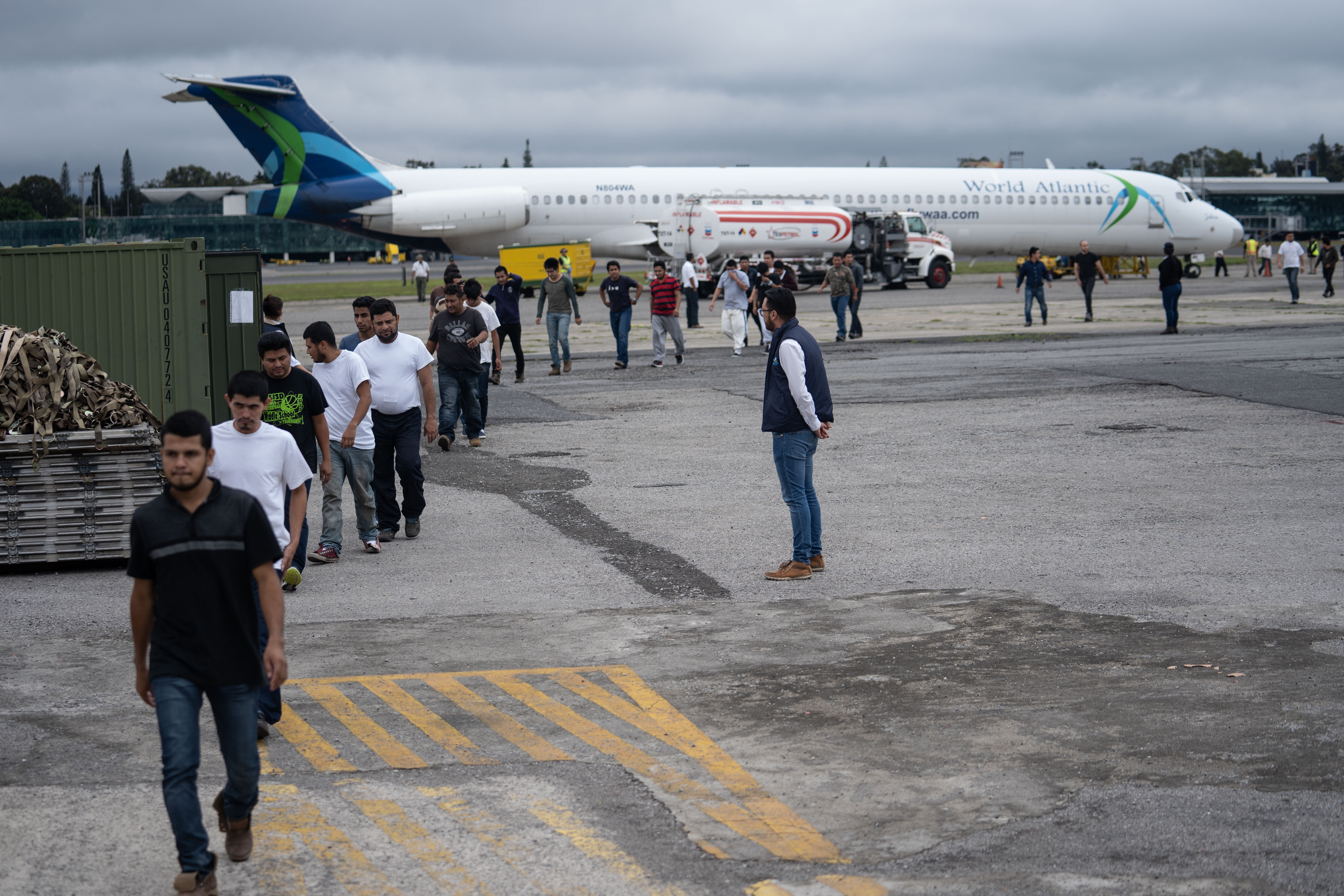
The broader programme had resulted in more than 25,000 people being deported to at least 28 third countries.
DON'T MISS THIS: US court rejects Trump’s fast-track deportation policy used to send migrants to Africa
Africa emerges as a key destination
The US had approached 49 African countries and secured agreements with 13, according to the records reviewed by The Post. Nine other African countries were still in negotiations at the time of the investigation.
The arrangements vary significantly in size and financial commitments.
Cameroon agreed to accept up to 1,000 deportees, with the US pledging $30 million to organisations connected to the arrangement. Thirty-six migrants had been sent there by June.
The Democratic Republic of Congo agreed to receive as many as 2,000 people and had 15 deportees sent there. The US committed $75 million to organisations under the arrangement. Unlike Cameroon, the DRC stipulated that it would not accept African nationals.
In Eswatini, the US agreed to pay the government $5.1 million for a deal allowing up to 150 deportees. Nineteen migrants had been sent there by June, including people from Vietnam, Laos, Cuba and Jamaica.
DON'T MISS THIS: Two US deportees allegedly beaten in Equatorial Guinea after $7.5 million migration deal
Other African destinations include Rwanda, Ghana, Sierra Leone, Burundi, Equatorial Guinea and the Central African Republic.
The money does not all represent direct payments to governments. The Washington Post found that $81 million of the $410 million was earmarked for direct payments to 13 foreign governments, while other funds were pledged to organisations including the International Organization for Migration and UNHCR.
DON'T MISS THIS: U.S. suddenly sends more deportees to a small African kingdom as $5.1 million deal faces fresh backlash
The programme has also created legal challenges. A US appeals court ruled on September 18 that the administration’s policy allowing rapid third-country deportations was unlawful, finding that migrants must have an opportunity to raise concerns about persecution or torture in the destination country.
The Trump administration has defended the arrangements, saying they target people who have no legal right to remain in the US and have removal orders.
For African governments, the agreements create a new source of US funding but also place them at the centre of a controversial shift in Washington’s migration policy.