India’s Ashok Leyland to start assembling electric buses in Mozambique from 2027
Indian heavy commercial vehicle manufacturer, Ashok Leyland, plans to start building buses in Mozambique, possibly as early as 2027.
 Black News

Indian heavy commercial vehicle manufacturer, Ashok Leyland, plans to start building buses in Mozambique, possibly as early as 2027.
The recent Mozambique and Ashok Leyland proposal reportedly signals a strategic shift toward domestic transport manufacturing and especially electric mobility.
Apparently, Maputo is targeting a private partner for the venture by 19 October 2026.
Mozambique has invited Ashok Leyland to participate in a vehicle-assembly plant focused on buses and coaches.
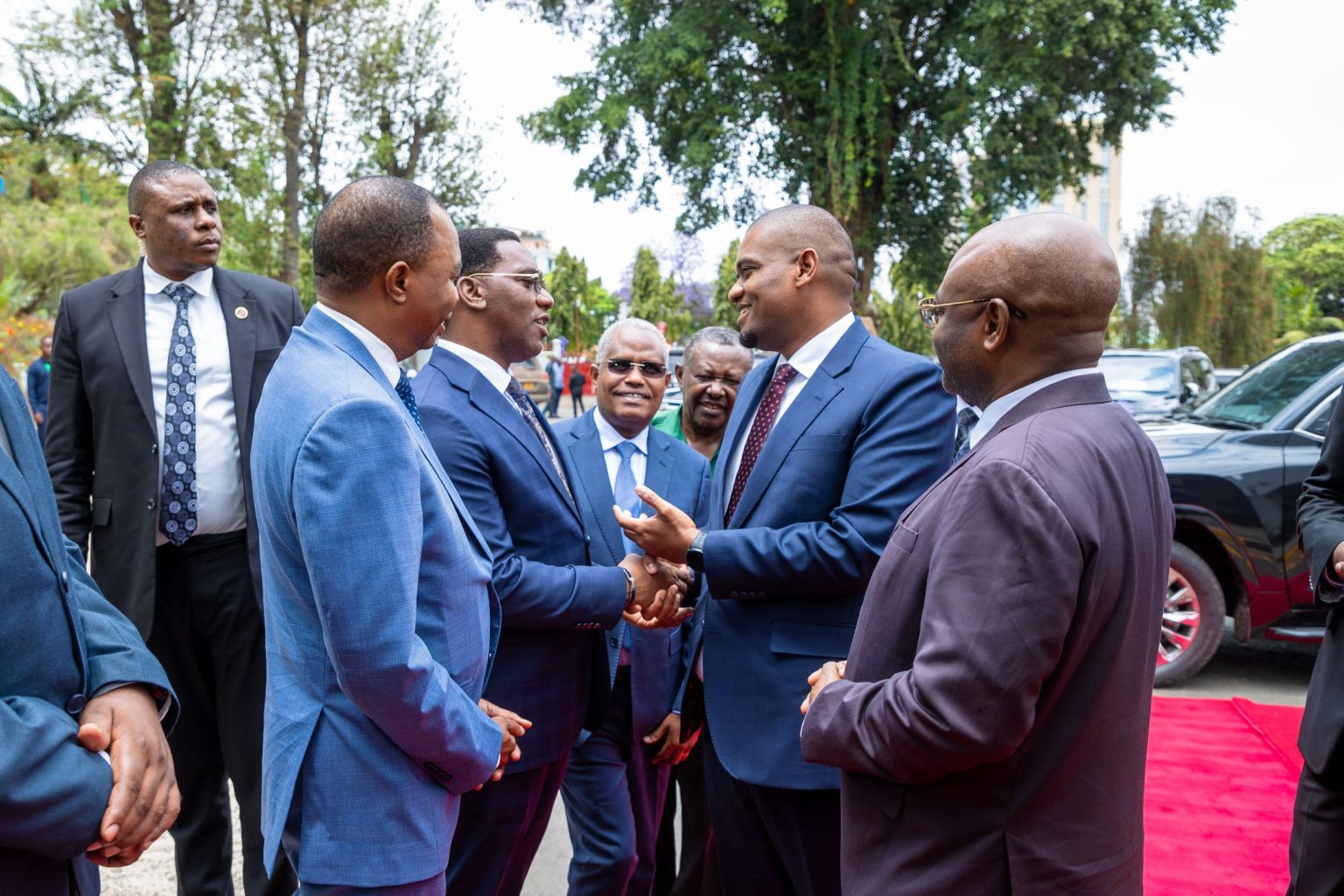
The invitation was extended to Ashok by Mozambican Transport and Logistics Minister João Matlombe at the SAGARMANTHAN Ocean Dialogue in New Delhi.
The move marks a clear push to build local manufacturing capacity and cut import dependence.
Ashok Leyland is part of India’s Hinduja Group and manufactures commercial vehicles across 50 countries.
The company reported a Fiscal Year 2026 consolidated revenue of approximately US$5.4 Billion.
Its electric-mobility portfolio includes electric buses — a capability that aligns directly with Mozambique’s transport goals.
A local platform for cleaner transport
The proposed facility would handle bus assembly, maintenance, vehicle adaptation and technical training.
Over time, it would integrate locally sourced components. That approach builds supplier networks and grows domestic technical skills.
The project includes electric buses for public transport from the outset. Minister Matlombe also encouraged Ashok Leyland to submit proposals for converting existing diesel buses to natural gas. Mozambique’s domestic gas production and electricity supply make both options commercially viable.
The policy targets more than fleet renewal. The government expects the plant to improve municipal transport services and strengthen links between rural production zones, tourism corridors and urban centres.
That scope positions the project as an economic-connectivity play, not just a procurement exercise.
What does the deal mean for investors?
Under Resolution 55/2026 of 17 July 2026, Mozambique has formally invited expressions of interest.
The government plans to select a private investor, consortium or strategic partner by 19 October 2026.
The chosen party will design, finance, install, equip and operate the plant through a public-private partnership.
Government estimates indicate that local assembly could reduce bus acquisition costs by approximately 40 percent.
That figure supports a broader industrial policy built on import substitution and technology transfer.
The project generates secondary demand too.
Maintenance services, spare parts, operator training and fleet management all represent ancillary revenue streams.
However, commercial returns will depend on procurement volumes and reliable regulatory frameworks.
As one analyst framing the opportunity puts it: a government-backed Public Private Partnership with a hard deadline and a named industrial anchor is the clearest possible signal that this project is moving from policy to procurement.
The October deadline is the first milestone to watch. Partner selection will clarify ownership structure, financing terms and planned production capacity — the details that convert strategic intent into investable opportunity.