How Ugandan students can seize higher education opportunities in Russia
For Ugandan students looking to pursue higher education abroad, Russia offers opportunities that extend beyond acquiring academic qualifications. From medicine and engineering to agriculture, science and information technology, Russian universities provide training in disciplines that could contribute to Uganda’s development. However, accessing these opportunities requires more than the desire to study abroad. Prospective students need […] The post How Ugandan students can seize higher education opportunities in Russia appeared first on The Observer Media Ltd.
 Black News
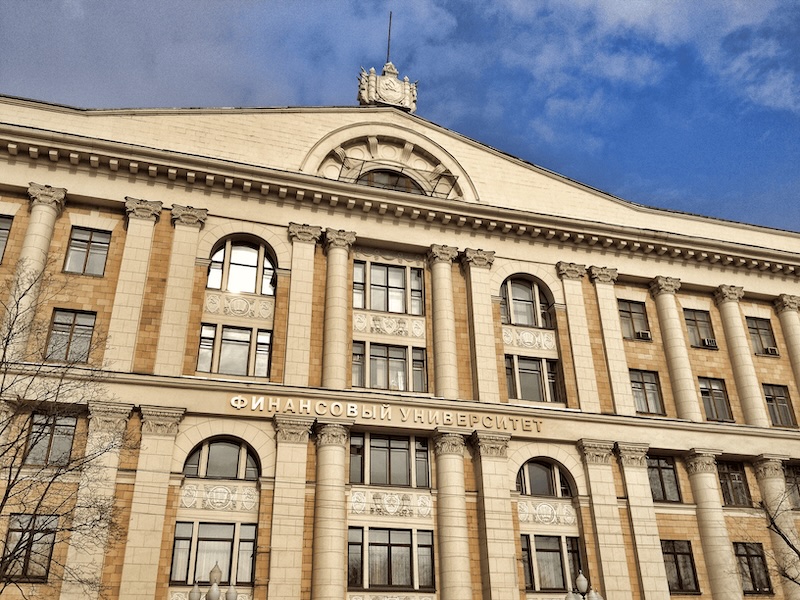

For Ugandan students looking to pursue higher education abroad, Russia offers opportunities that extend beyond acquiring academic qualifications.
From medicine and engineering to agriculture, science and information technology, Russian universities provide training in disciplines that could contribute to Uganda’s development.
However, accessing these opportunities requires more than the desire to study abroad. Prospective students need to identify their career interests, research available programmes and understand the admission and scholarship requirements.
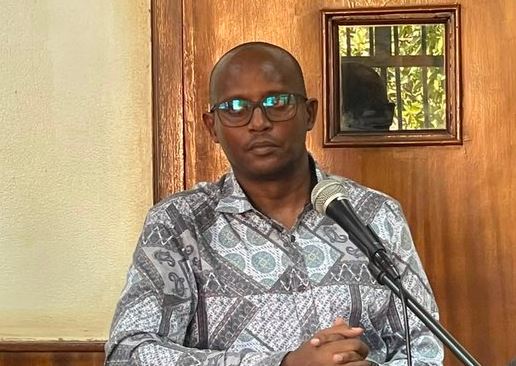
“During my time in Uganda, I frequently encountered young people who wanted to know how they could secure opportunities to study in Russia. My advice was always to begin by identifying the profession they wanted to pursue before choosing a university. This is important because the choice of programme should be guided by one’s career ambitions rather than simply the desire to travel abroad,” Aleksandr Kulikov, a Russian national based in Tanzania said.
One of the most accessible routes is the Russian government scholarship programme, which offers international students an opportunity to study at Russian universities. The scholarship covers tuition fees, provides a monthly stipend and, where necessary, includes preparatory Russian language training.
He said competition for these scholarships can be stiff, making academic performance an important consideration. Applicants should therefore prepare early and ensure they meet the eligibility requirements.
The application process begins through the official education portal, education-in-russia.com, where prospective students can explore available programmes, universities and application requirements. Applicants should have their passports, academic certificates and transcripts ready.
Although some Russian universities offer programmes in English, many courses are taught in Russian. For this reason, learning the language can make a significant difference to a student’s academic and social experience.
He said students who do not have the required Russian language proficiency may undertake a preparatory course before beginning their degree programmes. This gives them an opportunity to acquire the language skills needed to follow lectures, interact with lecturers and adapt to everyday life.
Russia has universities offering specialised training in medicine, engineering, information technology, agriculture, energy and other scientific disciplines.
However, students should not select universities simply because they are popular or offer scholarships. They should examine the quality of academic programmes, admission requirements, learning facilities and the recognition of qualifications in Uganda.
For students pursuing professional courses, particularly medicine and engineering, establishing whether the qualification meets Uganda’s professional and regulatory requirements is especially important.
“Uganda’s educational cooperation with Russia should not be limited to sending individual students abroad. There is considerable potential for universities in the two countries to establish partnerships in research, academic exchanges, technology transfer and vocational training,” he said.
Such cooperation could strengthen Uganda’s higher education institutions by exposing lecturers and researchers to new knowledge, equipment and scientific innovations.
Priority areas could include medicine, agricultural research, renewable energy, engineering, information technology and industrial development. These are sectors where access to specialised knowledge and technology could help address some of Uganda’s development challenges.
The ultimate value of educational cooperation should be measured not only by the number of students who secure scholarships and travel abroad, but also by how the knowledge and skills acquired translate into tangible benefits at home.
He noted that Ugandan graduates returning from Russia could contribute to universities, hospitals, research institutions, industries and government agencies. Their international exposure could also help build professional networks that open doors for further academic and economic cooperation.
The post How Ugandan students can seize higher education opportunities in Russia appeared first on The Observer Media Ltd.