Hunger must not be life sentence
Today is World Food Day, which falls on October 16 and a mother in Malawi waters down the evening meal so that every child can have a share. A farmer wonders how to afford fertiliser. A child sleeps hungry in a country whose people spend their lives growing maize. A typical Malawian village family sharing … The post Hunger must not be life sentence appeared first on Nation Online.
 Black News
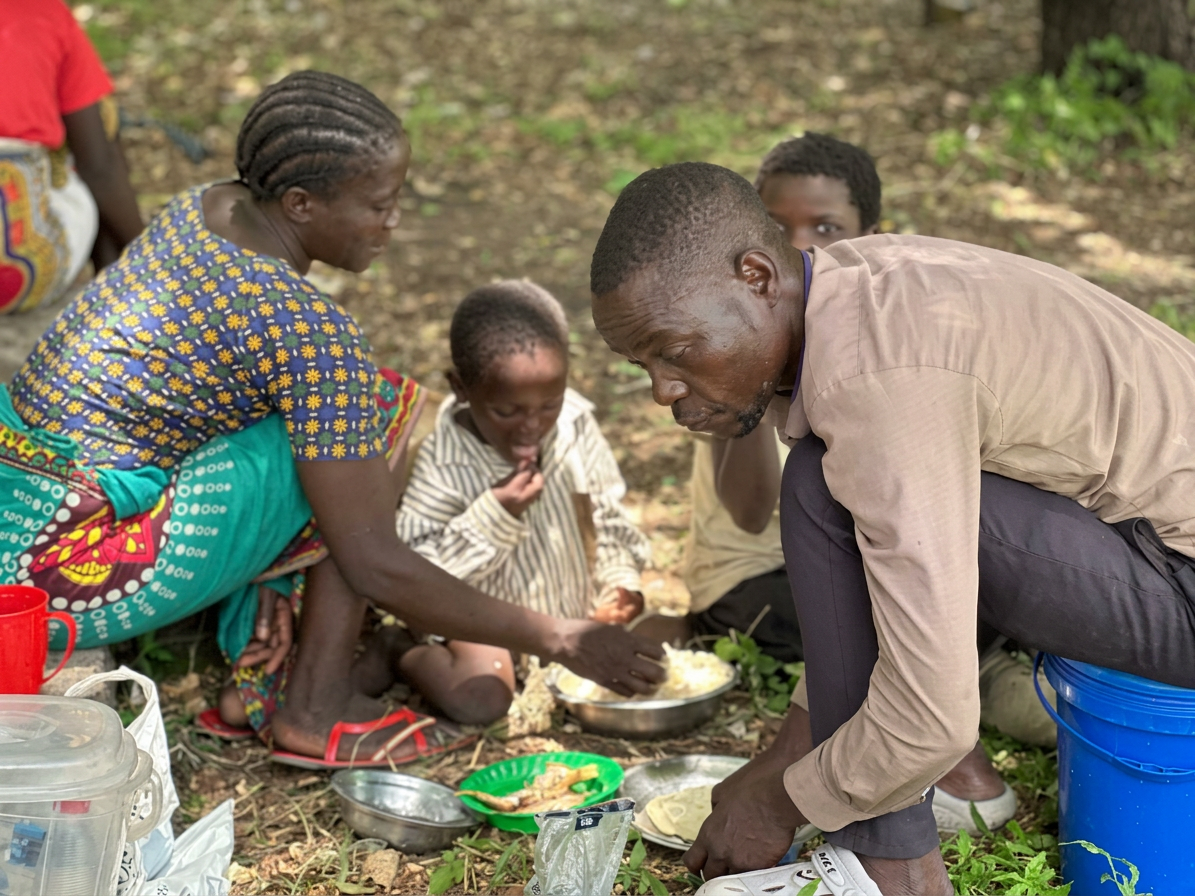
Today is World Food Day, which falls on October 16 and a mother in Malawi waters down the evening meal so that every child can have a share.
A farmer wonders how to afford fertiliser. A child sleeps hungry in a country whose people spend their lives growing maize.

This suffering has outlasted changes of government. United Democratic Front, Democratic Progressive Party, People’s Party and Malawi Congress Party administrations have all confronted a deeply troubled agricultural and economic system.
The current administration has inherited that same challenge. Its roots stretch across decades of externally promoted reforms, domestic policy choices and inadequate investment in productive capacity.
Recognising that history places responsibility on all of us to change a system that successive governments have struggled to overcome. We should be outraged that hunger has become familiar while children bear the consequences in their health, their growth and sometimes their lives.
Malawi has become a food prison. Poverty is the sentence. Debt, dependence and unequal markets are the shackles. For children damaged by under-nutrition, the consequences can last a lifetime.
Yet across our borders, another outcome is possible. Tanzanian officials report food self-sufficiency reaching 133 percent. Zambia’s Agriculture Ministry forecasts nearly five million metric tonnes of maize from its 2025/26 season. Our neighbours also face climate pressures and electoral cycles. Their circumstances differ, but their progress should strengthen our determination to build our own productive capacity.
I am the daughter of a farmer and a farmer myself. I have watched hard work collide with a system that leaves producers carrying risks they have little power to control.
Structural adjustment policies promised prosperity. Yet the World Bank’s own 1997 evaluation acknowledged that years of agricultural adjustment had missed the central issue: enabling farmers to participate in Malawi’s development. It also documented domestic policies that disadvantaged them.
That history demands an honest reckoning. Donors and lenders must examine the consequences of their prescriptions. Successive governments must account for implementation and investment choices. Good intentions cannot substitute for lasting food security.
Decolonising our food system means giving Malawians authority over its priorities, with farmers exercising meaningful decision-making power.
Foreign exchange scarcity continues to restrict access to fertiliser, fuel and machinery. Planting windows close while producers wait. The rain does not wait for a bank’s approval.
These recurring difficulties require scrutiny of how currency is earned, allocated and used. Investment should expand production, employment and exports. Suspected fertiliser cartels, illicit currency dealing and alleged collusion deserve independent investigation.
Debt further narrows our choices. In February 2026, the World Bank reported interest payments approaching half of domestic revenues, squeezing resources available for infrastructure and essential services. Climate pressures make investment in resilient agriculture more urgent still.
We borrow to endure today while starving tomorrow of investment
Malawi needs a national programme that survives elections. Government, civil servants, banks, businesses and development partners must accept clear responsibilities, with women, youth and farmers helping direct and assess delivery.
Fund irrigation, storage, rural roads and reliable energy. Assess viable fertiliser production, restore soil health and expand affordable productive finance. Use public food purchasing to create dependable local markets. Align debt reform with essential services and investment.
A hungry child negotiated no loan and awarded no contract. Yet that child bears the consequences. Our children deserve better than survival between emergencies. Unshackle Malawi through shared responsibility.
*Hellen Zalira Chabunya is a large-scale commercial farmer and doctoral researcher at the University of Texas at Austin and senior research fellow at Harvard University.
The post Hunger must not be life sentence appeared first on Nation Online.