IFEX: Ugandan Authorities Must Lift Suspension Imposed On Civil Society During Elections
By IFEX Photos: YouTube Screenshots\Wikimedia Commons IFEX, a global network of over 100 member-organisations dedicated to promoting and defending the right to freedom of expression and information in nearly 70 countries, is alarmed by the ongoing suspension of several civil society organisations in Uganda under the 2016 Non-Governmental Organisations Act Cap. 109, as a result of ostensibly politically motivated investigations initiated just before the presidential elections on 15 January. The period leading up to elections is a critical moment in which civil society’s right to monitor, document and report on electoral processes is necessary to facilitate public confidence and participation in free and fair elections. IFEX particularly condemns the suspension of the operating licence and freezing of the bank account of member-organisation, Human Rights Network for Journalists – Uganda (HRNJ-U), following accusations of engaging in acts “prejudicial to the security and laws of Uganda” under Section 42(d) of the NGO Act. Other CSOs also affected include Chapter Four Uganda, National Coalition of Human Rights Defenders in Uganda, the Uganda National NGO Forum, the Alliance for Finance Monitoring (ACFIM), the African Centre for Media Excellence (ACME), and the African Centre for the Treatment and Rehabilitation of Torture Victims (ACTV). The NGO Act has previously been criticised for excessively overregulating NGO operations, such as through burdensome application requirements for NGO permits and memoranda of understanding with local districts. Recent amendments to the act in 2024 imposed further onerous requirements and expanded government powers to suspend or dissolve NGOs, leading to the deterioration of civic space in Uganda. A recent UN report in early January 2026 details how the government has been steadily developing and implementing draconian legislation since the last election in 2021, facilitating an environment in which journalists have been barred from reporting on parliamentary events and assaulted while covering campaigns from the opposition candidate. A widespread internet shutdown was also instituted during the election period, curtailing the ability of citizens to enjoy and exercise their right to access information. This has sparked criticism from the African Commission on Human and Peoples’ Rights, which also expressed concern for targeted organisations, including HRNJ-U. The attack on CSOs in Uganda is not happening in isolation. Globally, IFEX has observed an increasingly systematic pattern of governments wielding anti-CSO legislation to restrict civil society’s operations and activities in violation of their rights to free expression and information, as well as freedom of association. This has contributed to a deterioration of global civic space and takes place against a wider backdrop of the most significant funding cuts to civil society in decades, undermining their ability to promote and protect human rights and to hold perpetrators of abuses to account. Organisations like HRNJ-U are vital to promoting freedom of expression and information across Uganda by supporting local media with capacity-building and legal aid while engaging in national advocacy for the safety and protection of journalists. CSOs are necessary partners to strengthening human rights protections, democratic governance, and socio-economic transformation, providing solutions to pressing issues and ensuring authorities fulfil their obligations especially during periods of tension and transition, such as the election cycle. As Uganda enters a seventh term under President Yoweri Museveni, we re-emphasise the importance of civic space. A healthy and stable democracy can only thrive where the rights to freedom of expression, access to information, and association are protected and promoted, and the government is undertaking the necessary steps to create an enabling environment in which civil society can carry out their work freely and without fear. Thus, we urge the authorities of Uganda to: Immediately lift the suspension orders and unfreeze the bank accounts of Human Rights Network for Journalists-Uganda and the other Ugandan civil society organisations, Chapter Four Uganda, National Coalition of Human Rights Defenders in Uganda, the Uganda National NGO Forum, the Alliance for Finance Monitoring (ACFIM), the African Centre for Media Excellence (ACME), and the African Centre for the Treatment and Rehabilitation of Torture Victims (ACTV), allowing them to resume their work openly and freely without fear of reprisals, harassment, or further targeting; Cease the harassment and attacks against independent journalists and media workers, ensuring media freedom and the public’s right to access information, particularly during electoral periods; Restore full access to all social media platforms, websites, and other crucial online services and limit further internet disruptions, including throt
 Black News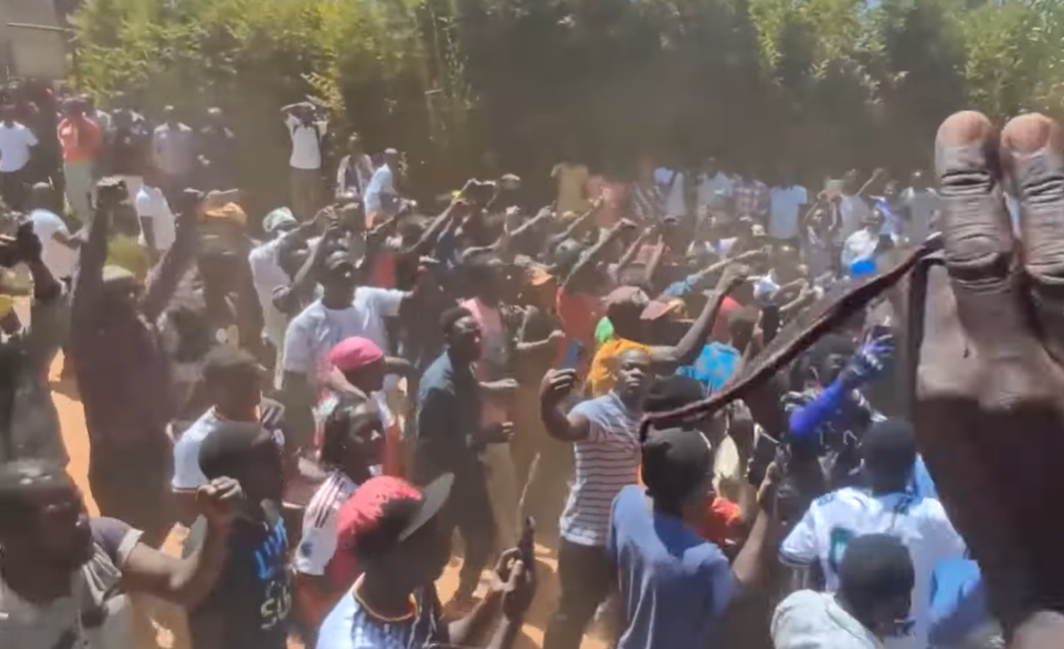
By IFEX
Photos: YouTube Screenshots\Wikimedia Commons
IFEX, a global network of over 100 member-organisations dedicated to promoting and defending the right to freedom of expression and information in nearly 70 countries, is alarmed by the ongoing suspension of several civil society organisations in Uganda under the 2016 Non-Governmental Organisations Act Cap. 109, as a result of ostensibly politically motivated investigations initiated just before the presidential elections on 15 January. The period leading up to elections is a critical moment in which civil society’s right to monitor, document and report on electoral processes is necessary to facilitate public confidence and participation in free and fair elections.

IFEX particularly condemns the suspension of the operating licence and freezing of the bank account of member-organisation, Human Rights Network for Journalists – Uganda (HRNJ-U), following accusations of engaging in acts “prejudicial to the security and laws of Uganda” under Section 42(d) of the NGO Act. Other CSOs also affected include Chapter Four Uganda, National Coalition of Human Rights Defenders in Uganda, the Uganda National NGO Forum, the Alliance for Finance Monitoring (ACFIM), the African Centre for Media Excellence (ACME), and the African Centre for the Treatment and Rehabilitation of Torture Victims (ACTV).
The NGO Act has previously been criticised for excessively overregulating NGO operations, such as through burdensome application requirements for NGO permits and memoranda of understanding with local districts. Recent amendments to the act in 2024 imposed further onerous requirements and expanded government powers to suspend or dissolve NGOs, leading to the deterioration of civic space in Uganda. A recent UN report in early January 2026 details how the government has been steadily developing and implementing draconian legislation since the last election in 2021, facilitating an environment in which journalists have been barred from reporting on parliamentary events and assaulted while covering campaigns from the opposition candidate. A widespread internet shutdown was also instituted during the election period, curtailing the ability of citizens to enjoy and exercise their right to access information. This has sparked criticism from the African Commission on Human and Peoples’ Rights, which also expressed concern for targeted organisations, including HRNJ-U.
The attack on CSOs in Uganda is not happening in isolation. Globally, IFEX has observed an increasingly systematic pattern of governments wielding anti-CSO legislation to restrict civil society’s operations and activities in violation of their rights to free expression and information, as well as freedom of association. This has contributed to a deterioration of global civic space and takes place against a wider backdrop of the most significant funding cuts to civil society in decades, undermining their ability to promote and protect human rights and to hold perpetrators of abuses to account.
Organisations like HRNJ-U are vital to promoting freedom of expression and information across Uganda by supporting local media with capacity-building and legal aid while engaging in national advocacy for the safety and protection of journalists. CSOs are necessary partners to strengthening human rights protections, democratic governance, and socio-economic transformation, providing solutions to pressing issues and ensuring authorities fulfil their obligations especially during periods of tension and transition, such as the election cycle.
As Uganda enters a seventh term under President Yoweri Museveni, we re-emphasise the importance of civic space. A healthy and stable democracy can only thrive where the rights to freedom of expression, access to information, and association are protected and promoted, and the government is undertaking the necessary steps to create an enabling environment in which civil society can carry out their work freely and without fear.
Thus, we urge the authorities of Uganda to:
- Immediately lift the suspension orders and unfreeze the bank accounts of Human Rights Network for Journalists-Uganda and the other Ugandan civil society organisations, Chapter Four Uganda, National Coalition of Human Rights Defenders in Uganda, the Uganda National NGO Forum, the Alliance for Finance Monitoring (ACFIM), the African Centre for Media Excellence (ACME), and the African Centre for the Treatment and Rehabilitation of Torture Victims (ACTV), allowing them to resume their work openly and freely without fear of reprisals, harassment, or further targeting;
- Cease the harassment and attacks against independent journalists and media workers, ensuring media freedom and the public’s right to access information, particularly during electoral periods;
- Restore full access to all social media platforms, websites, and other crucial online services and limit further internet disruptions, including throttling and blockages;
- Reform the NGO Act and bring it in line with international human rights standards, prioritising an enabling environment for civil society; and
- Uphold international obligations to protect and promote freedom of expression and information, as well as the right to association, as guaranteed by Uganda’s Constitution, the African Charter, the International Covenant on Civil and Political Rights, and other relevant human rights instruments.