Independent Vision, Uncompromised Voice: Edwin Freeman’s Rise As A Filmmaker Of Purpose
By Miles “Hollyhood” CassoPhotos: Miles “Hollywood” Casso In an industry often dominated by major studios, corporate gatekeepers, and creative compromise, actor, writer, producer, and director Edwin Freeman stands as a powerful example of what independent Black filmmaking can achieve when vision, discipline, and purpose align. Freeman’s journey is one defined by intention. Best known to mainstream audiences for his acting roles in the blockbuster film Notorious and Marvel’s hit television series Luke Cage, Freeman has steadily expanded his impact behind the camera—emerging as a respected independent filmmaker whose documentaries challenge systems, amplify culture, and reclaim narrative power. His breakthrough as a documentarian came with Modern Day Slavery: From Plantations to Prisons (2019), a hard-hitting exploration of the historical and contemporary systems that connect chattel slavery to mass incarceration. The film did not rely on sensationalism; instead, it grounded its message in history, lived experience, and critical analysis. Released independently, the documentary found its audience organically and established Freeman as a filmmaker unafraid to confront uncomfortable truths. That fearless approach continued with Beats & Lyrics: The Essence of Rap (2023), a cultural time capsule released in commemoration of the 50th Anniversary of Hip-Hop. The documentary celebrated rap music as a global art form rooted in Black and Latino communities, while honoring its lyrical depth, social commentary, and revolutionary spirit. The film resonated deeply across generations and went on to win multiple awards on the film festival circuit, further solidifying Freeman’s credibility as a storyteller with both cultural fluency and cinematic skill. Now, Freeman is preparing to release what many consider his most ambitious and anticipated project yet: Weaponized: Hip-Hop Under Siege. The upcoming documentary examines how major corporations have systematically hijacked hip-hop culture for profit—often at the expense of the communities and artists who created it. Through investigative storytelling, Freeman explores how commercial interests have reshaped messaging, aesthetics, and influence within the genre, raising urgent questions about ownership, responsibility, and cultural exploitation. But Freeman’s vision does not stop with documentaries. Beginning in 2026, he is set to transition into scripted television series and feature films, bringing the same independent ethos and cultural consciousness into narrative storytelling. This next chapter signals not a departure from his mission, but an evolution—one that expands the reach of authentic Black stories across genres and platforms without surrendering creative control. Perhaps most importantly, Edwin Freeman’s career serves as a blueprint for young African American and Latino filmmakers navigating an industry that often tells them to wait for permission. Freeman did not wait. He produced, funded, released, and marketed his work independently—proving that ownership matters, timing matters, and belief in one’s voice matters most. His success sends a clear message: you do not need a studio to validate your story. You need clarity, commitment, and the courage to release your work into the world. In an era where authenticity is constantly under threat, Edwin Freeman’s independent path stands as both inspiration and challenge—to create boldly, to own your art, and to tell the stories that must be told, regardless of who is listening. And increasingly, the world is listening.
 Black News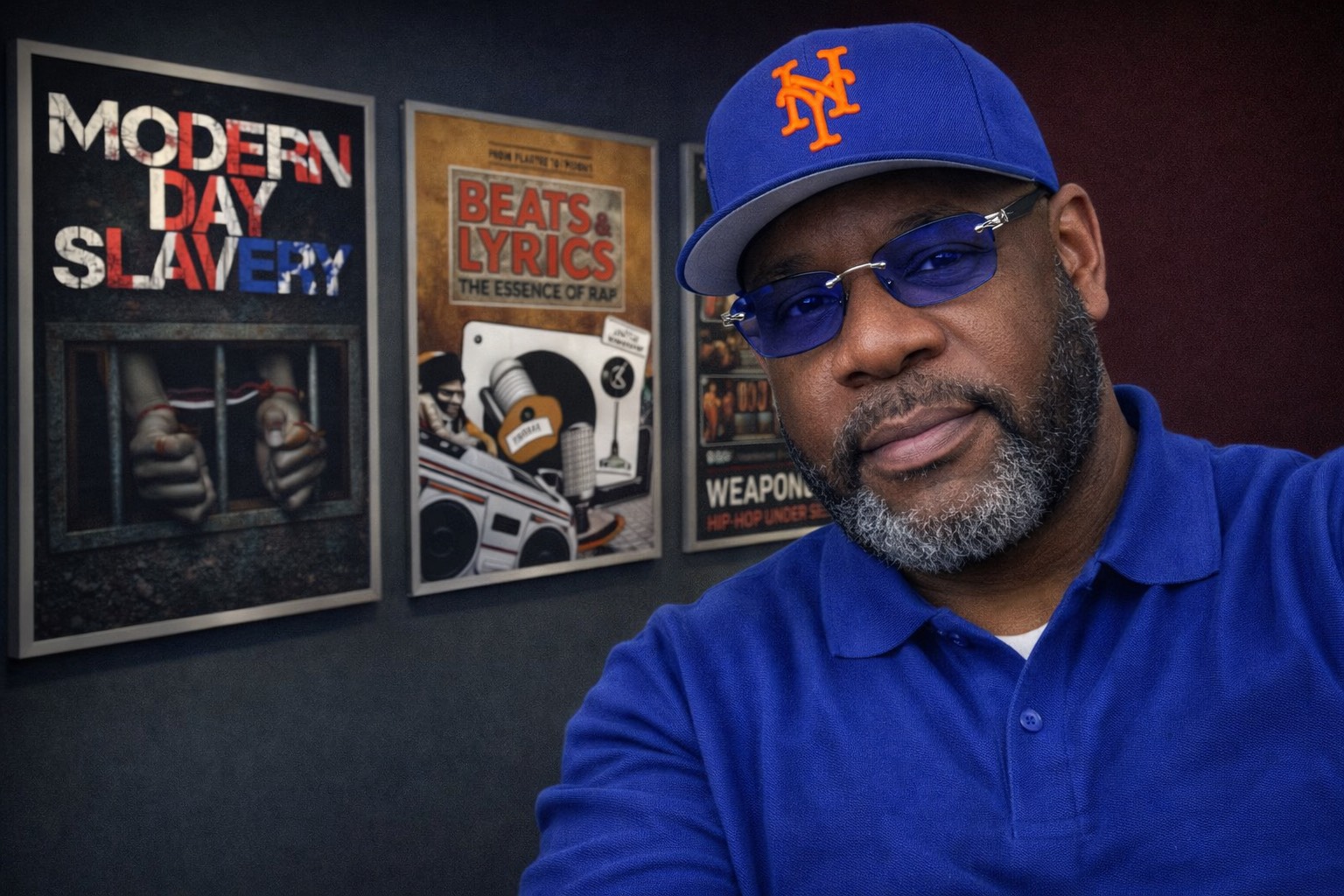
By Miles “Hollyhood” Casso
Photos: Miles “Hollywood” Casso
In an industry often dominated by major studios, corporate gatekeepers, and creative compromise, actor, writer, producer, and director Edwin Freeman stands as a powerful example of what independent Black filmmaking can achieve when vision, discipline, and purpose align.

Freeman’s journey is one defined by intention. Best known to mainstream audiences for his acting roles in the blockbuster film Notorious and Marvel’s hit television series Luke Cage, Freeman has steadily expanded his impact behind the camera—emerging as a respected independent filmmaker whose documentaries challenge systems, amplify culture, and reclaim narrative power.
His breakthrough as a documentarian came with Modern Day Slavery: From Plantations to Prisons (2019), a hard-hitting exploration of the historical and contemporary systems that connect chattel slavery to mass incarceration. The film did not rely on sensationalism; instead, it grounded its message in history, lived experience, and critical analysis. Released independently, the documentary found its audience organically and established Freeman as a filmmaker unafraid to confront uncomfortable truths.
That fearless approach continued with Beats & Lyrics: The Essence of Rap (2023), a cultural time capsule released in commemoration of the 50th Anniversary of Hip-Hop. The documentary celebrated rap music as a global art form rooted in Black and Latino communities, while honoring its lyrical depth, social commentary, and revolutionary spirit. The film resonated deeply across generations and went on to win multiple awards on the film festival circuit, further solidifying Freeman’s credibility as a storyteller with both cultural fluency and cinematic skill.

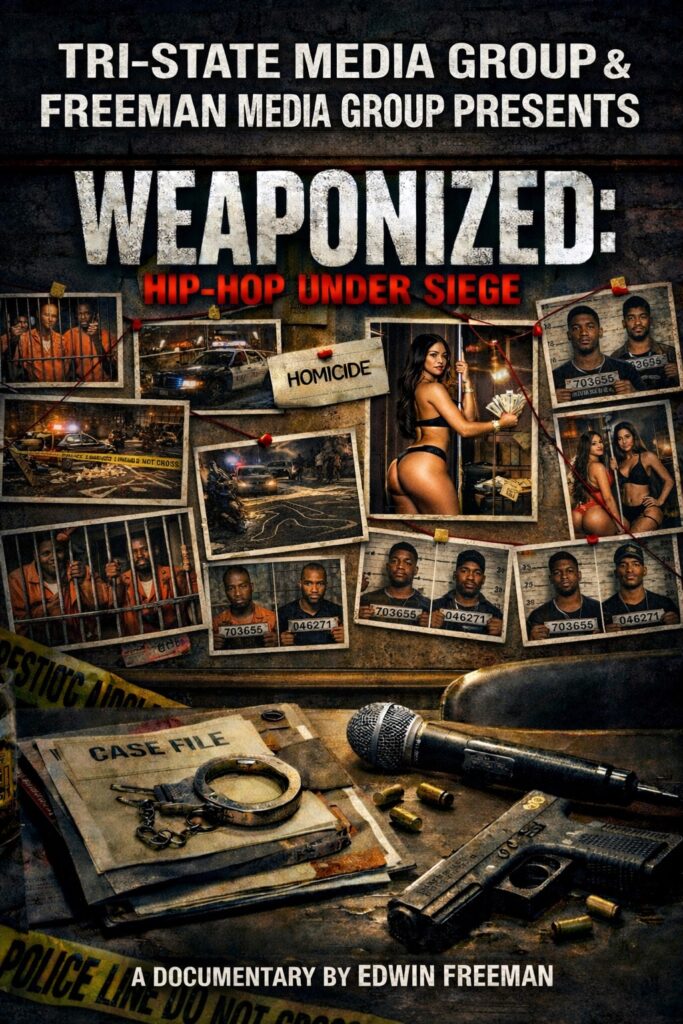
Now, Freeman is preparing to release what many consider his most ambitious and anticipated project yet: Weaponized: Hip-Hop Under Siege. The upcoming documentary examines how major corporations have systematically hijacked hip-hop culture for profit—often at the expense of the communities and artists who created it. Through investigative storytelling, Freeman explores how commercial interests have reshaped messaging, aesthetics, and influence within the genre, raising urgent questions about ownership, responsibility, and cultural exploitation.
But Freeman’s vision does not stop with documentaries.
Beginning in 2026, he is set to transition into scripted television series and feature films, bringing the same independent ethos and cultural consciousness into narrative storytelling. This next chapter signals not a departure from his mission, but an evolution—one that expands the reach of authentic Black stories across genres and platforms without surrendering creative control.
Perhaps most importantly, Edwin Freeman’s career serves as a blueprint for young African American and Latino filmmakers navigating an industry that often tells them to wait for permission. Freeman did not wait. He produced, funded, released, and marketed his work independently—proving that ownership matters, timing matters, and belief in one’s voice matters most.
His success sends a clear message: you do not need a studio to validate your story. You need clarity, commitment, and the courage to release your work into the world.
In an era where authenticity is constantly under threat, Edwin Freeman’s independent path stands as both inspiration and challenge—to create boldly, to own your art, and to tell the stories that must be told, regardless of who is listening.
And increasingly, the world is listening.