Is a betrayed liberation struggle why Zimbabweans today fear confronting repression?
The seeds of today’s silence were sown decades ago.
 Black News

This morning I woke up to a program on state-controlled television featuring veterans of Zimbabwe’s liberation struggle recounting their experiences during the war.
To directly receive my articles please join my WhatsApp Channel on: https://whatsapp.com/channel/0029VaqprWCIyPtRnKpkHe08
As always, I was deeply moved, nearly to tears, hearing the immense sacrifices these brave men and women made when they were mere boys and girls.
No one with a conscience can listen to their suffering under the colonial regime without a bleeding heart and a groaning soul.
They endured unspeakable hardships so that all Zimbabweans could finally enjoy the fruits of our country’s abundant wealth, which at the time was hoarded by a privileged few.
Yet, a far deeper pain gripped me as I watched these “sons and daughters of the soil.”
Forty-six years after independence, they remain trapped in poverty.
Many left school—some forced, others voluntarily—to join the fight, including one veteran who recalled abandoning his education in grade six.
They risked everything, and thousands never returned home in 1980.
But for what?
Today, these elderly freedom fighters must queue for food aid, depend on government handouts for boreholes, and go without basic medication.
Cruelly, they are forced to sing and dance for young men amassing millions from public tenders, hoping for scraps from “presidential schemes” or backyard empowerment projects like rearing chickens and hawking secondhand clothes just to survive.
Behind their eyes on screen lies a silent, gnawing question: why did we risk our lives?
Today, the true beneficiaries of their blood and sacrifice are the ruling elite and their cronies who loot our national wealth with impunity.
These are individuals who casually “lose” over $10 million to lovers, gift fleets of luxury SUVs and cash bundles to sycophants, and secure multi-million-dollar public contracts without going to tender—often failing to deliver, yet receiving even more contracts.
They freely smuggle our gold to cities like Dubai to buy lavish properties, while their destructive mining activities devastate local communities for zero return.
Today, a staggering 85 percent of Zimbabweans languish in poverty, while a tiny elite prospers.
Statistics reveal that just 10 percent of the population controls over 59 percent of national income, and a minuscule 0.01 percent reigns as “High Net-Worth Individuals.”
This reality leads to an insidious, rarely discussed question: why is today’s generation not standing up against this injustice?
Why are young Zimbabweans not confronting those who are stealing their inheritance and destroying their future, just as the 1970s generation confronted their oppressors?
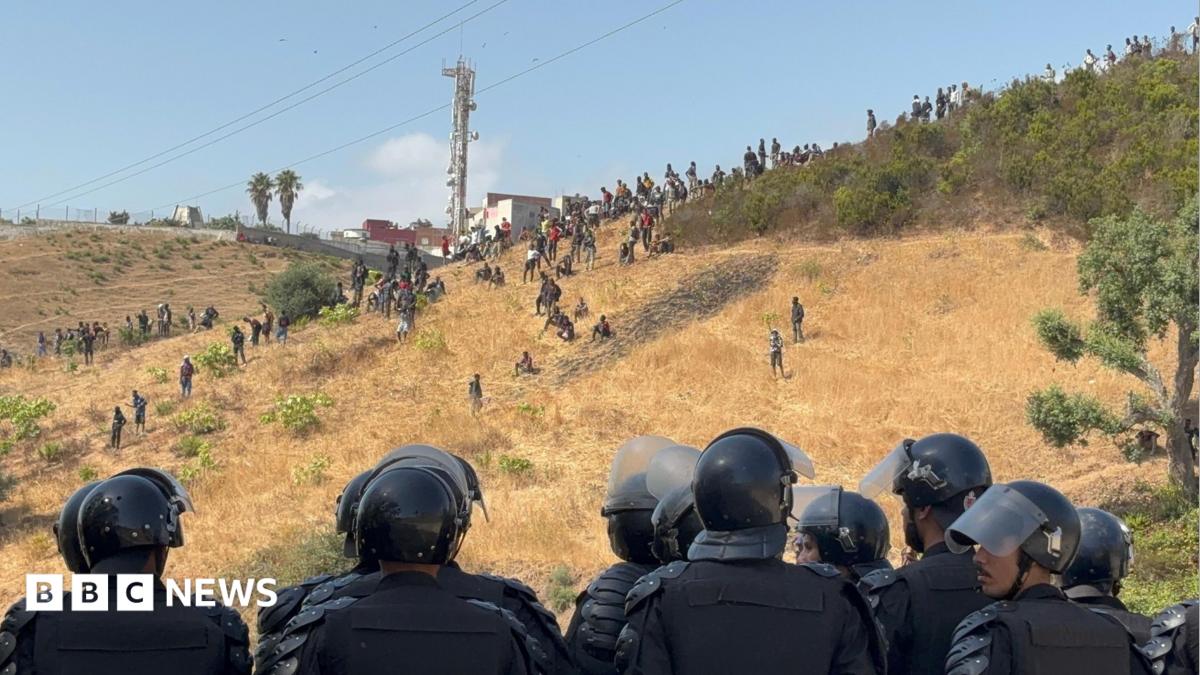
Observer theories often cite the brutal intolerance of the regime, which bans peaceful protests and deploys heavily armed security forces, as demonstrated by the horrific street massacres in Harare in 2018 and 2019.
Fear of state violence is valid, but it does not fully explain the silence.
The teenage fighters of the 1970s did not ask the colonial regime for permission to fight, nor were they met with roses and hugs.
They faced bullets, prison, and landmines, yet they fought on.
The difference today lies in the psychological impact of a betrayed struggle.
People who believe in a cause and trust they will reap the rewards of their sacrifice do not fear danger.
That conviction animated the 1970s generation.
But history has taught us a devastating lesson: those fighters bled and died only for their cause to be hijacked by a new 0.01 percent.
Who today would risk their life for an uncertain outcome?
What guarantee is there that replacing the current regime will not simply empower a new set of masters?
Politicians are adept at portraying themselves as messiahs, preaching justice and prosperity until they gain power, only to discard the people back into misery.
The faces at the top may change, but the math stays the same: we risk everything only to crown a different 0.01 percent.
The true, subconscious reason Zimbabweans hesitate to confront repression is not merely fear of state brutality, but a pervasive sense of futility.
What would we be fighting, suffering, or dying for?
The tragedy of our parents’ hijacked revolution is that it shattered our faith in meaningful change.
People do not fear the regime’s bullets half as much as they fear dying for another lie.
Until we believe a new struggle will actually bring freedom, the silence will remain.
- Tendai Ruben Mbofana is a social justice advocate and writer. Please feel free to contact him on +263715667700 or mbofana.tendairuben73@gmail.com