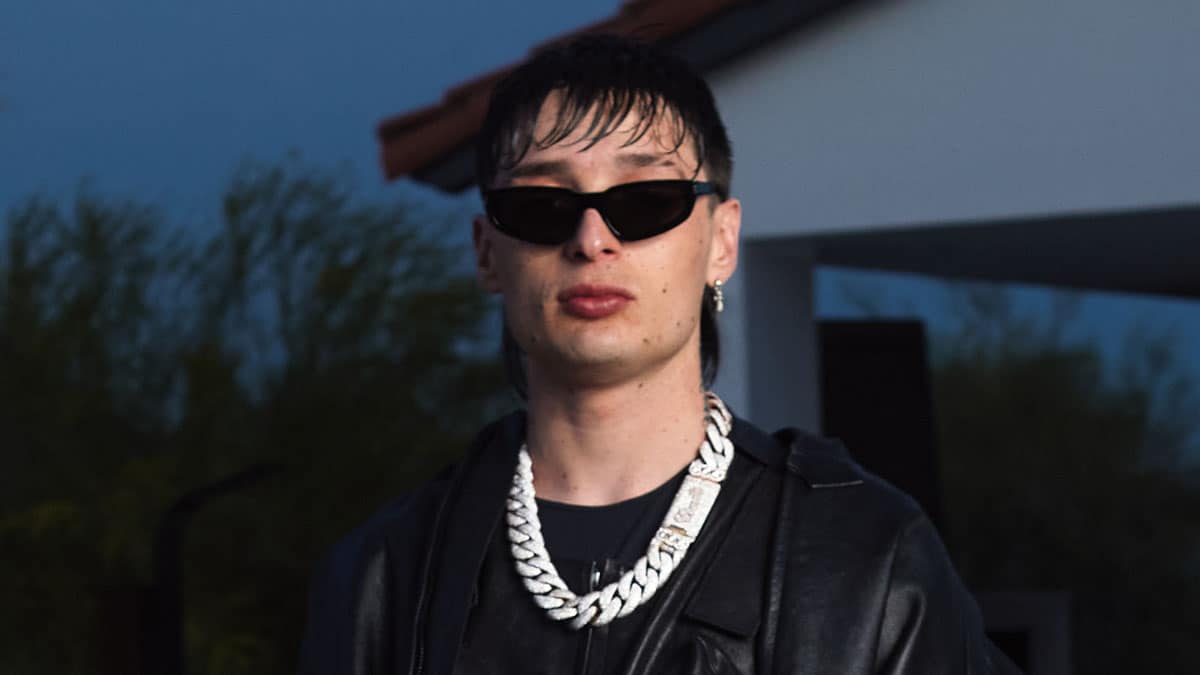
Joshua Walker Built Indestreets From Real Life and Real Hustle
How a self-made creative helped bridge culture, cannabis, and streetwear through Indestreets and WHAM Some people build brands. Others build culture. Joshua Walker has quietly done both. Raised between Paramount and Long Beach, Walker came up in the skate scene with a camera in one hand and a hustle in the other. Long before cannabis brands, influencer marketing, or streetwear collaborations became industry buzzwords, he was already moving product out of a backpack, bringing rival cliques together through parties, and learning how culture actually travels through people. Today, Walker works with The Holding Company, helping build WHAM into licensed retail stores across California while also pushing its apparel into national retailers like Zumiez. Before that, he sharpened his instincts working inside Stiiizy, where he helped shape apparel strategy and influencer marketing efforts across multiple markets. But none of those titles fully capture the story. At the center of it all is Indestreets, Walker’s independent lifestyle brand—built from personal experience, family influence, and a deep understanding of how culture moves. Early Hustle and Finding Identity “My name is Joshua. I’m from one of the best cities in Los Angeles—Paramount,” Walker says. He attended Millikan High School in Long Beach, where skateboarding and filming video parts were his world. But outside of skating, he was already figuring out how to move between different environments and turn that into opportunity. Growing up Black and Mexican in his neighborhood came with its own challenges. “I used to think being mixed was a curse,” he explains. “At the time the two races didn’t really get along, and both cultures were intimidated by each other.” That perspective didn’t last long. “Being mixed, I was able to cut through that and see the bigger picture. I could move between both cultures easily and use that as leverage.” That ability translated into early business instincts. In high school, Walker was already throwing parties that brought different cliques and schools together. At the same time, he was selling clothes out of a backpack—taking orders for Seven jeans and Polo pieces—and moving cannabis. Back in 2006, the product looked different than it does today. “I had Trainwreck, OGs, Juicy Fruit, and GDP coming down from Canada,” he says. “And I had ‘Arizona’—light green brick weed with no seeds for the lower end.” It wasn’t just about selling—it was about understanding people, environments, and demand. Building Indestreets From Real Life Walker launched Indestreets around the time Instagram first emerged. It was the first name he ever used—and the only one that stuck. The brand wasn’t created from trends. It was built from life. “I had this vision to create something inspired by my parents’ lifestyle,” he says. “The essence is ‘St. Militant.’” That philosophy comes from both sides of his family. His father was a decorated veteran—101st Airborne, 82nd Airborne, and a Green Beret—whose discipline left a lasting imprint. His mother, on the other hand, brought a different kind of influence. “She has great taste in materials and a real eye for apparel and furniture,” he says. Those two forces—structure and creativity—became the foundation of the brand. Some of Walker’s earliest collections were deeply personal, created while his father was battling diabetes and had lost a leg. “I named pieces after him and created a collection he could see before he passed,” Walker says. Indestreets today stands as more than a clothing line. It’s a platform for individuality, built on authenticity and self-expression. “It’s about breaking away from traditional corporate norms and embracing your identity,” he explains. “Everything is inspired by real life and the streets.” Learning the Game From the Ground Up Before cannabis, Walker sharpened his marketing instincts in an unexpected place—the soda industry. Working with Michelle Pinedo and Jose Gongora on Jarritos, he helped push the brand beyond its traditional identity. “The goal was to normalize it,” he says. “Not just a ‘Mexican soda,’ but something for everybody.” His strategy was simple: take the product into spaces where it wasn’t expected. “I was hosting events in streetwear, music, and skate culture—places you wouldn’t normally see that brand.” That same thinking would later define his work in cannabis and apparel. A Crash Course Inside Stiiizy Walker’s entry into the cannabis industry came through relationships. He joined Stiiizy through longtime collaborators Dennis Calvero and Emil Soriano, helping build out the apparel side of the business. “It was a crash course,” he says. During his time there, Walker worked on collaborations with Pro Club, helped develop the Grow Department concept, and supported expansion efforts across multiple states through apparel and influencer networks. He credits much of his growth to the team around him. “There were a lot of smart women leading different parts of t
 Black News
How a self-made creative helped bridge culture, cannabis, and streetwear through Indestreets and WHAM
Some people build brands. Others build culture.
Joshua Walker has quietly done both.
Raised between Paramount and Long Beach, Walker came up in the skate scene with a camera in one hand and a hustle in the other. Long before cannabis brands, influencer marketing, or streetwear collaborations became industry buzzwords, he was already moving product out of a backpack, bringing rival cliques together through parties, and learning how culture actually travels through people.

 : @derekfukuhara
Today, Walker works with The Holding Company, helping build WHAM into licensed retail stores across California while also pushing its apparel into national retailers like Zumiez. Before that, he sharpened his instincts working inside Stiiizy, where he helped shape apparel strategy and influencer marketing efforts across multiple markets.
But none of those titles fully capture the story.
At the center of it all is Indestreets, Walker’s independent lifestyle brand—built from personal experience, family influence, and a deep understanding of how culture moves.
Early Hustle and Finding Identity
 : @derekfukuhara
“My name is Joshua. I’m from one of the best cities in Los Angeles—Paramount,” Walker says.
He attended Millikan High School in Long Beach, where skateboarding and filming video parts were his world. But outside of skating, he was already figuring out how to move between different environments and turn that into opportunity.
Growing up Black and Mexican in his neighborhood came with its own challenges.
“I used to think being mixed was a curse,” he explains. “At the time the two races didn’t really get along, and both cultures were intimidated by each other.”
That perspective didn’t last long.
“Being mixed, I was able to cut through that and see the bigger picture. I could move between both cultures easily and use that as leverage.”
That ability translated into early business instincts. In high school, Walker was already throwing parties that brought different cliques and schools together. At the same time, he was selling clothes out of a backpack—taking orders for Seven jeans and Polo pieces—and moving cannabis.
 : @derekfukuhara
Back in 2006, the product looked different than it does today.
“I had Trainwreck, OGs, Juicy Fruit, and GDP coming down from Canada,” he says. “And I had ‘Arizona’—light green brick weed with no seeds for the lower end.”
It wasn’t just about selling—it was about understanding people, environments, and demand.
Building Indestreets From Real Life
 : @derekfukuhara
Walker launched Indestreets around the time Instagram first emerged. It was the first name he ever used—and the only one that stuck.
The brand wasn’t created from trends. It was built from life.
“I had this vision to create something inspired by my parents’ lifestyle,” he says. “The essence is ‘St. Militant.’”

That philosophy comes from both sides of his family.
His father was a decorated veteran—101st Airborne, 82nd Airborne, and a Green Beret—whose discipline left a lasting imprint. His mother, on the other hand, brought a different kind of influence.
“She has great taste in materials and a real eye for apparel and furniture,” he says.
Those two forces—structure and creativity—became the foundation of the brand.

Some of Walker’s earliest collections were deeply personal, created while his father was battling diabetes and had lost a leg.
“I named pieces after him and created a collection he could see before he passed,” Walker says.
Indestreets today stands as more than a clothing line. It’s a platform for individuality, built on authenticity and self-expression.
“It’s about breaking away from traditional corporate norms and embracing your identity,” he explains. “Everything is inspired by real life and the streets.”
Learning the Game From the Ground Up
 : @derekfukuhara
Before cannabis, Walker sharpened his marketing instincts in an unexpected place—the soda industry.
Working with Michelle Pinedo and Jose Gongora on Jarritos, he helped push the brand beyond its traditional identity.
“The goal was to normalize it,” he says. “Not just a ‘Mexican soda,’ but something for everybody.”
His strategy was simple: take the product into spaces where it wasn’t expected.
“I was hosting events in streetwear, music, and skate culture—places you wouldn’t normally see that brand.”
That same thinking would later define his work in cannabis and apparel.
A Crash Course Inside Stiiizy
Walker’s entry into the cannabis industry came through relationships.
He joined Stiiizy through longtime collaborators Dennis Calvero and Emil Soriano, helping build out the apparel side of the business.
“It was a crash course,” he says.
During his time there, Walker worked on collaborations with Pro Club, helped develop the Grow Department concept, and supported expansion efforts across multiple states through apparel and influencer networks.
He credits much of his growth to the team around him.
“There were a lot of smart women leading different parts of the company,” he says. “And one of the owners, James, really understood the streets and ran things with a military mindset.”
The experience gave him a full view of how large-scale cannabis brands operate—from culture to structure.
Building WHAM and Breaking Into Retail
Today, Walker is part of The Holding Company, where he contributes to building WHAM into a recognized name in California’s legal cannabis market.
The work spans everything from compliance systems like METRC to creative execution and retail relationships.
“It’s been fulfilling, but also stressful,” he says. “There’s a lot that goes into this game.”
One of the standout moments came when WHAM expanded into apparel and secured placement in Zumiez stores nationwide.
“That happened organically,” Walker explains. “I’ve worked with Zumiez on different brands since 2016.

The result: WHAM apparel landed in over 100 stores, serving not just as a revenue stream but as a powerful marketing tool.

Walker designed the tees, helped sell them into retail, and worked alongside his longtime skate collaborator Derek Fukahara on promotional content.
Seeing the product in the real world hit differently.
“Friends were sending me pictures from stores, and I even saw someone wearing it at Planet Fitness,” he says. “That was a moment.”
Still Building, Still Evolving
Despite the milestones, Walker doesn’t pretend to have everything figured out.
“I’m still trying to figure out the bigger vision for Indestreets,” he admits.
Recently, he’s been exploring leather goods—products that feel more lasting and carry stronger margins.
More than anything, his approach remains grounded in faith and patience.
“I didn’t plan any of this,” he says. “I just believe everyone gets their chance—you just have to thug it out.”
Legacy Over Hype
For Walker, success isn’t defined by hype or visibility.
He’s focused on impact.
“I want people to say I introduced them to new ways of thinking,” he says. “And that I created a style that was unforgettable.”
His advice for the next generation is simple but hard-earned.
“Keep your ideas protected until you’re ready. And present your work with respect so your audience respects it.”
He also stresses the importance of mentorship.
“Find someone in your community and work for them. Learn first. A lot of the love for a brand comes from the person behind it.”
What Winning Really Looks Like
At the end of the day, Walker’s definition of success isn’t tied to business metrics.
“Winning for me?” he pauses. “Man… it’s being stable enough to start a family and be a father.”
After years of grinding, building, and learning every layer of the game, that’s the goal that matters most.
“I’ve got a lot of wisdom to share,” he says. “I just want to be able to pass that down one day.”
Black Cannabis Magazine will continue highlighting founders, creatives, and culture-shifters building the future of cannabis and beyond.
The post Joshua Walker Built Indestreets From Real Life and Real Hustle appeared first on Black Cannabis Magazine.