Namibia blocks Ghanaian entrepreneur Jory Adu-Boahene's N$4 billion oil and gas supply base over funding and experience concerns
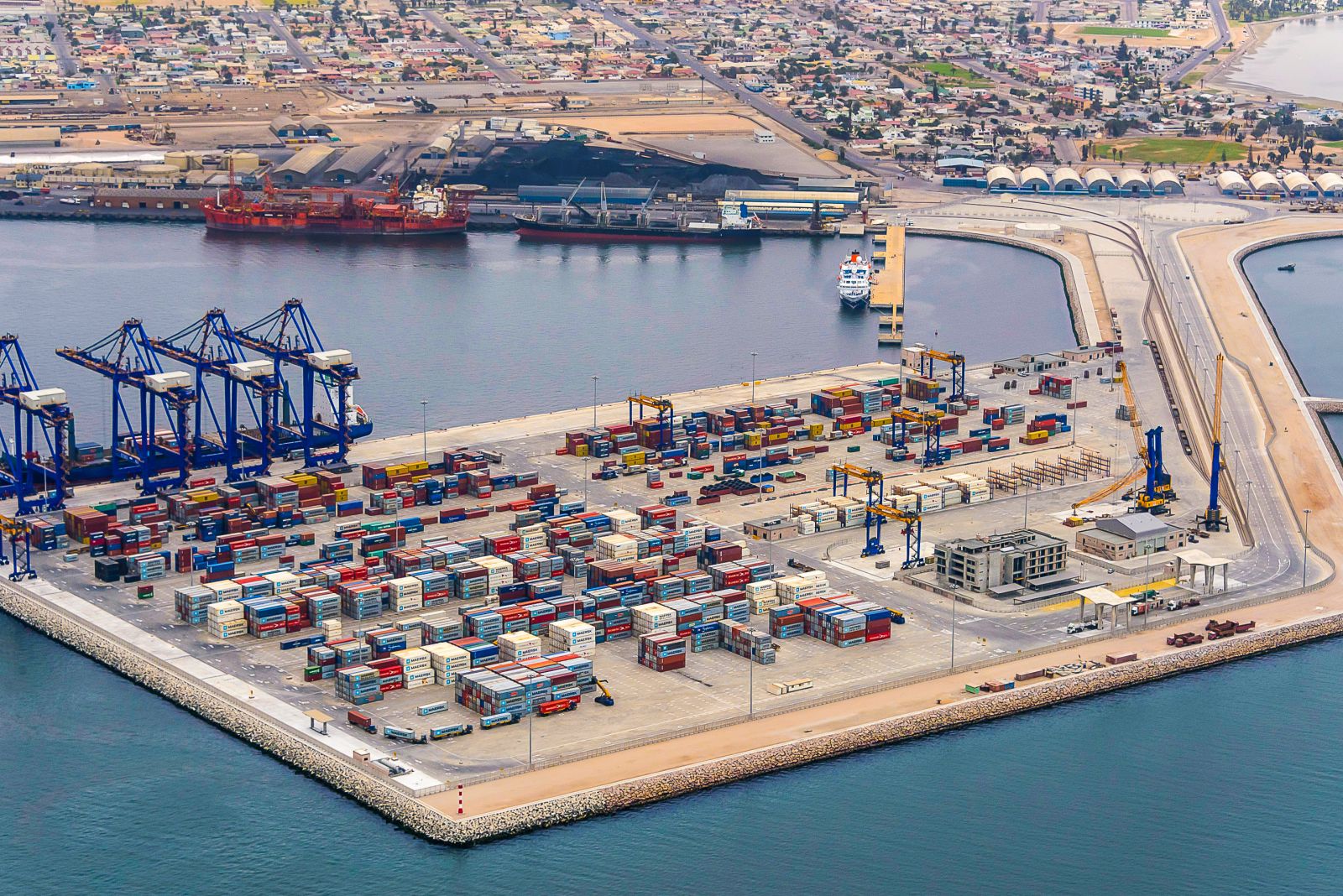
The Namibian Ports Authority has rejected a proposal by a Ghanaian-led consortium to develop an N$4-billion (about US$244 million) oil and gas supply base at the Port of Lüderitz, dealing a setback to the company’s expansion plans in Namibia’s emerging offshore energy industry.
 Black News

The Namibian Ports Authority has rejected a proposal by a Ghanaian-led consortium to develop an N$4-billion (about US$244 million) oil and gas supply base at the Port of Lüderitz, dealing a setback to the company’s expansion plans in Namibia’s emerging offshore energy industry.
- Namport has rejected Alpha Nautical Services Limited's proposal to develop an oil and gas supply base at the Port of Lüderitz, citing lack of financial strength and operational experience.
- Anol, led by Ghanaian entrepreneur Jory Adu-Boahene, denies these claims and argues that its local compliance was unfairly used against it.
- Namport was particularly concerned about Anol's ability to finance the project and its lack of a proven track record in oil and gas supply base management.
- Namport also rejected the proposed location within the port, and the decision is expected to open the door for a new competitive bidding process for the project.
According to local media outlet The Namibian, the project, led by Alpha Nautical Services Limited, also known as Anol, was designed to support offshore exploration, production and logistics as Namibia expands infrastructure for its emerging petroleum industry.
However, Namport concluded that Anol had not demonstrated the financial strength, technical expertise, delivery capacity and operational experience needed to develop and manage the facility.
The project is a partnership between Namport and the Namibia Industrial Development Agency, which Namibia’s Cabinet tasked in 2025 with finding a private developer for a 25-year design, build, own, operate and transfer concession.
Namport chief executive Andrew Kanime said the authority based its assessment on documents submitted by Anol.
“Namport has since carried out an assessment of Anol’s capacity based on a review of the documents available on Anol’s data room,” Kanime writes.
He added: “Therefore, our considered assessment based on the submission made is that Anol does not meet the technical capability and track record requirements for the set-up and operation of an oil and gas supply base at Lüderitz,” the letter reads.
DON'T MISS: China targets Namibia’s oil, uranium and lithium in fresh strategic partnership
Earlier negotiations over ownership
The rejection follows months of negotiations over the N$4-billion project.
In February 2026, the Namibia Industrial Development Agency (Nida) said it planned to hold a 51% stake, while Adu-Boahene and other partners would share the remaining 49%.
Nida’s acting chief executive, Phillip Namundjebo, met Adu-Boahene and Namport chief executive Andrew Kanime in Walvis Bay to discuss the project’s implementation, governance and ownership structure.
The project had also attracted interest from businessman Josef Andreas, who said he was conducting due diligence to help raise the required capital.
Andreas previously chaired Guinas Investments, a company linked to Namibia’s ruling Swapo party, which had also sought involvement before Namport rejected its unsolicited proposal.
At the time, disagreements had emerged over whether the supply base should proceed through a state-led consortium or an open competitive process, an issue that has resurfaced following Namport’s rejection of Anol’s proposal.
DON'T MISS: Shell wraps up Namibia drilling as Africa’s newest oil hotspot enters a decisive phase
Anol rejects findings
Meanwhile, Anol denied that it lacked the financial, technical or operational capacity to deliver the project.
The company is owned by Ghanaian entrepreneur Jory Adu-Boahene, who is active in marine logistics and offshore energy support services across West and Southern Africa, and works with Namibian partners.
Adu-Boahene said the consortium established a Namibian entity to comply with local ownership requirements.
“Anol established a Namibian entity rather than proceeding through a foreign structure, to comply with Namibian laws, which in turn has been used by Namport to understate and disparage Anol’s capability and past experience,” he said.
He also questioned the consistency of Namport’s evaluation process.
“It is worth noting that Namport has recently awarded a similar project to a 100% foreign entity, Soneils, raising questions about consistency in their evaluation criteria and perhaps circumvention of Namibian laws, and punishing entities that comply with Namibian law.”
DON'T MISS: Namibia named Africa’s top destination for authentic travel
Funding and experience concerns
Namport said the consortium’s letter of intent did not prove that it had access to the required funding.
“A simple letter of intent is not sufficient at this stage to make an informed assessment on financial capacity,” Kanime says in the letter.
The authority said Anol should have provided details on equity contributions, debt arrangements, committed financiers, sponsor support and guarantees.
Namport also questioned Anol’s record in the oil and gas industry.
“Namport’s initial review indicates that Anol, as a legal entity, has no verifiable operating experience or track record in oil and gas supply base management,” Kanime says.
By contrast, Adu-Boahene said Anol’s sponsors had extensive industry experience and links to LADOL, a logistics base in Lagos serving international oil companies.
Namport also rejected the proposed Robert Harbour site, saying its shallow waters and hard-rock seabed would make dredging expensive and restrict heavy-lift operations.
The decision could now pave the way for an open competitive process as Namibia seeks investors capable of supporting its offshore oil ambitions and strengthening its position in Africa’s energy market.