New Chapter for Multicultural Engagement in South Australia
A new phase in South Australia’s multicultural engagement is underway following the first official meeting…
 Black News
A new phase in South Australia’s multicultural engagement is underway following the first official meeting between the South Australian Multicultural Commission and Nadia Clancy, who has recently taken on the multicultural affairs portfolio.
The meeting, which took place on Thursday 9 April 2026, marks a transition in leadership, as Zoe Bettison steps down from the role after a period of active engagement with diverse communities across the state. Her tenure is widely associated with strengthening dialogue between government and multicultural groups, and reinforcing the importance of inclusion within South Australia’s social fabric.
This leadership change comes at a time when multicultural communities—particularly African diaspora groups—are becoming more visible, organised and influential in shaping public conversations. Across South Australia, African communities have been steadily building structures that support cultural identity, economic participation and youth engagement. Community councils, cultural associations and grassroots initiatives continue to play a critical role in bridging communities with government institutions.
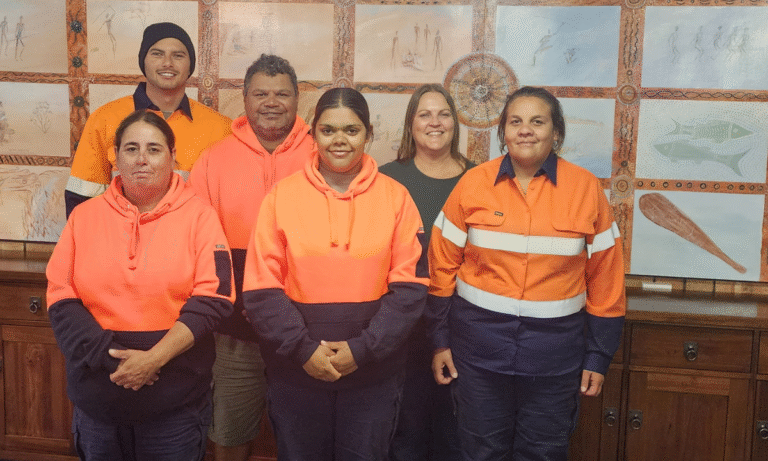
Attendees of the meting posing together fora photo
The appointment of a new minister presents an opportunity to deepen this engagement. It signals continuity in the recognition that multicultural communities are not just participants, but contributors to policy conversations and social development. Early interactions between leadership and community representatives suggest a willingness to maintain open channels of communication and collaboration.
Looking ahead, key community events will serve as important platforms for strengthening these relationships. One such moment will be the upcoming Africa Day celebrations, organised by community leaders and associations, which continue to grow as a symbol of unity, culture and shared identity among African Australians. These gatherings not only celebrate heritage but also provide space for dialogue, visibility and partnership.
As South Australia continues to evolve as a multicultural society, transitions like this highlight the importance of sustained engagement, mutual respect and inclusive leadership. For many communities, the expectation remains clear: that their voices will continue to be heard, valued and reflected in the decisions that shape their future.