Nigeria’s telecom boom pushes consumer airtime spending past $5.6 billion amid data surge
Nigeria’s telecom subscribers spent an estimated N9 trillion, about $5.67 billion at current exchange rates, on airtime and data services in 2025, as rising internet consumption and tariff increases boosted revenues for the country’s largest operators.
 Black News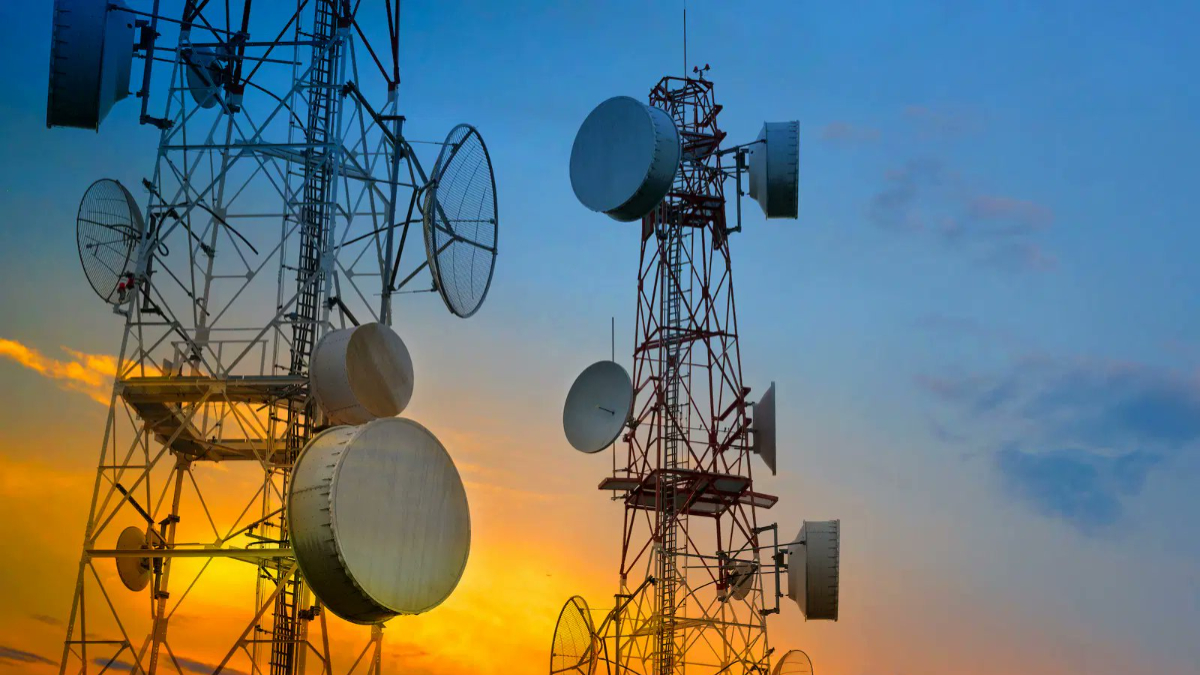
![MTN Nigeria and Airtel Nigeria reported strong earnings growth as smartphone adoption and internet usage accelerated. [X, formerly Twitter/DailySun]](https://ocdn.eu/pulscms/MDA_/d1a9cf3367d7f80d833cda0331e0b2a0.jpg)
Nigeria’s telecom subscribers spent an estimated N9 trillion, about $5.67 billion at current exchange rates, on airtime and data services in 2025, as rising internet consumption and tariff increases boosted revenues for the country’s largest operators.
- Nigerians spent an estimated $5.67 billion on airtime and data services in 2025, boosting revenues for major telecom operators.
- MTN Nigeria and Airtel Nigeria reported strong earnings growth as smartphone adoption and internet usage accelerated.
- The surge followed telecom tariff increases approved by regulators alongside rising demand for digital services.
- Consumer groups, however, say worsening network quality continues to frustrate subscribers despite record industry revenues.
The spending surge helped telecom companies, led by MTN Nigeria and Airtel Nigeria, post strong revenue growth despite persistent consumer complaints over poor network quality and service disruptions.
MTN Nigeria, the country’s largest telecom operator, generated about N5.3 trillion, roughly $3.34 billion, in revenue from its 90.3 million subscribers for the financial year ended December 31, 2025. The performance helped the company return to profitability, with profit after tax reaching N1.11 trillion, equivalent to around $699 million.
Airtel Nigeria reported revenue of about N3.1 trillion, or approximately $1.95 billion, from its 60.9 million subscribers during its financial year ended March 31, 2026. Industry estimates suggest that Globacom and T2/9mobile generated nearly N2 trillion, about $1.26 billion combined, from airtime and data services during the same period.
The sharp rise in revenue was largely driven by higher Average Revenue Per User (ARPU), a key telecom metric that measures monthly subscriber spending on voice, data, and digital services.
MTN said its monthly ARPU rose to $3.60 in 2025 from $2.17 a year earlier. In naira terms, average monthly spending per subscriber climbed to N5,184 from N3,542.
The operator’s total revenue increased by 55.1% year-on-year to N5.2 trillion, supported by stronger smartphone adoption and growing internet penetration across its network.
MTN said active data subscribers grew by 11.6%, while smartphone penetration rose to 66.1%. Data traffic increased by 34%, with average monthly data usage per customer rising by 20% to 13.1GB.
The company also expanded its 4G coverage to 84.6% of the population as it accelerated investment in network infrastructure.
Airtel Nigeria also reported significant growth in customer spending. Monthly ARPU rose to $2.40 in 2025 from $1.70 in 2024, while average spending in local currency climbed to N3,326 from N2,599.
The company said revenue grew by 52.8% in reported currency terms to $1.6 billion, supported by strong demand for data services and tariff increases approved by regulators.
“The constant currency revenue growth was driven by ARPU growth of 36.7% and customer base growth of 9.4%,” Airtel said in its financial statement.
Nigeria’s data boom grows
Data revenue at Airtel rose by 63.6%, with average customer data usage increasing by 30.8% to 11GB monthly from 8.4GB in the previous year.
The rise in consumer spending followed a 50% telecom tariff adjustment approved by the Nigerian Communications Commission, NCC, in early 2025. The increase raised the cost of SMS, voice calls, and mobile data bundles across the industry.
The price of SMS rose from N4 to N6, while voice and internet tariffs were adjusted upward across operator networks.
At the same time, Nigeria’s growing appetite for digital services continued to fuel data consumption.
NCC Executive Vice Chairman, Aminu Maida, recently disclosed that Nigerians now consume about 45,800 terabytes of data daily, reflecting growing reliance on streaming platforms, digital payments, e-commerce, and online services.
According to the regulator, total data consumption in March 2026 reached 1.42 million terabytes, up from 995,000 terabytes during the same period in 2025.
“In March 2026 alone, Nigerians consumed over 1.42 million terabytes of data,” Maida said, adding that the increase was equivalent to more than 15 million hours of high-definition video streamed daily.
However, the rapid rise in data usage has also intensified pressure on telecom infrastructure, contributing to poor service quality in parts of the country.
The NCC said operators have committed to upgrading 12,000 network sites in 2026 to improve capacity and network performance.
Industry analysts said the revenue growth reflects Nigeria’s accelerating digital transformation, in which consumers increasingly rely on mobile broadband for entertainment, banking, e-commerce, and business activities.
Public affairs analyst Musa Lekan Alebiosu said mobile broadband had become the main growth driver for telecom companies as consumers shift from traditional voice services to internet-based activities such as video streaming and fintech usage.
Consumer groups, however, argue that the sharp increase in subscriber spending has not translated into meaningful improvements in service quality.
President of the National Association of Telecommunications Subscribers, Chief Deolu Ogunbanjo, said operators should channel more of their earnings into strengthening network infrastructure to address persistent complaints over dropped calls, slow internet speeds and unstable connections.
Analysts also noted that while telecom companies posted record revenues, network infrastructure remains under pressure from rising demand, leaving subscribers frustrated despite increased industry investment.