NIL Money Is On The Table—But Most Black Athletes Can’t Reach It. One Educator Is Changing That.
Did you know that there’s $1.2 billion in NIL money up for grabs? Did you also know that most Black and Brown college athletes can’t access it (no shocker there)? […] The post NIL Money Is On The Table—But Most Black Athletes Can’t Reach It. One Educator Is Changing That. appeared first on Essence.
 Black News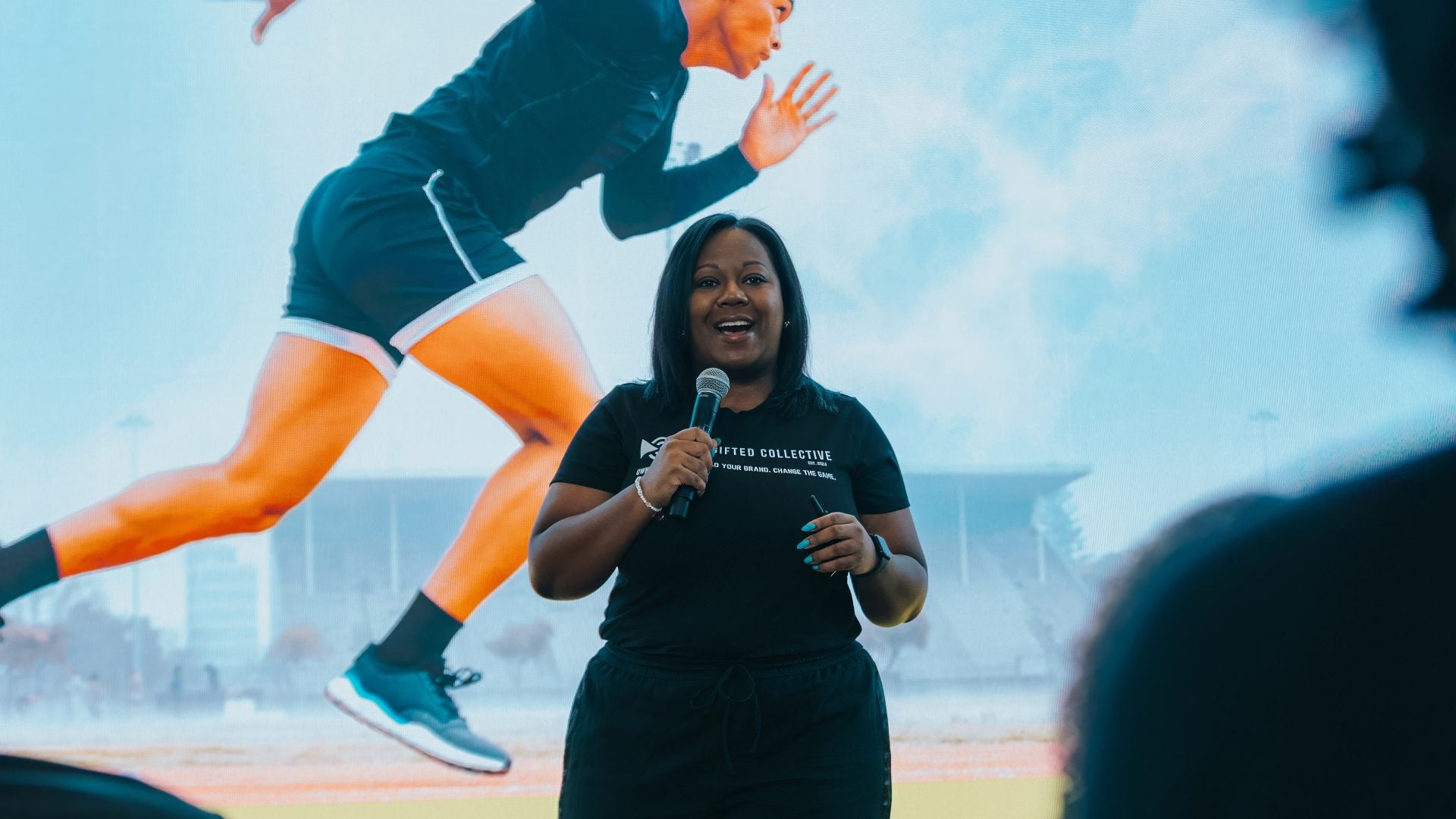

 By Kimberly Wilson ·Updated November 24, 2025 < /> Getting your Trinity Audio player ready…
 Did you know that there’s $1.2 billion in NIL money up for grabs? Did you also know that most Black and Brown college athletes can’t access it (no shocker there)? And it’s not because the money isn’t there, but instead, like most things in our communities, it’s because nobody taught them how to look.
This is the gap that Andrea Brown decided to stop accepting.
Brown founded The Gifted Collective, a Houston-based communications firm focused on media training and NIL education for athletes. She’s spent enough time in this space to see the pattern clearly: young athletes from under-resourced communities, especially those at HBCUs and smaller schools, are expected to navigate a multibillion-dollar economy with no map, no mentor, and no safety net. So she built Fair Play, a digital course that’s relaunching this month, just before National Signing Day hits on December 3rd.
Signing Day is always a pivot point. For the high school athletes who make it to that moment, you suddenly have visibility you never had before. And if you’re not prepared for what comes with attention—not just potential money, but media requests, brand outreach, and the pressure of becoming “a name”—you can get exploited quickly.
“NIL is still very much in its wild wild west era,” Brown says.
“The rules are changing quickly, new opportunities appear every day, and many young athletes are navigating major visibility without the support they need.” Early NIL conversations, she points out, were all about contracts and compliance. Nobody was really talking about how to tell your story without getting played, or how to protect yourself when attention comes fast.
The misconceptions around NIL are just as damaging as the lack of access. When most people think NIL, they picture elite athletes with massive deals. But the actual data shows that 57% (which is a major percentage) of disclosed NIL deals are worth between $0 and $100. And the average sits under $22,000.
“The biggest misconception is that NIL is simply ‘pay for play’ and only applies to star athletes at powerhouse schools,” Brown explains. “This leads many people to assume that athletes at HBCUs, smaller schools, or in non-revenue generating sports have nothing to gain.” But they do — the opportunities are simply smaller, more local, and less visible. You just have to know how to find them.
What really gets in the way, though, is much simpler. “Many athletes from under-resourced communities do not have access to agents, marketing teams, or mentors who can guide them through NIL opportunities or the spotlight they bring,” Brown says. “They are expected to navigate complex digital, media, and branding expectations on their own. Without support, the playing field becomes uneven.”
And that unevenness is the most dangerous right now, in the lead-up to Signing Day. This is when attention spikes, when inboxes >adidas Community LAB came at the right moment. Brown applied sort of on a whim (as she calls it), got accepted in fall 2024, and ended up getting connected with mentors and other entrepreneurs working on equity in sports. “It ended up being one of the biggest blessings for me and for The Gifted Collective,” she says. “The program connected me with mentors, resources, and a network of entrepreneurs who helped sharpen my vision and push my work forward.” The validation that someone else saw what she was doing as necessary, changed how she approached the relaunch.
The goal isn’t to make every athlete rich, but instead make sure that when opportunities show up, they’re ready. Right now, kids at Duke or Ohio State have entire teams helping them navigate this terrain. Fair Play is built for everyone else.
The post NIL Money Is On The Table—But Most Black Athletes Can’t Reach It. One Educator Is Changing That. appeared first on Essence.