NWSC in race to handle water shortages as Greater Kampala continues to expand
On August 14, the National Water and Sewerage Corporation (NWSC) broke barriers to hold a national stakeholder engagement at their International Resource Centre in Bugolobi. It aimed at showcasing the successes, challenges and opportunities for the entity. From the onset, no one clearly knew what to expect given the delicate nature by which most government […] The post NWSC in race to handle water shortages as Greater Kampala continues to expand appeared first on The Observer Media Ltd.
 Black News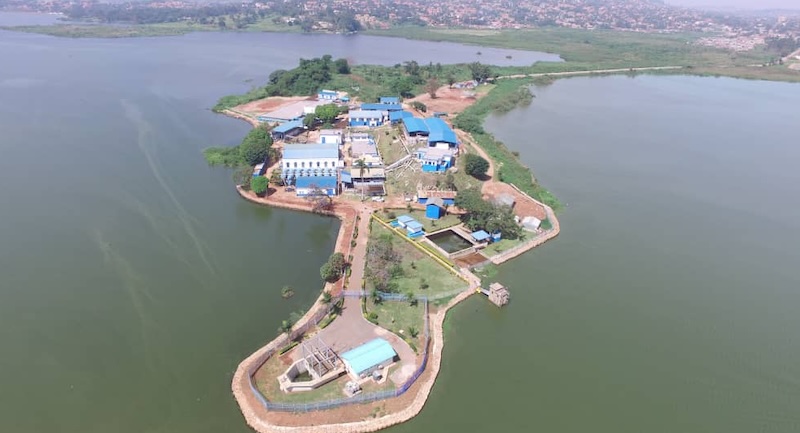


On August 14, the National Water and Sewerage Corporation (NWSC) broke barriers to hold a national stakeholder engagement at their International Resource Centre in Bugolobi.
It aimed at showcasing the successes, challenges and opportunities for the entity. From the onset, no one clearly knew what to expect given the delicate nature by which most government entities operate.
This involved a media tour around NWSC projects around greater Kampala but, most importantly, a media round table highlighting the impact of water and sanitation infrastructure on communities and Uganda’s social and economic transformation.
With the NWSC top brass present, the announcement was clear; pour out your hearts and we pour out our souls. Such was the engagement that at the end of the day, the light was clear at the end of the tunnel for everyone in attendance.
For one, it is now clear that NWSC is facing mounting pressure to keep pace with Kampala’s rapid growth, with water shortages, inadequate sewerage infrastructure, metal theft and disruption caused by roadworks emerging as some of the major challenges affecting service delivery.
While the corporation has made significant progress in expanding water services, sewerage infrastructure has not grown at the same pace, leaving parts of the city struggling with inadequate sanitation and intermittent water supply.
Eng Mahmood Lataaya, the general manager NWSC Kampala, says Greater Kampala’s rapid expansion, both outward and upward, has placed additional pressure on the corporation’s infrastructure.
“There has been significant growth, both in terms of the city, but also in terms of the efforts government has made to make sure that the residents of Kampala are able to receive services,” he says.
He said sewerage services had particularly failed to keep pace with the growth in water services, making nonsewered sanitation an important part of the corporation’s service delivery.
The corporation is also grappling with water-stressed areas, particularly in the western parts of Kampala and surrounding areas such as Nansana, Kawempe, Buloba, Buddo, Matugga and Kakiri.
“The city is growing both in terms of radius, but also upwards, especially in the central business district. It means that we have to upgrade the small pipes that we had,” he said.
On his part, Eng Dr Silver Mugisha, the NWSC managing director, said the corporation is targeting 1.25 million countrywide water connections by 2030.
He said the length of the corporation’s main water pipes has increased from about 6,000km to 25,000km, with plans to reach 30,000km in the next five years. The corporation’s service footprint has also grown from 23 towns to 290 towns, while the population served has increased from 4.5 million to about 22 million people.
Mugisha said NWSC hopes to increase the number of Ugandans served to 25 million within the next five years. The corporation’s assets under management have also grown from about Shs 580 billion to Shs 5 trillion, with a target of Shs 6.2 trillion.
Mugisha said the corporation has increasingly relied on internal expertise to design systems and implement projects instead of paying external consultants. He said several projects have been designed by NWSC staff, while the corporation has also developed a number of its digital systems internally.
“We are one of the most digitalised institutions in this country. Who has designed the systems? Developing systems internally has helped the corporation reduce costs while strengthening local technical capacity,” he said.
He said the corporation was able to restore its billing and electronic payment systems within about a day because its staff understood the systems and were able to respond quickly.
Mugisha said NWSC has also changed how it manages risks after determining that conventional insurance was costing the corporation more than the value of claims received.
He said the corporation was previously paying about Shs2.5 billion annually in insurance premiums while receiving an average of about Shs400 million in claims. NWSC subsequently shifted from risk transfer to risk retention by establishing its own risk management company and fund.
geofreyserugo1992@gmail.com
The post NWSC in race to handle water shortages as Greater Kampala continues to expand appeared first on The Observer Media Ltd.