Over 85% of Malawi Schools Lack Internet Access, New Report Warns of Growing Education Inequality
The Ministry of Education, Science and Technology in Malawi has launched the School Connectivity Landscape Analysis Report, revealing major gaps in the country’s digital education ......
 Black News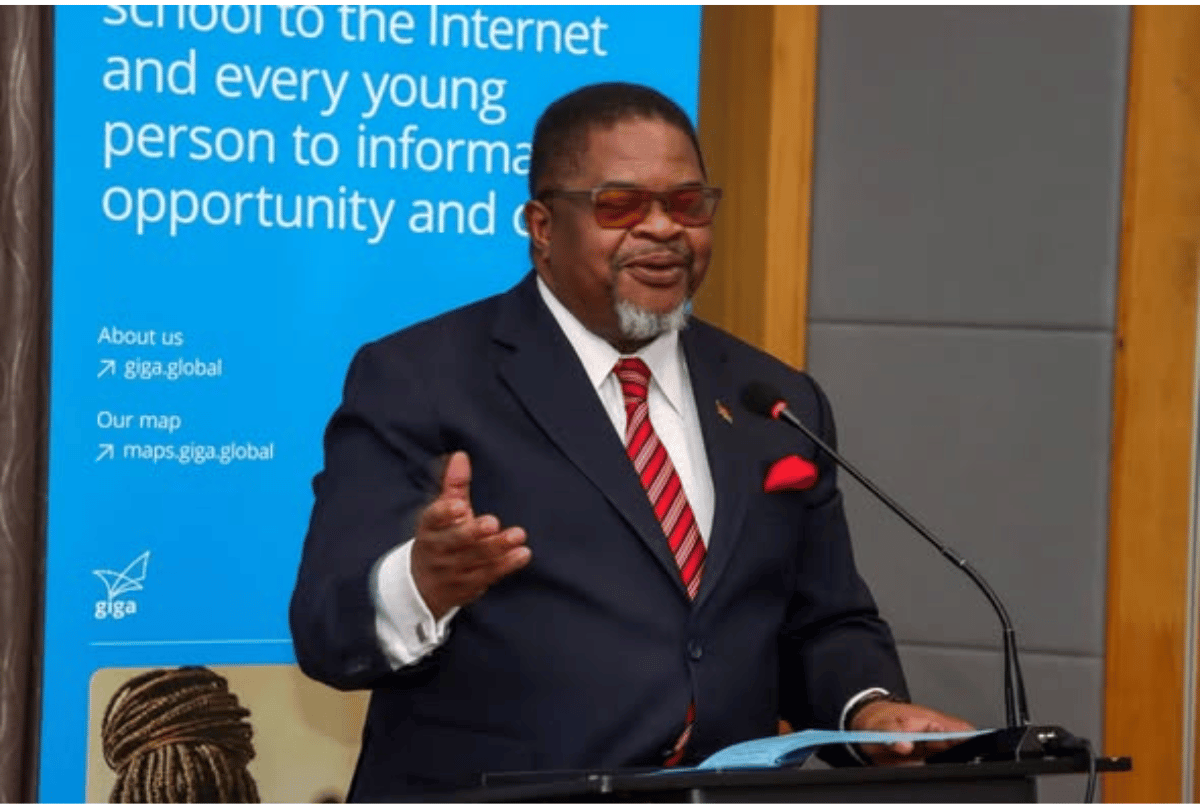
The Ministry of Education, Science and Technology in Malawi has launched the School Connectivity Landscape Analysis Report, revealing major gaps in the country’s digital education infrastructure and highlighting the scale of the challenge facing schools nationwide.
The report, which assessed 8,939 schools serving more than six million learners, found that 85.8% of schools lack internet access, while 46.9% do not have electricity. Even in locations where connectivity exists, services are often unreliable, limiting effective digital learning.
Speaking at the launch event in Lilongwe, Minister of Education, Science and Technology Bright Msaka described the findings as critical in shaping future interventions. He emphasized that the gaps go beyond infrastructure, affecting access to opportunities, equity in education, and national competitiveness.
The minister called for practical and scalable solutions, including stronger digital infrastructure, sustainable funding through mechanisms such as the Universal Service Fund, and increased investment in teacher capacity and system maintenance. He also urged universities to play a greater role as centres of innovation to support the country’s digital transformation agenda.
Also addressing the event, Minister of Information and Communications Technology Shadric Namalomba stressed the urgency of bridging the digital divide, noting that access to electricity remains a foundational requirement for any meaningful digital transformation in schools.
The report builds on progress made through the UNICEF–International Telecommunication Union Giga initiative, which has mapped school locations using verified GPS data and introduced real-time monitoring tools. However, stakeholders noted that implementation must accelerate to match the country’s digital ambitions.
Penelope Campbell highlighted that connectivity alone is insufficient to transform learning outcomes. She emphasized the need for a holistic approach that combines reliable power, affordable devices, and sustainable financing models.
The government reaffirmed its commitment to advancing digital transformation in education through initiatives such as the Building Education Foundations through Innovation and Technology (BEFIT) project, alongside stronger coordination across the education, ICT, and energy sectors.