PARCEM Director Alleges Plot to Frame Him, Calls for Release of Detained Workers
“I have never owned, do not own, and will never own firearms. My struggle has always been for good governance, respect for the law, and development,” says Faustin Ndikumana.
 Black News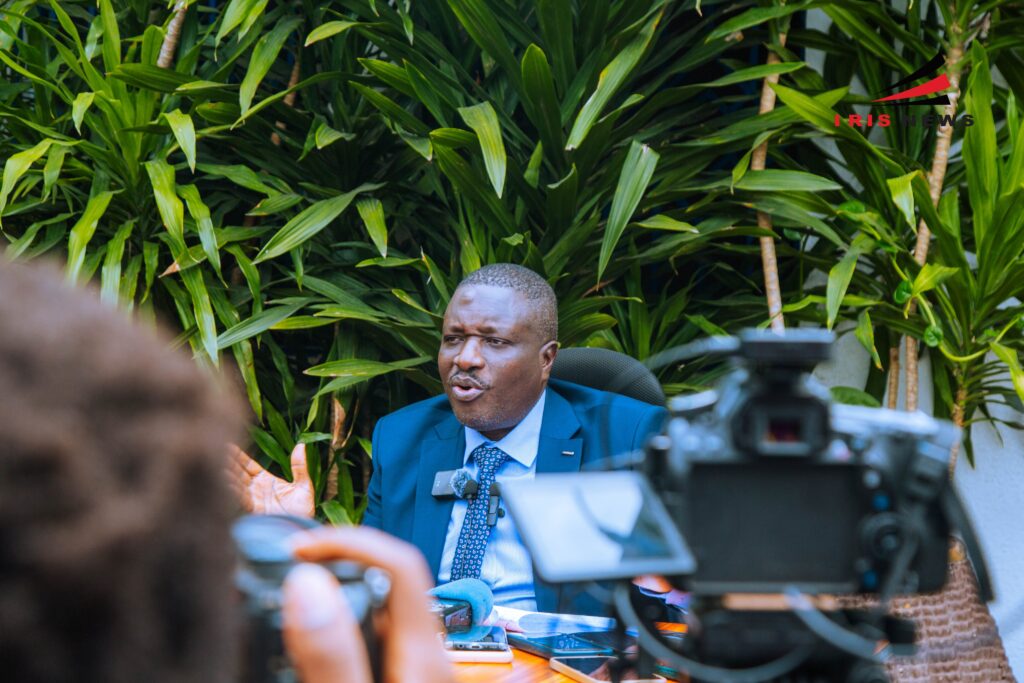
The head of the Burundian civil society organization PARCEM, Faustin Ndikumana, has alleged that unidentified individuals sought to implicate him in a criminal case by planting firearms and military equipment at his bar in northern Burundi.
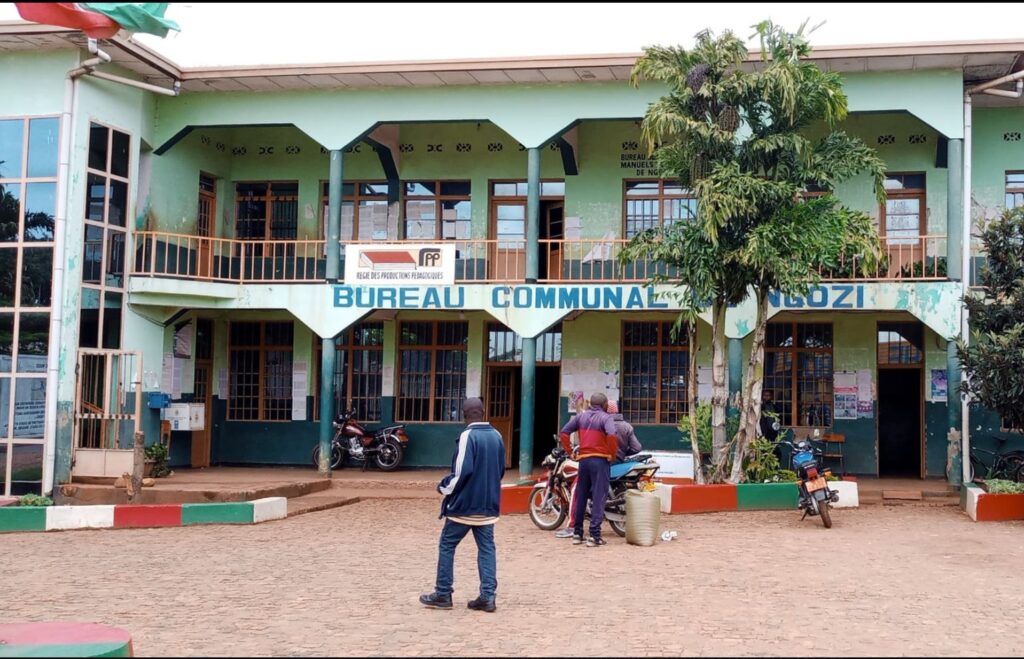
Speaking to journalists on Friday, Ndikumana said the incident occurred on the night of May 17, 2026, in Kinyami neighborhood of Ngozi Commune, Butanyerera Province, where he owns a pub known as “Butanyerera”.
According to Ndikumana, an unidentified individual entered the establishment carrying a rifle and a bag containing grenades and military equipment. The items were allegedly hidden in a corner of the premises where charcoal was stored.
He believes the perpetrators intended to alert police authorities so that a search conducted the following day would uncover the weapons on his property, potentially leading to accusations of illegal firearms possession and offenses against state security.
“It is a shame,” Ndikumana said.
According to his account, the weapons were later discovered by the pub’s security officer, who informed the manager and other employees. The staff subsequently notified the police, who confiscated the weapons and detained six employees for investigative purposes.
Ndikumana said the six workers remain in detention despite not being formally charged, suggesting that there may be ulterior motives behind the case.
He criticized authorities for keeping the employees in custody and for closing the bar, despite the matter reportedly being discussed during a routine security meeting held the day after the incident. According to Ndikumana, a police officer present at the meeting explained how the events had unfolded.
“What we want to tell Burundians and the international community is that Faustin Ndikumana has never owned, does not own, and will never own firearms. That is not my struggle,” he said. “My struggle has always been good governance, respect for the law, and finding ways to achieve development and pull the country out of crisis.”
A Prominent Government Critic
Faustin Ndikumana is one of Burundi’s most outspoken civil society figures. Through PARCEM, the governance-focused NGO he leads, he has frequently spoken out on corruption, economic challenges, public governance, and other issues affecting the country.
His candid criticism of state policies and institutions—rare in Burundi’s tightly controlled political environment—has often drawn sharp rebukes from senior government officials and members of the ruling elite.
The latest allegations come against the backdrop of a strained relationship between him and senior government officials.
In November 2025, Burundi’s President Évariste Ndayishimiye publicly criticized Ndikumana while responding to his comments on government inaction regarding various national challenges.
Addressing residents in Butanyerera Province, Ndayishimiye questioned Ndikumana’s experience in commenting on certain aspects of governance, citing his unmarried status and lack of family responsibilities.
A few days later, Finance Minister Alain Ndikumana also criticized the activist, accusing him of seeking social media attention through his criticism of government policies.
Earlier that year, Prime Minister Nestor Ntahontuye similarly challenged Ndikumana, arguing that civil society actors should demonstrate their commitment to economic development through tangible investments and entrepreneurship rather than criticism alone.
Call for Justice
The national director of PARCEM argued that such incidents damage Burundi’s international reputation and undermine confidence in its institutions.
“This is criminality, but also foolishness on the part of those who still think they can do such things today,” he said. “They do not realize how much this damages the country’s image and the credibility of its institutions. How can an investor invest in a country where such things happen and where people are imprisoned unjustly?”
He called on senior judicial officials to intervene and secure the unconditional release of the six workers, noting that some were supporting their families while others hoped to continue their education.
Ndikumana also suggested that the alleged plot may be linked to his public criticism of governance issues, although he said he could not confirm such a motive.
“I do not know whether this is a plan to harm me because of what I denounce,” he said. “Yet the issues I raise are also highlighted by others, including Parliament, the Head of State in the OBUHA case, the secretary-general of the ruling party, and the Minister of Finance.”
Despite the controversy, Ndikumana insisted he would continue his advocacy work.
“I accuse myself of nothing,” he said. “On the contrary, I believe I contribute enormously to the country’s development. If you think I am fighting against the country, then you are mistaken.”
Authorities have not publicly responded to Ndikumana’s allegations at the time of publication.