I Told TSA Not to Scan My Face
The facial scan was optional. Nobody mentioned that. Most people never realize they have a choice.
 Black News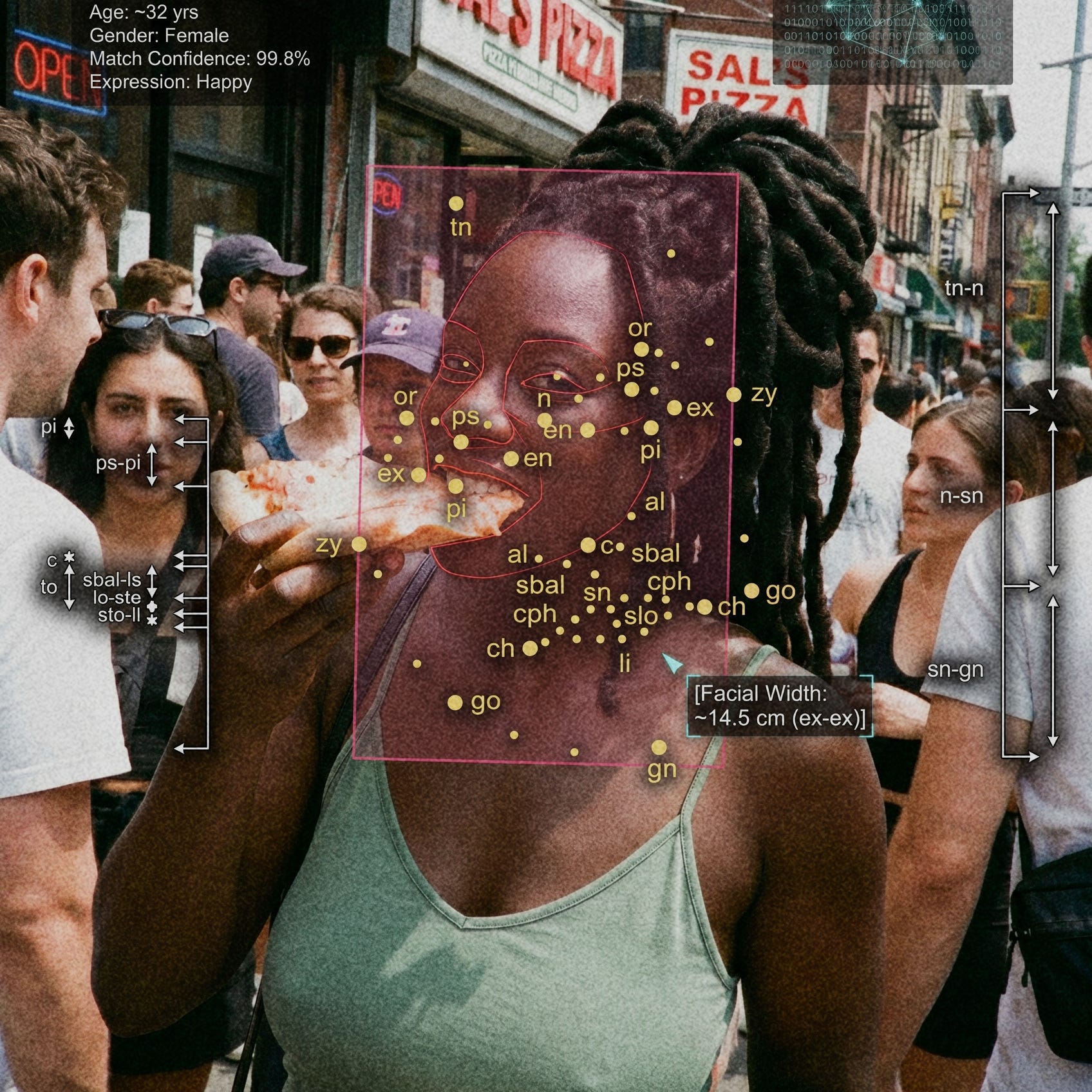
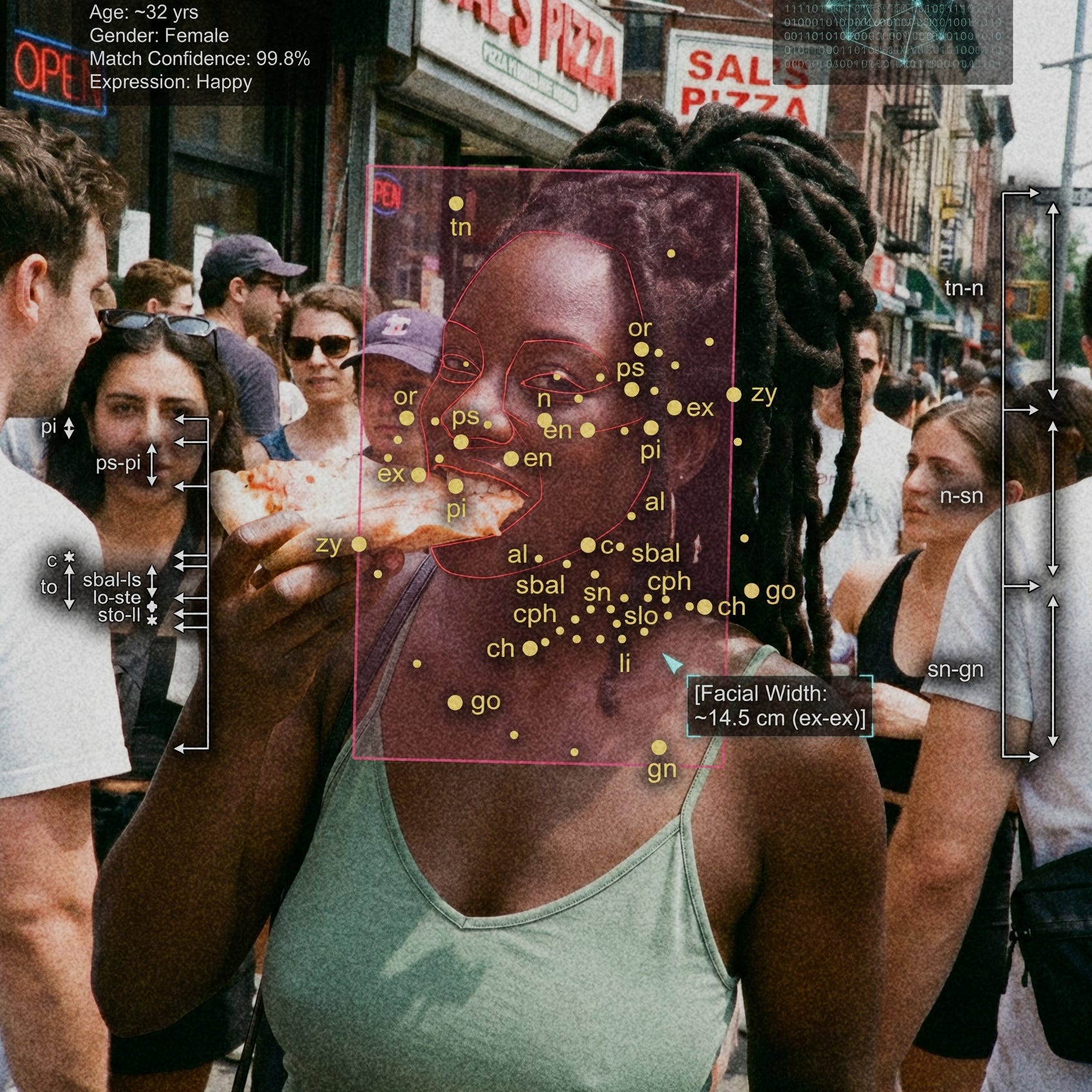
The first time I opted out of facial recognition at the airport, nothing happened. I told the TSA agent I declined the facial scan and asked for a manual ID check. They processed my ID and waved me through. No delay, no escalation, no consequence. That moment mattered not because it was dramatic, but because it revealed how quietly consent has been reframed. TSA facial recognition is optional. That is official policy. Most travelers do not know this. The system relies on assumption rather than force. The camera is already there, the line is moving, and no one tells you there is a choice.
The harms of biometric surveillance are not evenly distributed. Facial recognition systems have repeatedly been shown to misidentify Black and Brown faces at significantly higher rates than white faces. In benchmark testing, darker-skinned women experienced error rates as high as 34.7 percent compared to under 1 percent for lighter-skinned men, a disparity documented in the MIT Media Lab’s Gender Shades study and summarized in civil liberties reporting on algorithmic bias. Federal testing by the National Institute of Standards and Technology has similarly found that some facial recognition algorithms produce false positives for certain demographic groups at rates orders of magnitude higher than others, meaning misidentification risk is not evenly shared.
The consequences of these errors are not abstract. In the United States, there have been multiple documented cases of people being wrongfully arrested based on facial recognition matches, and in nearly every known case the person misidentified was Black. The ACLU has reported on at least seven confirmed wrongful arrests tied directly to facial recognition errors, including the case of Robert Williams, who was arrested in front of his family in Detroit after police relied on a faulty algorithmic match. In another case, a man was jailed for two days in New York City after the NYPD used facial recognition to misidentify him as a suspect in an unrelated crime. Once a false match enters a law enforcement system, the burden shifts. Individuals are expected to disprove an automated claim they cannot audit, inspect, or meaningfully challenge. Legal advocates and researchers have warned that facial recognition used in policing exacerbates racial disparities and increases the likelihood of wrongful detention and investigation, particularly for communities already subject to over-policing.
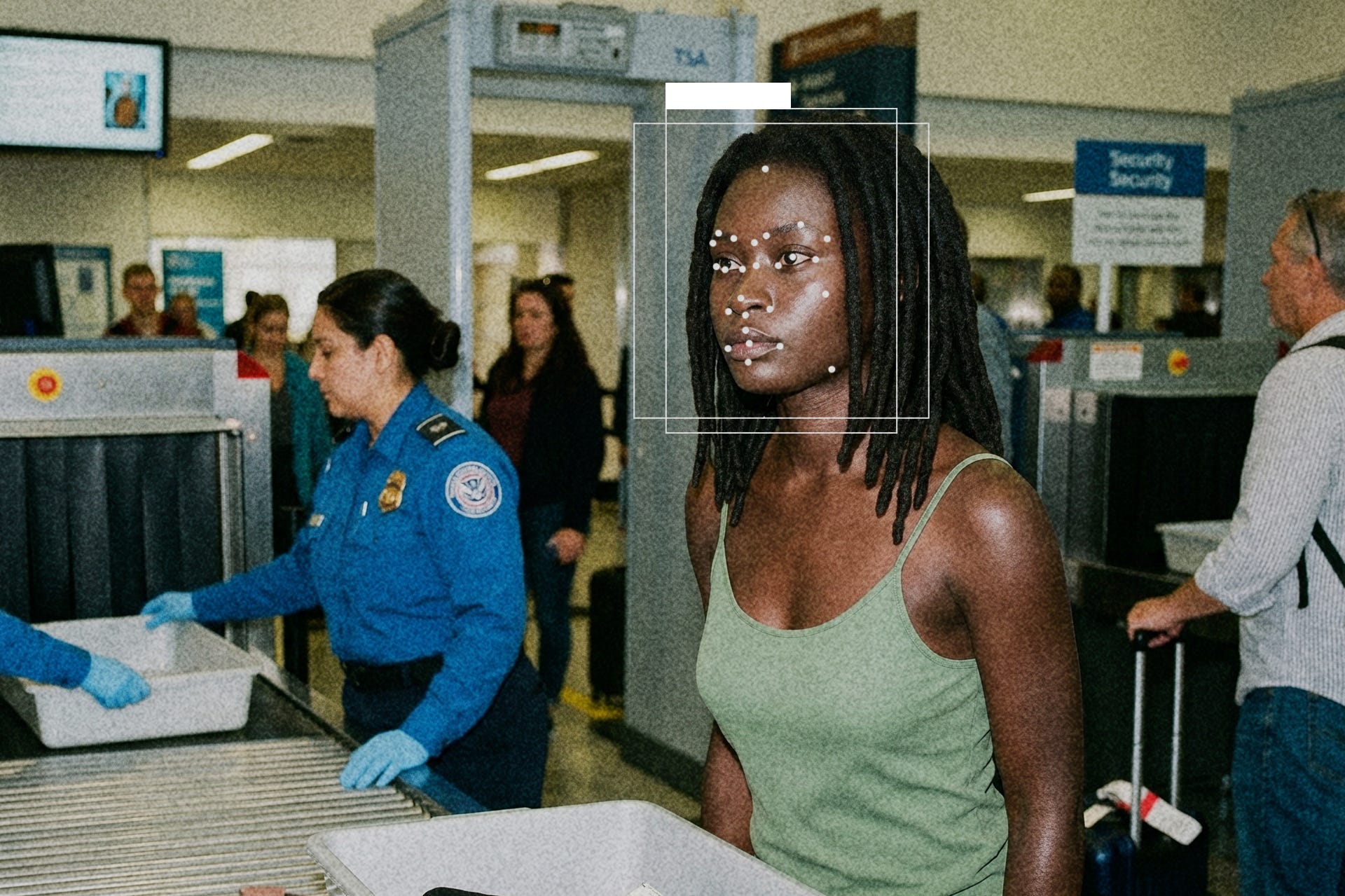
Federal immigration enforcement compounds this risk. Agencies such as ICE and Customs and Border Protection deploy mobile biometric tools that allow agents to scan faces in the field and compare them against government databases, effectively turning routine encounters into biometric enforcement actions. Civil liberties organizations have documented how these practices contribute to surveillance and intimidation in immigrant communities, often without meaningful transparency or accountability.
This is how biometric systems normalize themselves. Opting in is seamless. Opting out requires awareness. Airports are not the core problem. They are a training ground. They condition people to accept biometric interaction in environments where compliance already feels mandatory. Once that behavior is normalized, it scales outward. From there, your face stops being a way to verify identity and becomes an indexable object.
Unlike TSA, many facial recognition systems never ask. Companies like Clearview AI, PimEyes, FaceCheck.ID, EyeMatch, and others have built massive facial recognition databases by scraping publicly available images from the internet. Social media, news articles, personal websites, anywhere a face appears. You did not enroll. You were not notified. You did not consent. Your biometric identifier exists in these systems because someone else uploaded an image of you once. This is where the concept of consent collapses. Your face becomes infrastructure without your participation.
Under legal pressure, some of these companies now offer opt-out or deletion mechanisms. These processes exist, but they are brittle. Most require you to upload a photo of yourself to confirm identity. Opting out often means providing more biometric data. Even when removal is granted, it is conditional. If your images remain publicly accessible online, they can be re-ingested later. If datasets refresh, you may need to submit requests again. In many jurisdictions, companies are not legally required to honor these requests at all. Opting out becomes ongoing labor.
CLEAR is often mentioned in these conversations, but it is structurally different. CLEAR is explicitly opt in. You pay, you enroll knowingly, and according to its policy, you can request deletion of your biometric data when you cancel. That distinction matters because it proves something important. Consent-forward biometric systems are possible. They are simply incompatible with business models built on extraction.
Opting out of facial recognition will not remove you from surveillance capitalism. It will not erase your digital shadow. It will not stop institutions from investing in these systems. What it does is reassert agency in places designed to eliminate it. It disrupts the assumption that biometric capture is inevitable. It forces systems to recognize refusal. The real question is not whether you can opt out, but why extraction is the default and refusal requires vigilance. Opting out is not a solution. It is a signal. And signals matter in systems designed to make them disappear.
How to Opt Out in Practice
TSA Facial Recognition
TSA facial recognition is optional. Before presenting your ID, clearly state that you decline facial recognition and request a manual ID check.
You do not need to give a reason.
Official guidance and traveler advocacy resources:
CLEAR
CLEAR is optional. You never have to enroll.
If already enrolled, cancel your membership and submit a request to delete your biometric data through CLEAR’s privacy process.
Clearview AI
Submit an opt out or deletion request through Clearview’s privacy portal.
Note that public images may be re scraped in the future if they remain online.
PimEyes
Submit an opt out request using their form. You will need to upload a photo to identify indexed results.
FaceCheck.ID
Request removal of indexed images through their “Remove My Photos” page:
EyeMatch
Submit an opt out request here.
Corsight
Withdraw consent by contacting the data controller directly via email.
Important Context
Opt outs are not permanent exits.
Any publicly accessible photo of you can be re-ingested.
Monitoring and repeat requests may be necessary.
Legal protections vary widely by jurisdiction and are inconsistently enforced.
Opting out is work. That is not accidental. The fact that it is still possible is one of the few remaining ways to assert that your face is not public infrastructure by default.



![Jim Beam Fuels Fans Ahead Of World Cup With ATL Kickoff Party & Buzzy Block Bash [Exclusive]](https://bossip.com/wp-content/uploads/sites/28/2026/04/17751633884306.jpg?quality=80&strip=all&w=1024&crop=0,0,100,683px#)