Power Imbalance in Law: Causes, Examples, and Impact on Legal Justice
Power Imbalance in law is a state of social inequality between the two parties that are involved. This could be between the rich and the poor, the ruling party and the opposing party, or even the government and the citizens. It is a case where one has more access than the other and uses it as a leverage to their advantage. This imbalance shapes legal disputes in a series of ways. By influencing the outcome of situations, it can also cause pressure on the lower party and force them out of the dispute. Imbalance of power does that and a whole lot more. Disputes on properties, breach of contracts between an individual and a corporation, etc., are some of the issues and legal cases that lead to the use of power unfairly. This, however, can be reduced to a certain extent when the right measures are applied. Understanding Power Dynamics The power dynamics are on constant display in society, from something as little as a teacher grading a student unfairly to a government seizing land without consent for development purposes. Whether big or small, all of these are displays of power and are fueled by the same components. These are: Position or Hierarchy: This power dynamics takes place more in an organisation, industry, or company, where the one in higher authority tramples on the individual with a lesser position. This happens just because they can do so, and might as well not be cautioned or questioned by the victim, because they fear their position might be at risk. This causes the person in the lower position to be at the mercy of the individual in the higher position. When the dynamic for power display is positional, it often causes toxicity and unease for the affected person or persons. Access to Wealth and Resources: This power dynamic is often relational to parties where there is a large financial margin that separates one from the other. Most times, what happens in this case is in favour of the wealthy person. The party, person, or organisation with less access to funds and resources is either bought at a price, forced to settle, back out, or even shy away from every form of dispute. Social Status: This power dynamic comes with a lot of legal system bias. It can also take many shapes or forms, like being based on race, gender, or even age. In this case, society already perceives one as better than the other on general grounds, and it gets even more uneven or unfair when it turns into a legal dispute. Historical Legal Crises Some historical legal crises of power dynamics include: Post World War 1 Legal Instability: After the First World War came to an end in 1918, many international institutions found it difficult to resolve disputes between states, showing the ineffectiveness of global legal frameworks during the interwar period of the 20s and 30s. The OJ Simpson Trial: The O. J. Simpson murder trial happened between 1994 and 1995. The case showed how legal strategy, media attention, and public opinion can have an effect on high-profile criminal proceedings. In his case, the justice system not only failed but was highly affected by public opinion. This was because there was 24/7 media coverage of this legal case. The Dreyfus Case: The Dreyfus Affair (1894-1906) was about Alfred Dreyfus (a French army officer), who was wrongly accused and convicted of treason. Evidence later emerged to prove his innocence. While the military had more than enough evidence to prove his innocence, they suppressed that information just so the reputation of the military would be saved over justice. Kent State Student Massacre: This took place in 1970 when the Ohio National Guard attacked Kent State students who were peaceful protesters. The government wasn’t held accountable and claimed it was a way to instill peace and order in society in their defense. The voices of the students were silenced by their own government, using firearms on its own citizens. Role of Media Scrutiny Media scrutiny plays an effective role in how power imbalance impacts legal disputes. This is because the media has a voice, and when used properly, can work in the favour of the public, the marginalized, and fight against injustice. Power Accountability: Media scrutiny can impact legal disputes by holding power accountable, calling out, and exposing cases of imposition or oppression on the powerless. This goes a long way in combating corruption because of the legal risks involved for those who are in power. It can damage their career and ruin their reputation when brought into the light. Promotes Transparency and Credibility: Media scrutiny plays a major role in the promotion of transparency and credibility. How this happens is that when the media carries out thorough investigations, there’s an exposure of illicit acts, like the embezzling of public funds, unacceptable behaviour, and so much more. The presence of this scrutiny forces accountability and promotes credibility. Focus on Balance: W
 Black News
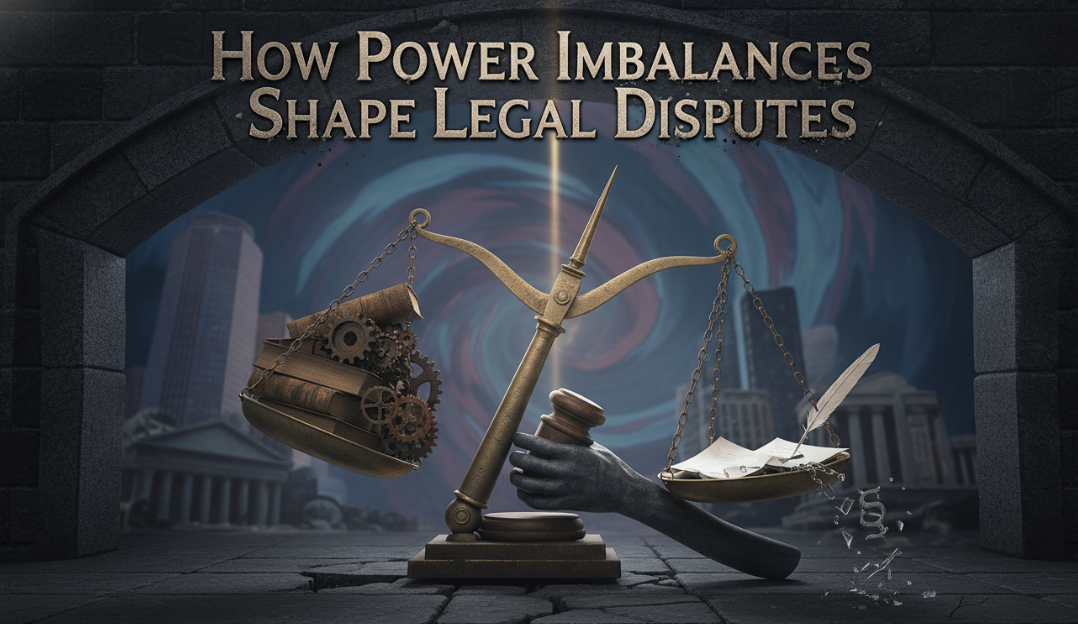
Power Imbalance in law is a state of social inequality between the two parties that are involved. This could be between the rich and the poor, the ruling party and the opposing party, or even the government and the citizens. It is a case where one has more access than the other and uses it as a leverage to their advantage.
This imbalance shapes legal disputes in a series of ways. By influencing the outcome of situations, it can also cause pressure on the lower party and force them out of the dispute. Imbalance of power does that and a whole lot more.
Disputes on properties, breach of contracts between an individual and a corporation, etc., are some of the issues and legal cases that lead to the use of power unfairly. This, however, can be reduced to a certain extent when the right measures are applied.
Understanding Power Dynamics
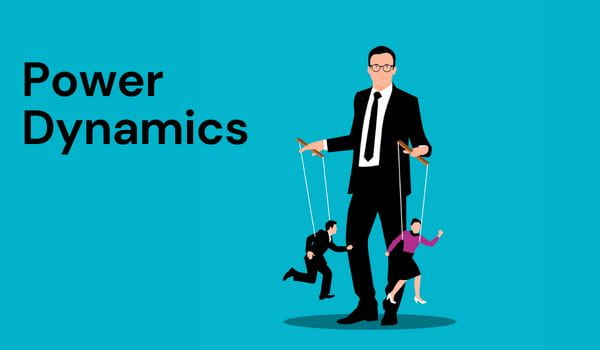
The power dynamics are on constant display in society, from something as little as a teacher grading a student unfairly to a government seizing land without consent for development purposes. Whether big or small, all of these are displays of power and are fueled by the same components. These are:
Position or Hierarchy: This power dynamics takes place more in an organisation, industry, or company, where the one in higher authority tramples on the individual with a lesser position. This happens just because they can do so, and might as well not be cautioned or questioned by the victim, because they fear their position might be at risk.
This causes the person in the lower position to be at the mercy of the individual in the higher position. When the dynamic for power display is positional, it often causes toxicity and unease for the affected person or persons.
Access to Wealth and Resources: This power dynamic is often relational to parties where there is a large financial margin that separates one from the other. Most times, what happens in this case is in favour of the wealthy person. The party, person, or organisation with less access to funds and resources is either bought at a price, forced to settle, back out, or even shy away from every form of dispute.
Social Status: This power dynamic comes with a lot of legal system bias. It can also take many shapes or forms, like being based on race, gender, or even age. In this case, society already perceives one as better than the other on general grounds, and it gets even more uneven or unfair when it turns into a legal dispute.
Historical Legal Crises
Some historical legal crises of power dynamics include:
Post World War 1 Legal Instability: After the First World War came to an end in 1918, many international institutions found it difficult to resolve disputes between states, showing the ineffectiveness of global legal frameworks during the interwar period of the 20s and 30s.
The OJ Simpson Trial: The O. J. Simpson murder trial happened between 1994 and 1995. The case showed how legal strategy, media attention, and public opinion can have an effect on high-profile criminal proceedings. In his case, the justice system not only failed but was highly affected by public opinion. This was because there was 24/7 media coverage of this legal case.
The Dreyfus Case: The Dreyfus Affair (1894-1906) was about Alfred Dreyfus (a French army officer), who was wrongly accused and convicted of treason. Evidence later emerged to prove his innocence. While the military had more than enough evidence to prove his innocence, they suppressed that information just so the reputation of the military would be saved over justice.
Kent State Student Massacre: This took place in 1970 when the Ohio National Guard attacked Kent State students who were peaceful protesters. The government wasn’t held accountable and claimed it was a way to instill peace and order in society in their defense. The voices of the students were silenced by their own government, using firearms on its own citizens.
Role of Media Scrutiny
Media scrutiny plays an effective role in how power imbalance impacts legal disputes. This is because the media has a voice, and when used properly, can work in the favour of the public, the marginalized, and fight against injustice.
Power Accountability: Media scrutiny can impact legal disputes by holding power accountable, calling out, and exposing cases of imposition or oppression on the powerless. This goes a long way in combating corruption because of the legal risks involved for those who are in power. It can damage their career and ruin their reputation when brought into the light.
Promotes Transparency and Credibility: Media scrutiny plays a major role in the promotion of transparency and credibility. How this happens is that when the media carries out thorough investigations, there’s an exposure of illicit acts, like the embezzling of public funds, unacceptable behaviour, and so much more. The presence of this scrutiny forces accountability and promotes credibility.
Focus on Balance: When the media scrutinizes those in power, it allows for those without power, or lower positions, even to get the focus they need. A state where their voices are heard, where the focus is not entirely on those with access to funds and resources. This creates a healthy balance in society, where both the powerful and powerless get to have their views aired.
It Changes the Narrative: With media scrutiny in place against the powerful, and the powerless getting a say, it tends to change the entire narrative. This is because, at this point, the government can’t force a perspective on the public to soothe their interests. The public is informed enough to make their own decisions and empowered enough to form their own opinion independent of government force.
Access to Justice Issues

Justice feels like a privilege and an overpriced commodity for people in societies with social disparity, which is most likely every society. Here are some challenges the less privileged and marginalized face, with power imbalance at play.
Lack of Finances: Industrial, legal, or political disputes are financially draining. Every step takes a financial toll on the party with less access to funds. Legal representatives are very expensive. This goes further to make it almost impossible for the poor to access legal justice on their own behalf.
Information Gap: Most people do not have the legal know-how needed to have a fair case. There’s a low percentage of legal literacy amongst citizens, and this makes it almost impossible for them to speak up when their rights are infringed. Even in cases where the marginalized decide to speak up, they face the hurdle of complexity, as navigating court cases can be really hard.
Social Barrier: Access to justice inequality in social and cultural settings has a lot of issues. The cases of gender inequality play a major role, where some cases work in favour of one gender and another against it. This goes beyond gender and finds its way into racial discrimination, where people from a particular race are treated differently from people of other races.
Public Perception
Public perception strongly influences how power imbalances impact legal disputes. The public has a way of pressuring legal bodies, especially in cases where these disputes have media coverage. Some effects of Public perception include:
Pressure to Settle Disputes: Public perception has an impact on legal disputes, especially when it has media coverage. Public opinion is mostly moved by emotion, so these cases may end up working in favour of the lower or higher party.
In cases where the public is against the party with power, and it causes reputational damage, they might quickly get off the case to prevent further damage. This is not the same outcome for cases where the lower party is not supported by the media, maybe due to some biased reasons like sex, race, etc.
Change of Laws: The public can move for the change of law or policies when involved in a legal dispute. This happens mostly when these legal cases are emotionally charged. Public perception of how power imbalances impact legal institutions has led to many policy changes, like Black Lives Matter, which was a movement born out of public perception.
This level of influence goes to show that when the public comes together against or for a particular force, there’s a high level of change that can be effected.
Flawed Judicial System: Public perception doesn’t always look like a push for change, or pressure for settlements; those are mostly achieved when the people come together under one voice to effect a change. What happens when it’s a case or dispute without media coverage, or one where it’s one individual alone against an organisation? Cases like that don’t always turn out well.
This is because there’s fear of bias and negative outcomes even before judgment is passed, because of stories of others heard in the past. Even in these cases, trust in the legal system is lost due to doubts about fairness and equality being served.
Why Imbalance Matters
Imbalance matters for various reasons, and they are
Erosion of Trust: Power imbalances can lead to severe erosion of trust. This often makes people shy away from seeking legal justice, simply because they do not trust the justice system to work in their favour. A society where trust in justice is eroded is a breeding ground for chaos in the long run, as this affects the well-being of the society.
When power imbalance is always on display and prevails, it carries with it the sense of inequality and unfairness in the legal system. When this happens, public confidence to a very great extent is weakened, and social cohesion is dropped drastically.
Predetermined Outcomes: Imbalance matters because it foretells the outcome of a legal case. This dynamic doesn’t only influence the outcome of results, no, it does more than that. It goes further to impact society by reinforcing inequality and making it the order of the day.
When the government and those with access to resources already know that, with their power, they can obviously get away with almost any negative act, they do more. It’s only normal for them to want to see just how far they can go.
Increased Corruption: Power imbalance only breeds more power imbalance. With access to resources, parties with power tend to carry out more negative acts against the powerless. The weak individuals or organisations experience increased oppression, things like labour practices, contracts being breached without fear of being convicted, and much more.
As long as a power imbalance exists, those in power will keep enjoying the fruits of injustice at the expense of those with limited access to wealth, justice, and fairness in general.
Conclusion
People can only rely on a legal system when they believe that everyone has equal and impartial access to justice. The existence of power imbalances in law raises concerns about access to justice inequality and legal system bias. Fair legal representation and transparent institutions are part of what’s needed to fix these challenges.