Reintroduction of tribunal system not to revive excesses of PNDC era- A-G
The Attorney-General and Minister of Justice, Mr Dominic Ayine, has assured Parliament that the reintroduction of the tribunal system will not revive the excesses associated with tribunals established during the PNDC era. He said the proposed tribunals, provided for under the 1992 Constitution, would safeguard the rights of citizens while complementing the work of the … The post Reintroduction of tribunal system not to revive excesses of PNDC era- A-G appeared first on Ghanaian Times.
 Black News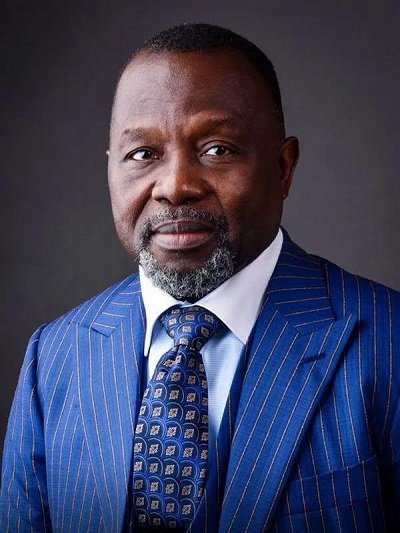
The Attorney-General and Minister of Justice, Mr Dominic Ayine, has assured Parliament that the reintroduction of the tribunal system will not revive the excesses associated with tribunals established during the PNDC era.
He said the proposed tribunals, provided for under the 1992 Constitution, would safeguard the rights of citizens while complementing the work of the judiciary.
Mr Ayine gave the assurance on the floor of Parliament on Wednesday during the second reading of the Tribunal Bill, 2026.
According to the joint committee on Constitutional, Legal and Parliamentary Affairs and the Judiciary, the bill seeks to provide for the establishment, jurisdiction, composition and operation of tribunals in accordance with the 1992 Constitution.
It also proposes a Tribunal Oversight Committee to monitor and evaluate the operations of regional and district tribunals.
“Mr Speaker, the tribunals have a history in our country and I believe that the political history of this country cannot be written without the role that public tribunals played in the past,” Mr Ayine said.
He acknowledged public concerns over the proposed tribunals, saying: “Mr Speaker, there is a certain concern that has been raised that the excesses of the past associated with the tribunals will be brought back into play, including the arbitrary manner of the administration of justice.”
Mr Ayine said the bill had been fine-tuned to address those concerns, adding that incorporating tribunals into the constitutional framework would strengthen the justice system and promote citizen participation.
He explained that each tribunal would operate through a panel chaired by a lawyer qualified to be a High Court or Circuit Court judge and appointed by the Chief Justice, alongside two other members.
The Attorney-General also stressed that the establishment of regional and district tribunals was not intended for political prosecution.
However, the Member of Parliament for Damongo, Mr Samuel Abdulai Jinapor, opposed the bill, arguing that the reintroduction of tribunals would revive memories of abuses suffered by Ghanaians during the PNDC era.
He said there was no need for tribunals because the existing court system had effectively administered justice under the Fourth Republic.
“Mr Speaker, we have proceeded on the basis of the provisions of the 1992 Constitution to have High Court, Circuit Court, Appeal Court, Magistrate Court and District Court, and it has served us well. So why the sudden need to establish regional tribunals?” Mr Jinapor asked.
He urged the government to strengthen and resource the existing courts to clear the backlog of cases instead of creating tribunals.
Meanwhile, the Speaker of Parliament, Mr Alban Sumana Kingsford Bagbin, urged legislators to consider the bill with open minds rather than allowing historical perceptions to influence their judgment.
“You can’t just generalise that once you hear the word tribunal, it’s something bad and it must be rejected,” he said, adding that tribunals existed at the international and traditional levels.
He urged Parliament to scrutinise the bill thoroughly, removing provisions that could permit abuse while retaining those that could strengthen Ghana’s justice delivery system.
BY BENJAMIN ARCTON-TETTEY
Follow our WhatsApp Channel now! https://whatsapp.com/channel/0029VbAjG7g3gvWajUAEX12Q

The post Reintroduction of tribunal system not to revive excesses of PNDC era- A-G appeared first on Ghanaian Times.