Russia finally imports gasoline from an African country as Ukrainian drone strikes squeeze fuel production
Russia has imported about 30,000 metric tonnes of gasoline from Morocco as Moscow searches for alternative supplies following repeated Ukrainian attacks on its oil refineries.
 Black News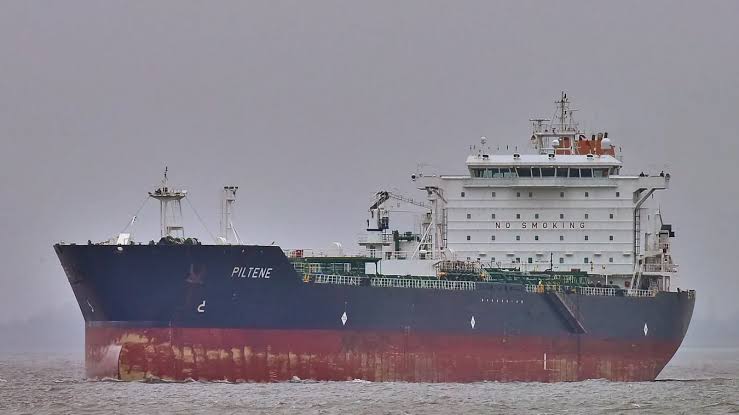


Russia has imported about 30,000 metric tonnes of gasoline from Morocco as Moscow searches for alternative supplies following repeated Ukrainian attacks on its oil refineries.
- Russia imported 30,000 metric tonnes of gasoline from Morocco to compensate for refinery disruptions caused by Ukrainian attacks.
- This marks Morocco as the first African country publicly known to supply seaborne gasoline to Russia during its current fuel crisis.
- The gasoline was loaded at Tangier and shipped to Murmansk, with Lukoil reportedly supplying the cargo.
- Morocco's move positions it as a key regional energy and logistics hub, while other African refiners like Nigeria, Algeria, and Angola are being considered as future suppliers.
The shipment makes Morocco the first African country publicly identified as supplying seaborne gasoline to Russia during the latest fuel crisis, placing the continent within a rapidly shifting international energy trade.
According to Reuters, a Panama-flagged tanker loaded the AI-92 gasoline at Morocco’s Port of Tangier in mid-July before sailing to Russia’s Arctic port of Murmansk, with two industry sources identifying Russian oil producer Lukoil as the cargo’s supplier.
Meanwhile, data from the St Petersburg International Mercantile Exchange showed that AI-92 gasoline was being offered for rail delivery from Kola station, which serves Murmansk port.
Morocco becomes Russia’s first reported African supplier
The purchase marks a significant development for Africa, which has increasingly sought a larger role in global refined-fuel trade rather than remaining primarily an exporter of crude oil.
Morocco is not a major crude producer, but its ports, storage facilities and proximity to European shipping routes have strengthened its position as a regional energy and logistics hub.
For Russia, however, the purchase represents an unusual reversal. The country is one of the world’s largest oil producers and exporters, yet it has been forced to import refined fuel as Ukrainian drone strikes disrupt its domestic refining network.
By early July, Russia’s gasoline production had fallen to about 65% of average summer consumption.
Industry estimates indicated that refineries were producing between 40,000 and 45,000 tonnes less gasoline than the country required each day.
Ukrainian attacks squeeze domestic supplies
Consequently, Russian authorities restricted fuel sales in several regions, increased imports from Belarus and Kazakhstan and halted exports of gasoline and other petroleum products.
Moscow also redirected supplies from other parts of the country to protect major urban centres as shortages and prices increased.
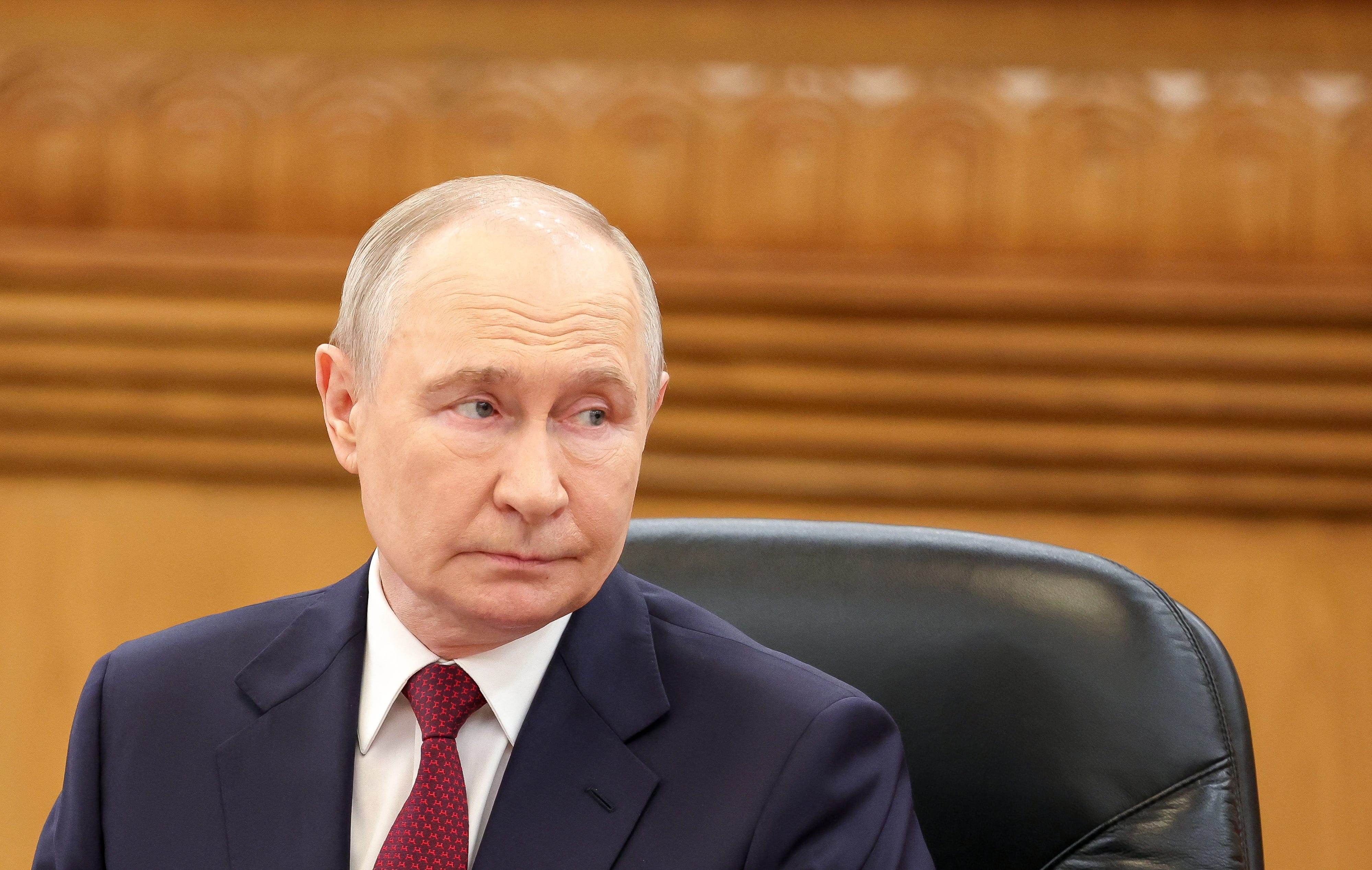
President Vladimir Putin acknowledged the pressure in June, saying: “Right now we’re observing a certain shortage, but it’s not critical.”
He also admitted that attacks on energy infrastructure were creating difficulties, while maintaining that the government was working to stabilise the domestic market.
Subsequently, Deputy Prime Minister Alexander Novak confirmed that Russia would begin importing oil products to offset refinery outages and rising seasonal demand.
DON'T MISS: Africa’s most populous market now boasts cheaper locally produced fuel compared to imported petrol
African refiners gain attention
Before sourcing fuel from Morocco, Moscow had already begun importing gasoline from India by sea.
At least 60,000 tonnes were reportedly dispatched, while Russia considered purchasing as much as 400,000 tonnes a month from several suppliers.
Business Insider Africa previously identified Nigeria, Algeria and Angola as potential African suppliers should Russia widen its search for refined petroleum products.
Nigeria’s Dangote Refinery has sharply expanded Africa’s refining capacity, while Algeria operates major facilities, including the Skikda refinery. Angola has also increased production following the development of the Cabinda refinery.
Nevertheless, potential exports to Russia would depend on sanctions exposure, shipping costs, insurance, payment arrangements and fuel specifications.