Russia’s state-owned nuclear giants eyes Congo with new power projects
Rosatom, Russia's state-owned nuclear energy powerhouse, is exploring new energy investments in the Republic of the Congo, with plans to develop two small modular hydropower facilities to improve electricity supply in underserved areas.
 Black News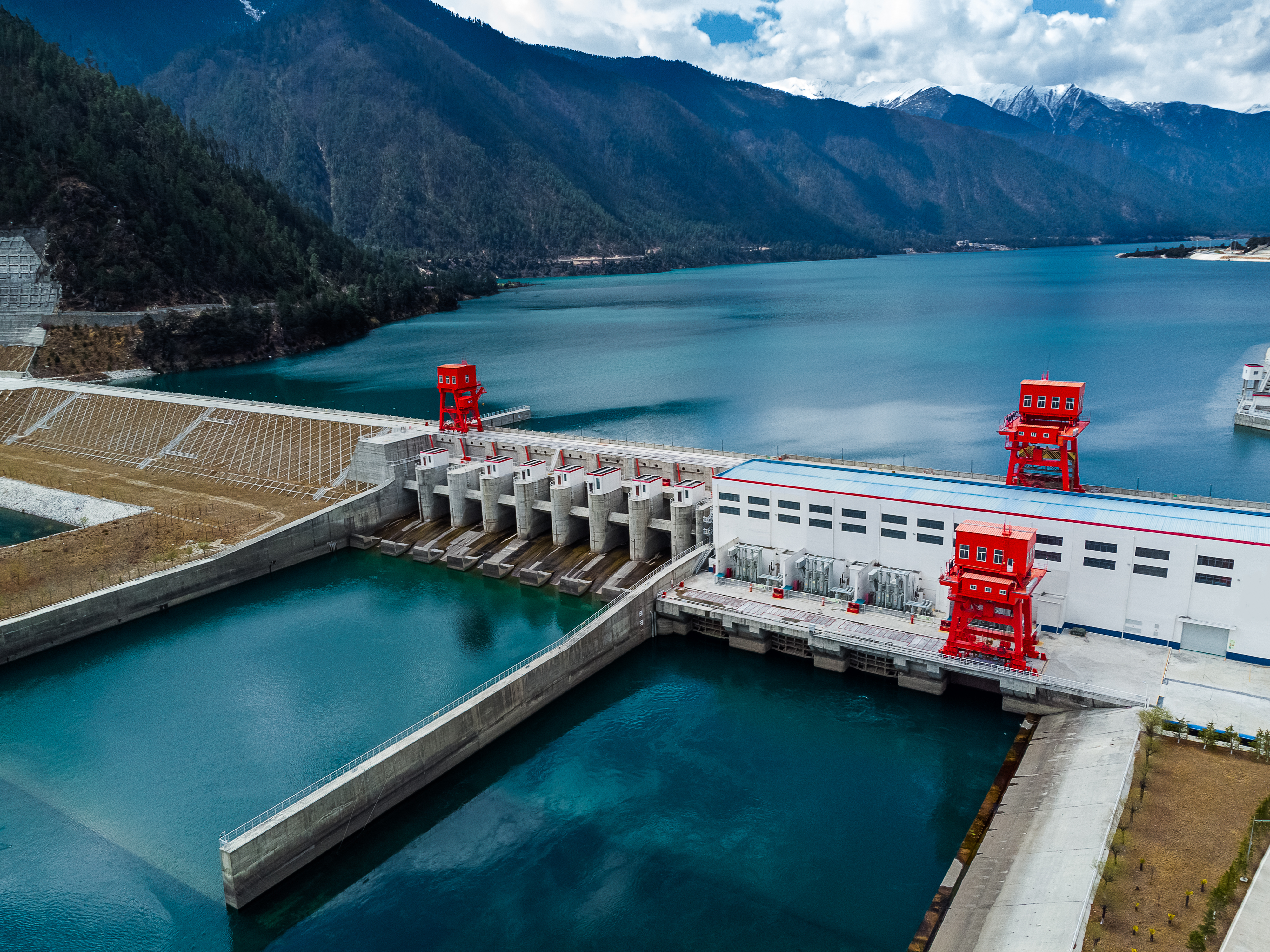


![Aerial view of an hydropower station. [Stock Photo/Getty Images]](https://ocdn.eu/pulscms/MDA_/e0118f7ecfbf35fd9529736b8d949d09.jpg)
Rosatom, Russia's state-owned nuclear energy powerhouse, is exploring new energy investments in the Republic of the Congo, with plans to develop two small modular hydropower facilities to improve electricity supply in underserved areas.
- Rosatom plans to build two small modular hydropower facilities in the Republic of the Congo to improve the electricity supply in underserved areas.
- The project targets rural and remote regions with limited access to national power grids and features a combined capacity of 2.6 megawatts.
- Modular designs will enable faster deployment, lower costs, remote monitoring, and high security for these facilities.
- This initiative is part of a growing Russian presence in Congo, including recent energy and infrastructure agreements reached in 2024.
A Russian delegation led by Deputy Prime Minister Alexander Novak recently visited and discussed the proposed facilities, which have a total capacity of 2.6 megawatts, as seen on African Initiative.
The project is intended to provide reliable power to rural and hard-to-reach regions where access to national grids is limited.
According to Rosatom, the modular design of the facilities allows for faster deployment and lower initial costs than traditional infrastructure.
DON'T MISS THIS: Putin stands as the first world leader to congratulate his African friend on a major victory
“The project under discussion to build container-type mini hydropower plants is ideally suited to the conditions of the Republic of the Congo: they can be erected quickly, are securely protected, and can operate autonomously,” said Dmitry Repin, Director for International Activities and New Businesses at Rusatom Infrastructure Solutions.
The facilities are expected to have remote monitoring capabilities and enhanced security measures, making them suitable for areas with logistical and operational challenges.
Russia and Congo
The hydropower effort comes after a string of deals struck in 2024, indicating Moscow's rising presence in the country.
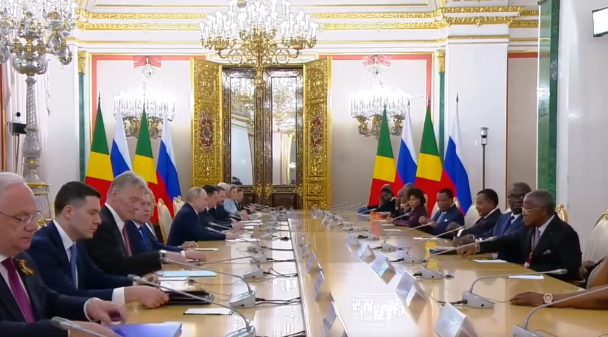
During a visit of Rosatom officials in 2024, Deputy Director Nikolay Spassky met with Congo's Minister of Energy and Hydraulics, resulting in new cooperation arrangements.
One of the most significant projects under discussion is an oil pipeline that would connect the capital, Brazzaville, to the seaside city of Pointe-Noire.
The pipeline would be built through a joint venture in which Russia is likely to have a majority ownership while providing funding, equipment, and technical knowledge.
In addition to pipeline plans, both countries have looked into the prospect of building a combined oil refinery to further improve energy cooperation.
Their collaboration has expanded beyond energy to include military and naval cooperation, with agreements made in Moscow to improve coordination in defense areas.