Shilling makes dramatic recovery, gains 5% against dollar
The Uganda shilling has staged a strong recovery against the US dollar, appreciating by about five per cent in a week as increased foreign currency inflows and subdued corporate demand eased pressure on the local currency. The shilling, which opened the week at Shs4,243/4,353 against the dollar, strengthened steadily to close Thursday’s trading session at […] The post Shilling makes dramatic recovery, gains 5% against dollar appeared first on Daily Star.
 Black News
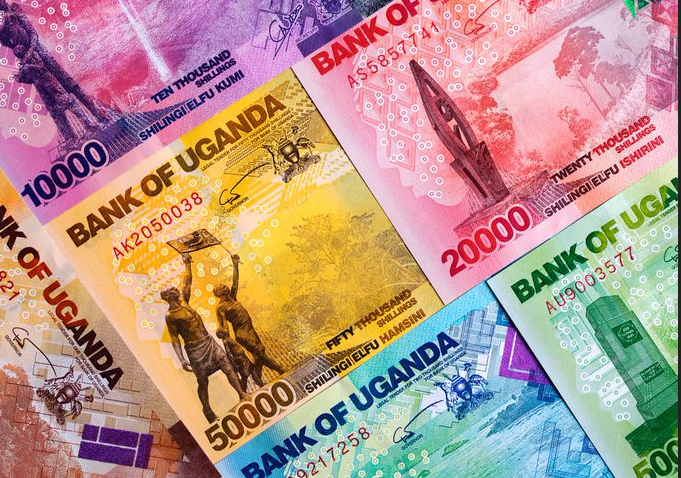
The Uganda shilling has staged a strong recovery against the US dollar, appreciating by about five per cent in a week as increased foreign currency inflows and subdued corporate demand eased pressure on the local currency.
The shilling, which opened the week at Shs4,243/4,353 against the dollar, strengthened steadily to close Thursday’s trading session at Shs4,040/4,050. The appreciation represents a significant improvement in the currency’s position after facing pressure from demand for dollars.
The gains were largely supported by commodity-related transactions and offshore inflows, which increased the supply of dollars on the domestic market. At the same time, demand from corporate players remained subdued, giving the local currency room to strengthen.
However, the rally encountered some resistance on Friday morning as offshore investors returned to the market seeking dollars, putting mild pressure on the shilling.
Richard Nsubuga, the head of Trading, CIB Markets at Absa Bank Uganda, said the outlook remained supportive of the local currency, with corporate demand for dollars expected to ease as businesses approach the festive season.
The anticipated reduction in demand could help sustain the shilling’s gains, although movements in offshore flows and commodity-related transactions will remain important in determining the direction of the exchange rate.
The currency’s performance comes against a backdrop of tighter domestic money market conditions following recent monetary policy adjustments by the Bank of Uganda (BoU).
Overnight funding rates averaged between 12.50 and 12.75 per cent during the week, reflecting the continued impact of increases in the Cash Reserve Requirement (CRR) and Central Bank Rate (CBR).
The tighter liquidity conditions have also been reflected in investor appetite for government securities.
At this week’s Treasury bills auction, investors submitted bids worth Shs439 billion against an advertised offer of Shs350 billion, representing a subscription rate of 125.4 per cent.
The Bank of Uganda accepted Shs383.8 billion in cash proceeds, while yields stood at 11.682 per cent for the 91-day paper, 13.425 per cent for the 182-day securities and 14.752 per cent for the 364-day Treasury bills.
The auction results point to continued investor appetite for government securities despite tighter liquidity in the banking system.
Across the region, the Kenyan shilling remained under pressure against the dollar, with the exchange rate quoted at Shs130.00/130.05 on Friday morning.
Sustained demand for dollars from different sectors of the Kenyan economy continued to weigh on the currency, with market participants watching for possible intervention by the Central Bank of Kenya should depreciation pressures intensify.
On the international market, crude oil prices rebounded above $91 per barrel on Friday but remained on course for a weekly decline of approximately 12 per cent.
The decline was partly driven by optimism surrounding a possible quicker resolution to tensions in the Middle East. However, geopolitical uncertainties continued to weigh on market sentiment.
Oil prices also faced pressure from increased supplies from major Gulf producers. Combined shipments from Saudi Arabia, the United Arab Emirates, Iraq and Kuwait rose by 10 per cent to 15.53 million barrels per day in October, pushing the Middle East physical crude market into surplus for the first time since July.
Gold, meanwhile, slipped below $4,050 per ounce on Friday but remained on course for a weekly gain exceeding four per cent.
The precious metal benefited from expectations that developments in the United States could ease geopolitical tensions and inflationary pressures, potentially reducing the need for aggressive monetary tightening.
The US dollar index advanced to about 101.8 as investors positioned themselves ahead of the October non-farm payrolls report, a key indicator expected to provide further insight into the health of the American labour market and the Federal Reserve’s monetary policy direction.
Data from ADP showed that private-sector employers added 86,000 jobs in October, while initial jobless claims fell to their lowest level in 57 years.
Despite the relatively resilient labour market indicators, market expectations of a December Federal Reserve rate hike eased to approximately 68 per cent from nearly 83 per cent previously.
In Europe, sterling strengthened to $1.347, its highest level since mid-September, after the Bank of England raised its benchmark interest rate by 25 basis points to four per cent, marking its first increase in more than three years.
Governor Andrew Bailey indicated that further tightening could be necessary if inflationary pressures persist. Markets are now pricing in three additional rate increases by November 2027.
The Bank of England projects inflation to peak at 4.9 per cent in the second quarter of 2027, although its adverse scenario suggests inflation could climb to 6.2 per cent in the third quarter.
The euro also extended its rally to $1.125, its strongest level since early October, supported by accelerating Eurozone inflation and movements in the US dollar following the American election outcome.
The post Shilling makes dramatic recovery, gains 5% against dollar appeared first on Daily Star.