Signatures without shovels: why Africa must end the era of “hot air” MOUs
The proliferation of non-binding agreements and “mega-projects” that never leave the drawing board is more than a PR nuisance; it is a systemic drain on African resources. From green hydrogen projects to celebrity-backed “crypto-cities”, the continent is being used as a laboratory for corporate branding. To achieve true industrialisation, African states must start demanding performance-backed […] The post Signatures without shovels: why Africa must end the era of “hot air” MOUs appeared first on New African Magazine.
 Black News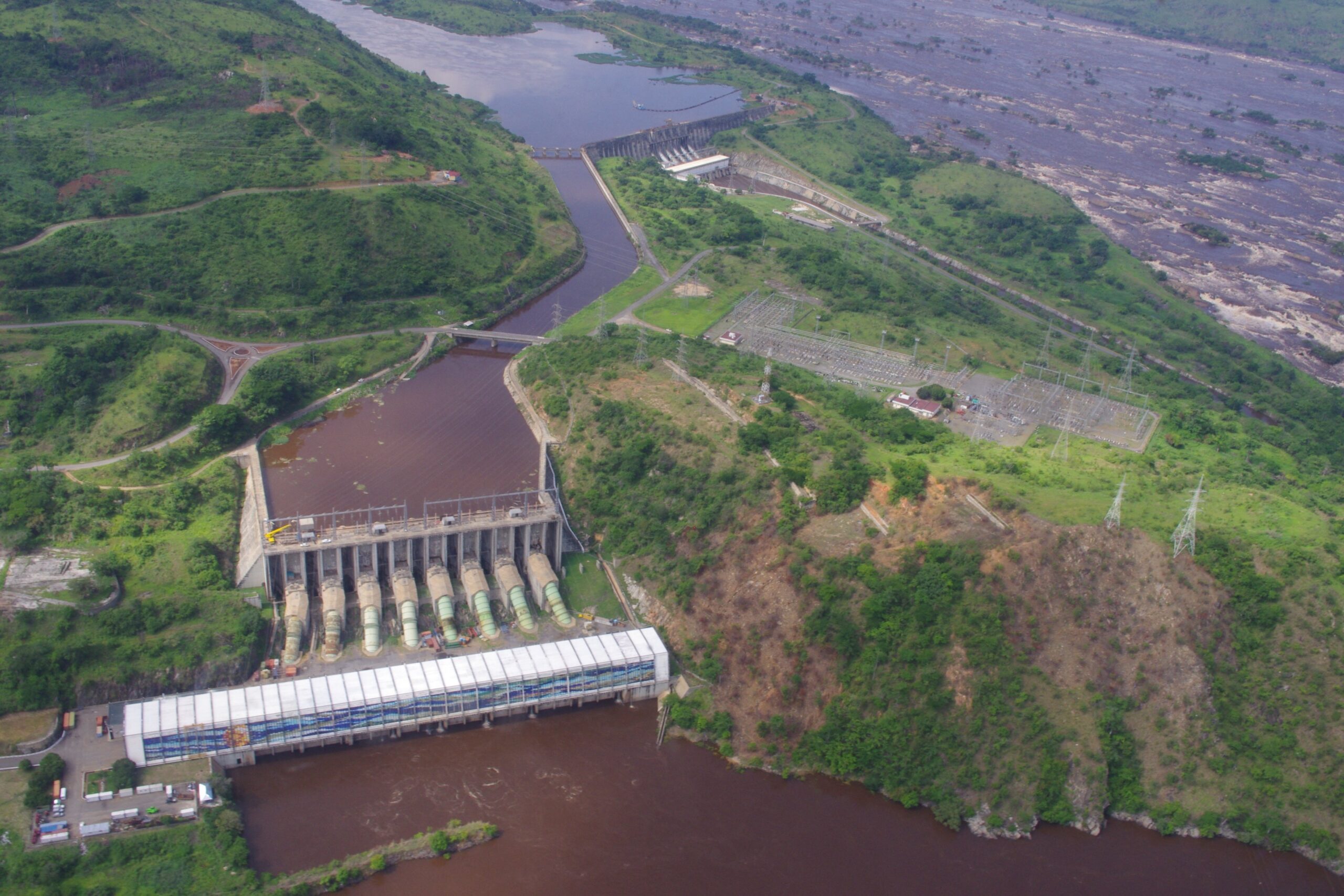

The proliferation of non-binding agreements and “mega-projects” that never leave the drawing board is more than a PR nuisance; it is a systemic drain on African resources. From green hydrogen projects to celebrity-backed “crypto-cities”, the continent is being used as a laboratory for corporate branding. To achieve true industrialisation, African states must start demanding performance-backed reality.
For too long, Africa has been treated as a PR playground for global corporations looking to bolster their ESG credentials or secure “placeholders” in emerging markets. It is time to call this what it is: a lose-lose cycle of hot air that drains African resources and destroys credibility. For Africa to achieve its industrial ambitions, it must pivot away from the theatre of lofty promises and demand a new standard of partnership: one defined by execution rather than rhetoric. This credibility gap is particularly costly in a continent where infrastructure financing needs are estimated at $130–170 billion per year, according to the African Development Bank.
The cost of an unfulfilled MOU is far from negligible; it is a systemic drain on sovereign potential. When a multinational corporation “secures” a project with a non-binding agreement, it often locks up thousands of hectares of prime land and exhausts the limited administrative bandwidth of host governments. Officials spend months, if not years, tailoring policy and infrastructure to accommodate a “mega-project” that may only exist on a PowerPoint slide. This creates a profound opportunity cost, stifling local developers and credible mid-sized investors who lack the PR machine of global giants but possess the intent to actually build.
The systemic drain of “placeholder” investments and ghost promises
The examples of this “all-bark, no-bite” approach are increasingly difficult to ignore. Since 2020, the Australian mining giant Fortescue has traversed the continent, announcing a dizzying array of green hydrogen and ammonia ventures in Morocco, Kenya, Egypt, and Namibia, among others. Most notable was the proposed $100 billion investment in DRC’s Grand Inga dam, intended to position Africa as a global hub for green energy exports. Years later, most of these projects remain stalled in the “study phase” or have been abandoned entirely, leaving host nations with nothing but a portfolio of expired press releases. As estimated by the African Green Hydrogen Report 2025, only three green hydrogen projects were operational across the continent as of late 2024, despite the large pipeline of announced ventures.
Similarly, the saga of Akon City in Senegal serves as a cautionary tale of “speculative urbanism.” Announced in 2018 as a $6 billion cryptocurrency-powered metropolis, the project was granted 2,000 hectares of land by the Senegalese government. After seven years of delays and zero physical progress, the project was finally abandoned in 2025, a stark reminder of the credibility gap created when governments prioritise celebrity-backed “visions” over technical viability.
Perhaps most revealing is the trend of “opportunistic investment” seen in the healthcare sector. In 2022, amid a global push for vaccine equity, Moderna signed an MOU for a $500 million manufacturing facility in Kenya. By 2024, as the immediate urgency of the pandemic subsided and associated Western subsidies waned, the project was quietly cancelled. Moderna later stated that it had received no vaccine orders from African countries since 2022 and had recorded more than $1 billion in losses and write-downs linked to declining demand. To critics, this epitomises a cynical strategy: Western firms entering the African market when subsidies are plentiful, only to retreat the moment the “economics” require genuine long-term risk.
Even more egregious are the “phantom” pledges, such as Qatar’s Al Mansour Holdings’ 2025 announcement of $103 billion in investments across six African nations – a figure nearly doubling the GDP of some of the host countries, proposed by a firm with neither the track record nor the liquid capital to follow through.
From non-binding theatre to performance-based reality
For many private firms, these MOUs serve as low-cost “placeholders.” They allow corporations to hedge their bets, securing land rights and tax incentives while waiting for technology costs to drop or global markets to shift. If the project does not “pencil out” within a narrow 24-month window, it is quietly defunded. For the firm, the loss is a few million in legal and consulting fees; for the African partner, the loss is years of developmental momentum and a tarnished reputation on the global stage.
The solution requires a fundamental shift in how African states value their own assets. If a corporation seeks the prestige and incentives of an African partnership, it must be met with performance-based contracts rather than open-ended MOUs.
Governments should institute strict “use-it-or-lose-it” clauses on land grants and require financial performance bonds for projects exceeding certain thresholds. Most importantly, there must be a rigorous vetting of “track record over talk.” Africa no longer has the luxury of being a laboratory for corporate experimentation or a backdrop for ESG branding.
The continent’s future will not be built on the dotted lines of non-binding agreements. It will be built by those who arrive with shovels in hand, capital in the bank, and a commitment to stay long after the cameras have stopped clicking. It is time to clear the air of empty promises and make room for real industry.
The post Signatures without shovels: why Africa must end the era of “hot air” MOUs appeared first on New African Magazine.