SIS validates Bill to reposition as ‘robust, futuristic intelligence service’
Over the years, the SIS has been branded as The Gambia’s most reform-minded security agency, and with this Bill, the Service cements its reputation as a modern, accountable, and professional intelligence body. The validation marks a dramatic turning point, as the SIS focuses on its core mandate: safeguarding national security, protecting citizens’ freedoms, and consolidating democratic stability while adapting to complex threats such as terrorism, organised crime, cybercrime, and violent extremism. Officials say the modern legislation, developed through extensive consultations, signals a decisive commitment to transparency, accountability, and respect for human rights. The workshop, held at the NaNa conference hall, was attended by the National Security Adviser, the Chief of Defence Staff of the Gambia Armed Forces (GAF), members of the National Assembly Select Committee on Defence, senior government officials, security partners, and civil society, was hailed as a turning point in the country’s institutional reform agenda. Observers praised the move as a bold step in embedding intelligence work within constitutional safeguards. Stakeholders described the Bill as a decisive measure to consolidate democratic gains since 2016, build public trust, and enhance The Gambia’s credibility with regional and international partners. For many, it symbolises the transformation of intelligence into a professional, non-partisan service dedicated to safeguarding peace, security, and stability while upholding democracy and the rule of law. Officials added that the SIS Bill is expected to become a cornerstone of The Gambia’s national security architecture — balancing the fight against terrorism, organised crime, and cyber threats with the protection of citizens’ freedoms. Welcoming participants, Director General of SIS Hon. Ousman Sowe described the event as “another significant milestone in our ongoing efforts to reform, recast, recalibrate, and reposition the State Intelligence Service as the premier intelligence service of The Gambia.” He noted that the evolving security environment presents increasingly complex threats, including terrorism, transnational organised crime, cybercrime, espionage, violent extremism, and other emerging challenges. Addressing these threats, he stressed, requires a modern intelligence service operating under a clear, robust, and legal framework. Sowe emphasised that the Bill is not merely about enhancing operational effectiveness, but equally about promoting professionalism and respect for the rule of law. “It ensures that intelligence activities are conducted within clearly defined legal boundaries and are subject to appropriate oversight mechanisms.” The validation workshop offered participants an opportunity to examine the provisions of the draft Bill, share constructive observations, and recommend improvements. The Director General encouraged open and constructive engagement, noting that every contribution would help ensure the final legislation reflects the collective vision and meets both national security needs and democratic governance standards. Sowe reminded participants of the common objective: building a modern, professional, and effective intelligence service capable of safeguarding the nation’s peace, security, and stability while upholding democracy, human rights, and the rule of law. National Security Adviser, Abubakarr Suleiman Jeng, underscored the importance of the Bill in addressing today’s complex security environment. He noted that threats such as violent extremism, transnational organised crime, drug and human trafficking, cyber threats, and disinformation demand a robust and lawful intelligence framework. “To keep our homeland safe and our borders secure, our intelligence services must be modern, lawful, and trusted. This Bill gives them that foundation,” he said. “The SIS Bill provides the Service with a clear mandate to detect, prevent, and advise on threats to national security, protecting the welfare of citizens, institutions, and peace. It embeds constitutional safeguards, explicitly prohibiting torture, unlawful detention, and political targeting, while requiring judicial warrants and oversight for intrusive measures.” “Crucially, the Bill ensures democratic civilian oversight, with roles for the National Assembly, Judiciary, and Executive. Parliament will review budgets and operations, while independent mechanisms will monitor compliance, ensuring intelligence decisions no longer happen in the dark.” “The legislation also professionalises the SIS, mandating merit-based recruitment and training grounded in ethics and the law. The Service will serve the state, not parties or individuals, positioning itself as a non‑partisan institution trusted by all Gambians.” Almameh Gibba, the National Assembly Member for Foni Kansala, and member of the Defence and Security Committee of the National Assembly, said: “The SIS Bill is not simply about validating legislation but about
 Black News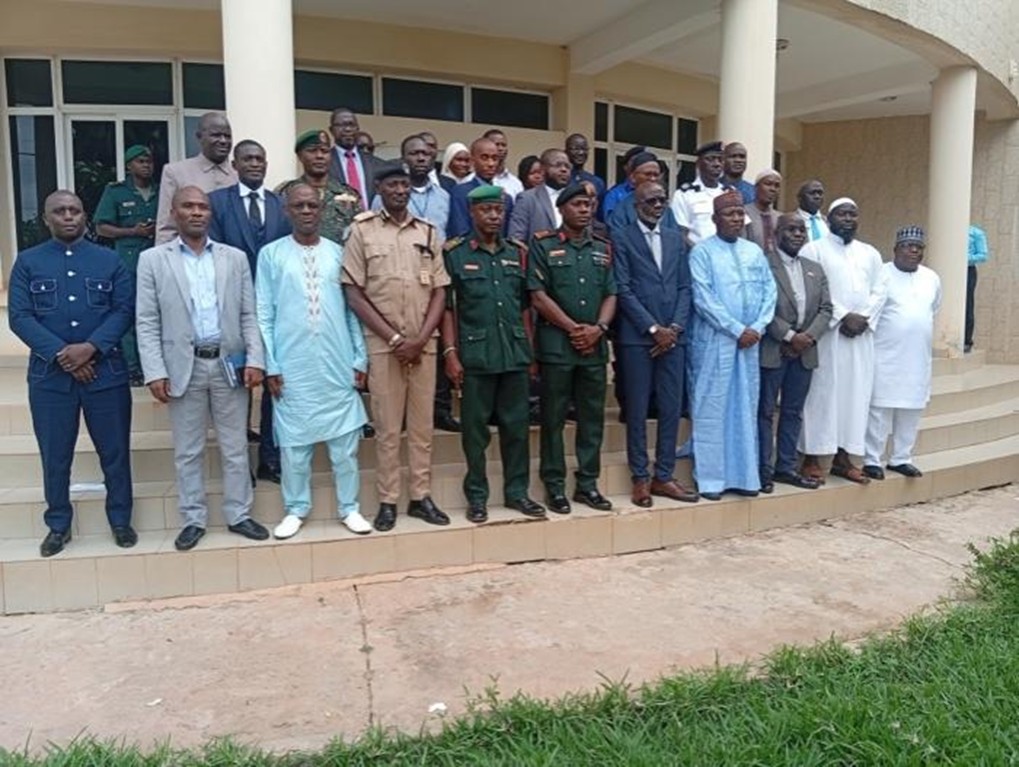
Over the years, the SIS has been branded as The Gambia’s most reform-minded security agency, and with this Bill, the Service cements its reputation as a modern, accountable, and professional intelligence body.
The validation marks a dramatic turning point, as the SIS focuses on its core mandate: safeguarding national security, protecting citizens’ freedoms, and consolidating democratic stability while adapting to complex threats such as terrorism, organised crime, cybercrime, and violent extremism.
Officials say the modern legislation, developed through extensive consultations, signals a decisive commitment to transparency, accountability, and respect for human rights.
The workshop, held at the NaNa conference hall, was attended by the National Security Adviser, the Chief of Defence Staff of the Gambia Armed Forces (GAF), members of the National Assembly Select Committee on Defence, senior government officials, security partners, and civil society, was hailed as a turning point in the country’s institutional reform agenda.
Observers praised the move as a bold step in embedding intelligence work within constitutional safeguards. Stakeholders described the Bill as a decisive measure to consolidate democratic gains since 2016, build public trust, and enhance The Gambia’s credibility with regional and international partners.
For many, it symbolises the transformation of intelligence into a professional, non-partisan service dedicated to safeguarding peace, security, and stability while upholding democracy and the rule of law.
Officials added that the SIS Bill is expected to become a cornerstone of The Gambia’s national security architecture — balancing the fight against terrorism, organised crime, and cyber threats with the protection of citizens’ freedoms.
Welcoming participants, Director General of SIS Hon. Ousman Sowe described the event as “another significant milestone in our ongoing efforts to reform, recast, recalibrate, and reposition the State Intelligence Service as the premier intelligence service of The Gambia.” He noted that the evolving security environment presents increasingly complex threats, including terrorism, transnational organised crime, cybercrime, espionage, violent extremism, and other emerging challenges. Addressing these threats, he stressed, requires a modern intelligence service operating under a clear, robust, and legal framework.
Sowe emphasised that the Bill is not merely about enhancing operational effectiveness, but equally about promoting professionalism and respect for the rule of law. “It ensures that intelligence activities are conducted within clearly defined legal boundaries and are subject to appropriate oversight mechanisms.”
The validation workshop offered participants an opportunity to examine the provisions of the draft Bill, share constructive observations, and recommend improvements. The Director General encouraged open and constructive engagement, noting that every contribution would help ensure the final legislation reflects the collective vision and meets both national security needs and democratic governance standards.
Sowe reminded participants of the common objective: building a modern, professional, and effective intelligence service capable of safeguarding the nation’s peace, security, and stability while upholding democracy, human rights, and the rule of law.
National Security Adviser, Abubakarr Suleiman Jeng, underscored the importance of the Bill in addressing today’s complex security environment. He noted that threats such as violent extremism, transnational organised crime, drug and human trafficking, cyber threats, and disinformation demand a robust and lawful intelligence framework.
“To keep our homeland safe and our borders secure, our intelligence services must be modern, lawful, and trusted. This Bill gives them that foundation,” he said.
“The SIS Bill provides the Service with a clear mandate to detect, prevent, and advise on threats to national security, protecting the welfare of citizens, institutions, and peace. It embeds constitutional safeguards, explicitly prohibiting torture, unlawful detention, and political targeting, while requiring judicial warrants and oversight for intrusive measures.”
“Crucially, the Bill ensures democratic civilian oversight, with roles for the National Assembly, Judiciary, and Executive. Parliament will review budgets and operations, while independent mechanisms will monitor compliance, ensuring intelligence decisions no longer happen in the dark.”
“The legislation also professionalises the SIS, mandating merit-based recruitment and training grounded in ethics and the law. The Service will serve the state, not parties or individuals, positioning itself as a non‑partisan institution trusted by all Gambians.”
Almameh Gibba, the National Assembly Member for Foni Kansala, and member of the Defence and Security Committee of the National Assembly, said: “The SIS Bill is not simply about validating legislation but about shaping the future of intelligence governance in The Gambia. The Bill provides a framework for a modern, adaptive, and technologically equipped intelligence service capable of anticipating threats such as terrorism, violent extremism, organised crime, cybercrime, trafficking, espionage, and disinformation.”
“Our intelligence services must not merely react to threats; they must anticipate them, gather information lawfully, analyse it professionally, and provide objective intelligence that enables government to protect the lives, liberties, and interests of every Gambian,” he said.
He emphasised that the transformation of the National Intelligence Agency into the State Intelligence Service represents more than a change of name. It is an institutional transformation designed to strengthen professionalism, operational efficiency, legal certainty, and democratic accountability.
Paying tribute to the Director General of the SIS, Gibba commended his leadership in driving reforms, enhancing inter‑agency cooperation, and supporting parliamentary oversight. He noted that such collaboration is vital in building stronger national institutions and ensuring intelligence services remain professional and accountable.