South Africa sees rapid exit of other Africans from their country as threat of violence lingers
According to the Border Management Authority (BMA) in South Africa, in the last couple of days, over 600 Ghanaians have exited the Southern African country.
 Black News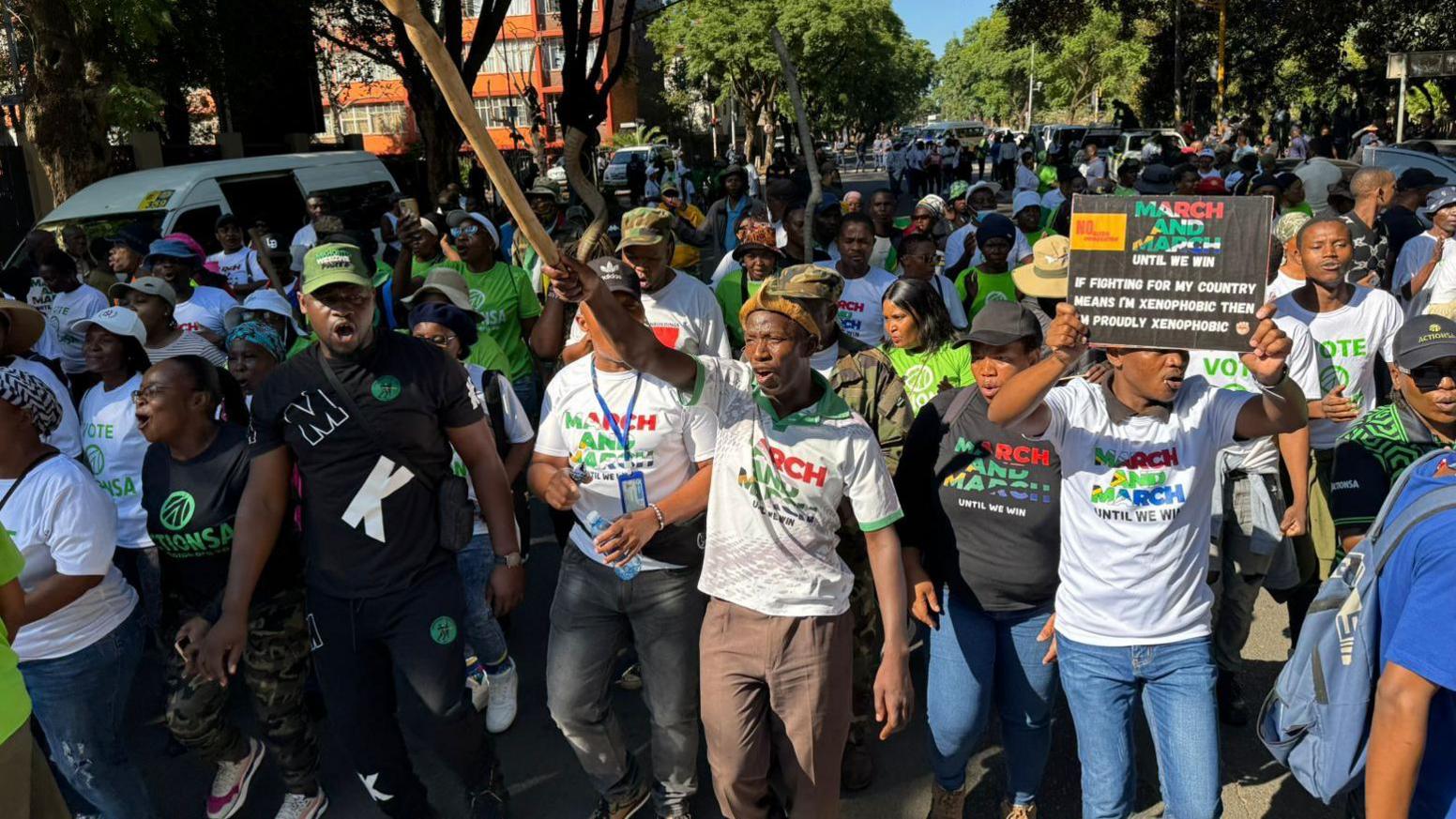

According to the Border Management Authority (BMA) in South Africa, in the last couple of days, over 600 Ghanaians have exited the Southern African country.
- Over 600 Ghanaians have recently left South Africa, with 663 repatriated over the weekend via OR Tambo International Airport.
- The Ghanaian High Commission in Pretoria facilitated the repatriation, using both ordinary passports and Emergency Travel Certificates for its citizens.
- Similar repatriations involve other nations: Nigeria plans to evacuate 1,500 citizens, and Malawi has 150 nationals returning due to xenophobic violence.
- Xenophobic incidents in South Africa have been linked to foreign nationals being harassed, displaced, injured, or even killed, leading to diplomatic tensions.
The commission noted that during the weekend, 663 Ghanaian nationals were repatriated from South Africa to Ghana through OR Tambo International Airport.
The South African Government News Agency reported that the Ghanaian High Commission in Pretoria transported 332 Ghanaians to OR Tambo International Airport on Saturday in order to repatriate them.
“Of the travelers processed, 170 were travelling on Ghanaian ordinary passports, while 162 were using Emergency Travel Certificates issued by the Ghanaian High Commission in Pretoria. Emergency Travel Certificates are single-use travel documents issued to facilitate the return of citizens to their country of origin,” the BMA said in a statement.
“On Sunday, a further group of 331 Ghanaian nationals was brought to OR Tambo International Airport by the Ghanaian High Commission for repatriation. Following check-in procedures, the travelers proceeded to BMA Immigration for processing.
Among those processed, 117 travelers were using Ghanaian ordinary passports, while 90 were traveling on Emergency Travel Certificates issued by the Ghanaian High Commission in Pretoria. In addition, 37 minor children born in South Africa were also processed using Emergency Travel Certificates,” the BMA added.
Prior to this, in May, Ghana repatriated 300 of its citizens from South Africa, sparking debates on the diplomatic union between the two countries moving forward
Very recently, Nigeria touted repatriating 1,500 of its nationals from South Africa, as said Nigerians expressed interest in returning to their home country, following the hostilities they experienced as a result of anti-immigration sentiments in South Africa.
However, the West African country postponed the initial planned evacuation flight for 270 of its citizens that was due on Monday.
A recent report by the BBC shows that approximately 150 Malawians repatriated from South Africa amid growing worries about xenophobia are due to arrive by road in their home country on Monday.
This information was disclosed by Malawian authorities.
The repatriation comes after two Mozambicans were killed in Mossel Bay, and there were accusations of door-to-door harassment in the Western Cape Province of South Africa a week ago.
The Malawians were "among a number of foreign nationals" who had "sought refuge in temporary camps" in Mossel Bay, according to a statement from Lilongwe.
Xenophobia in South Africa
South Africa is facing a resurgence of xenophobic sentiments, with anti-immigrant rallies and violence recorded in numerous areas.
The unrest has mostly targeted foreign people from neighboring African nations, such as Mozambique, Malawi, Nigeria, and Ghana, amid rising worries about unemployment, crime, and illegal immigration.
In some impacted regions, rallies became violent, prompting migrants to escape their homes and seek refuge in temporary camps, community centers, and other safe havens.
According to reports, some foreign nationals have been hurt, relocated, or murdered during the violence, which has concerned neighboring African nations.
The new episode has revived South Africa's long-running debate about immigration and economic suffering.
Analysts have deduced that prolonged unemployment, weak economic development, and popular unhappiness with migration policy have all led to an increase in anti-immigrant sentiment. Some groups have also been accused of inciting animosity against foreign nationals.
South African authorities denounced the violence and cautioned against vigilantism.
President Cyril Ramaphosa has highlighted that immigration enforcement is the job of the state, not private organizations.
The turmoil has sparked international attention and rekindled worries about the safety of migrants living and working in Africa's most developed economy.