South Africans brace for fuel price hike as major energy supplier India imposes export duty
South Africans are facing the prospect of another fuel price surge after India imposed new export duties on refined fuels, a move aimed at shielding its domestic market from the fallout of the escalating Iran war.
 Black News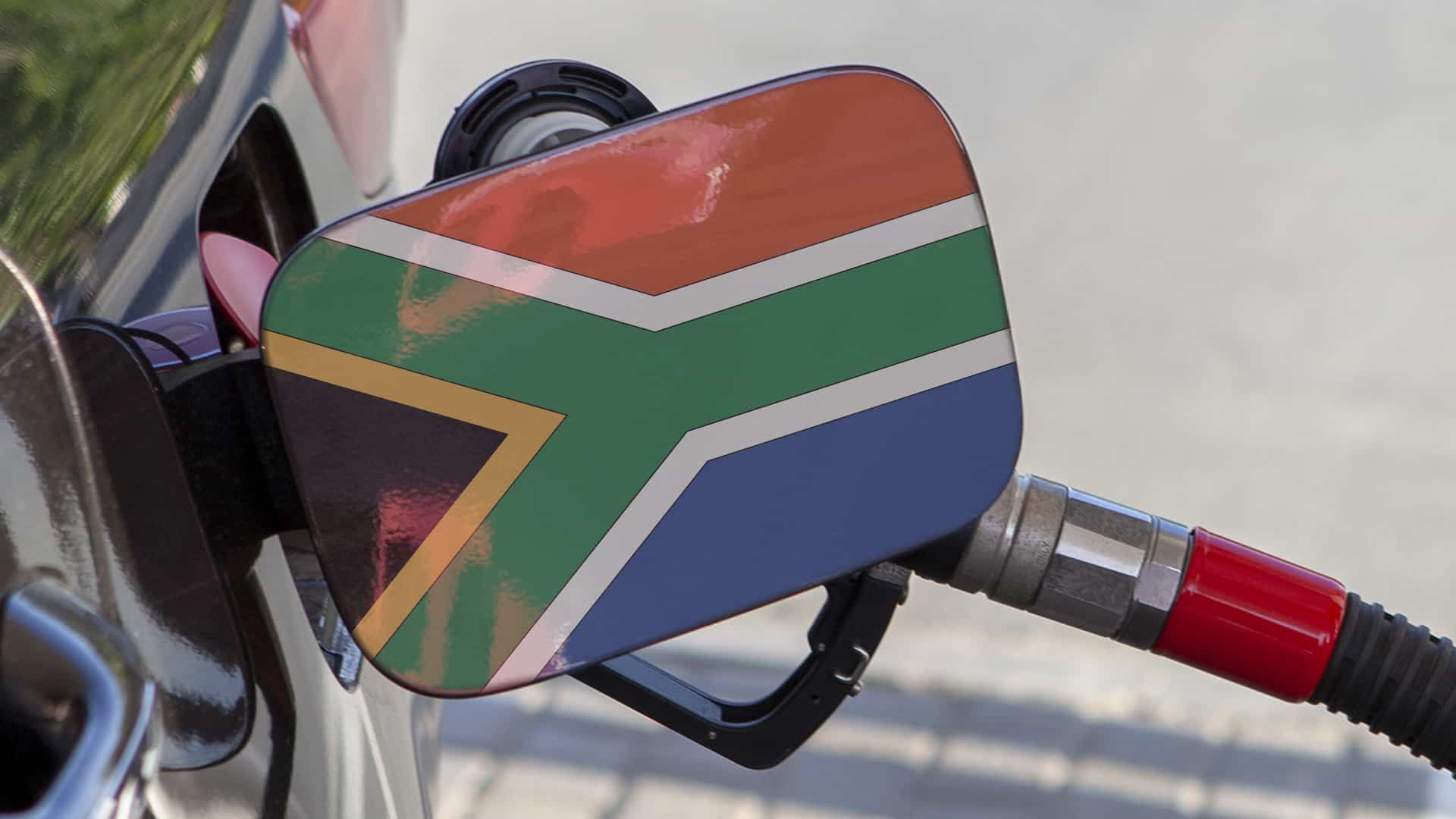



South Africans are facing the prospect of another fuel price surge after India imposed new export duties on refined fuels, a move aimed at shielding its domestic market from the fallout of the escalating Iran war.
- India imposed new export duties on diesel and jet fuel to prioritize domestic supply amid the Iran war disruptions.
- South Africa, which relies on India for up to 24% of its fuel imports, faces the prospect of even steeper fuel price hikes.
- Wholesale diesel and petrol prices in South Africa are already projected to surge by more than R10 and R5 per litre, respectively.
- Africa’s fuel markets are experiencing tightened supply, higher freight costs, and volatility due to reduced exports and global disruptions.
India's Finance Minister Nirmala Sitharaman announced a levy of 21.5 rupees per litre on diesel exports and 29.5 rupees on jet fuel, stating the policy “will ensure adequate availability of these products for domestic consumption.”
The decision is expected to hit import-dependent markets like South Africa, which sources up to 24% of its petrol and diesel from India.
The timing is critical. South Africa is already bracing for steep fuel increases, with wholesale diesel prices projected to rise by over R10 per litre (about $0.58) and petrol by more than R5 (around $0.29).
Analysts warn the new levy could amplify these increases, adding pressure to inflation and transport costs across the economy.
Iran war disruption ripples across Africa’s fuel markets
The export curbs come amid a broader energy shock triggered by the Iran war and the disruption of shipping through the Strait of Hormuz, a vital artery for global oil trade.
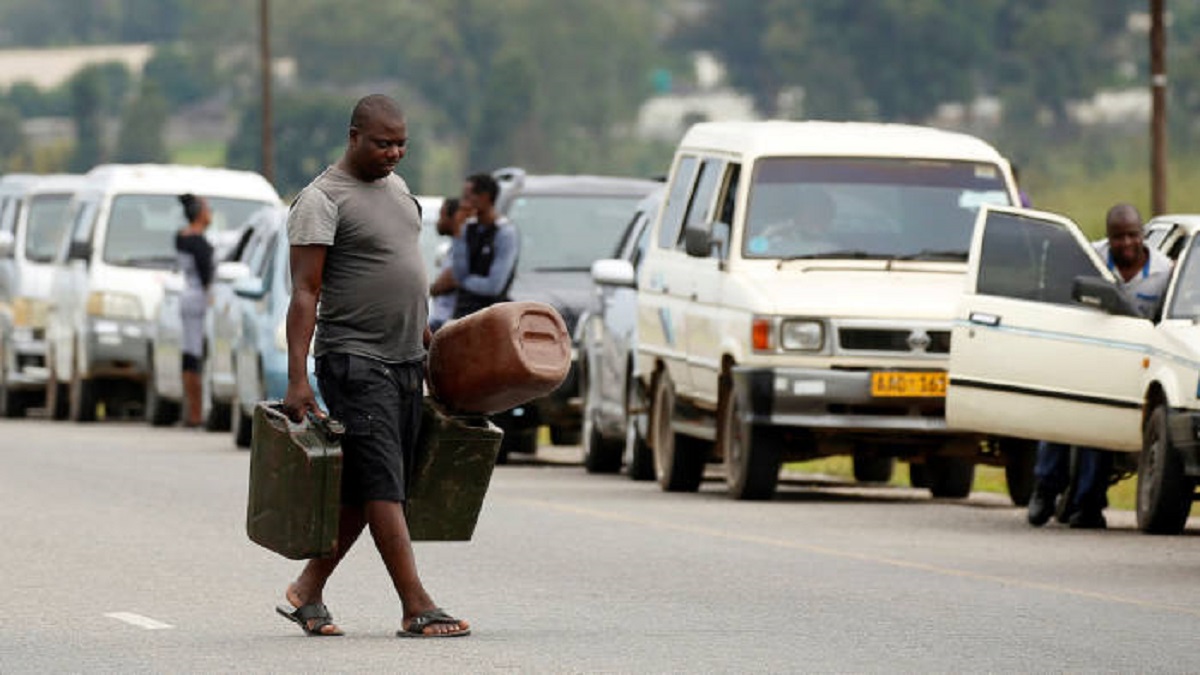
For African countries heavily reliant on imported refined products, the fallout has been immediate leading to tightened supply, higher freight costs, and increased volatility in fuel pricing.
India, one of the world’s largest fuel exporters, has increasingly redirected shipments to Africa in recent months. However, the new tax regime could reduce flows just as demand peaks, deepening supply risks across the continent.
According to South Africa’s News24, last month India exported around 500,000 barrels per day of diesel and jet fuel, part of 1.2 million barrels per day of total fuel exports.
Previously mostly sent to Europe, a growing share now flows to Africa, followed by Asia, as restrictions on Russian crude tighten. The new export levy is aimed at containing soaring international fuel prices, Oil Minister Hardeep Puri said.
Amid the uncertainty, African players are moving to plug the gap.
Nigeria’s Dangote Refinery is ramping up output in a bid to supply regional markets and reduce dependence on imports. The facility is seen as a potential game changer, capable of easing shortages if distribution bottlenecks are addressed.
South Africa’s vulnerability reflects deeper structural issues. Years of underinvestment, refinery closures, and policy uncertainty have left the country dependent on fuel imports.
The country is already feeling the impact of the global energy crisis, with Iran-related oil shocks threatening month-end fuel hikes.
Labour federation COSATU, Business Leadership South Africa (BLSA), and the opposition DA have called for relief measures, including a 50% fuel levy cut, appealing to President Cyril Ramaphosa and Finance Minister Enoch Godongwana.
As global shocks intensify, the crisis is exposing the urgent need for domestic refining capacity and a more resilient energy strategy across Africa.