South Africa’s $5.8bn hydrogen gamble could reshape global shipping and energy markets
A multibillion-dollar green hydrogen project in South Africa is moving closer to reality, positioning the country at the centre of a rapidly intensifying global race to dominate the future of clean industrial fuel and low-carbon shipping.
 Black News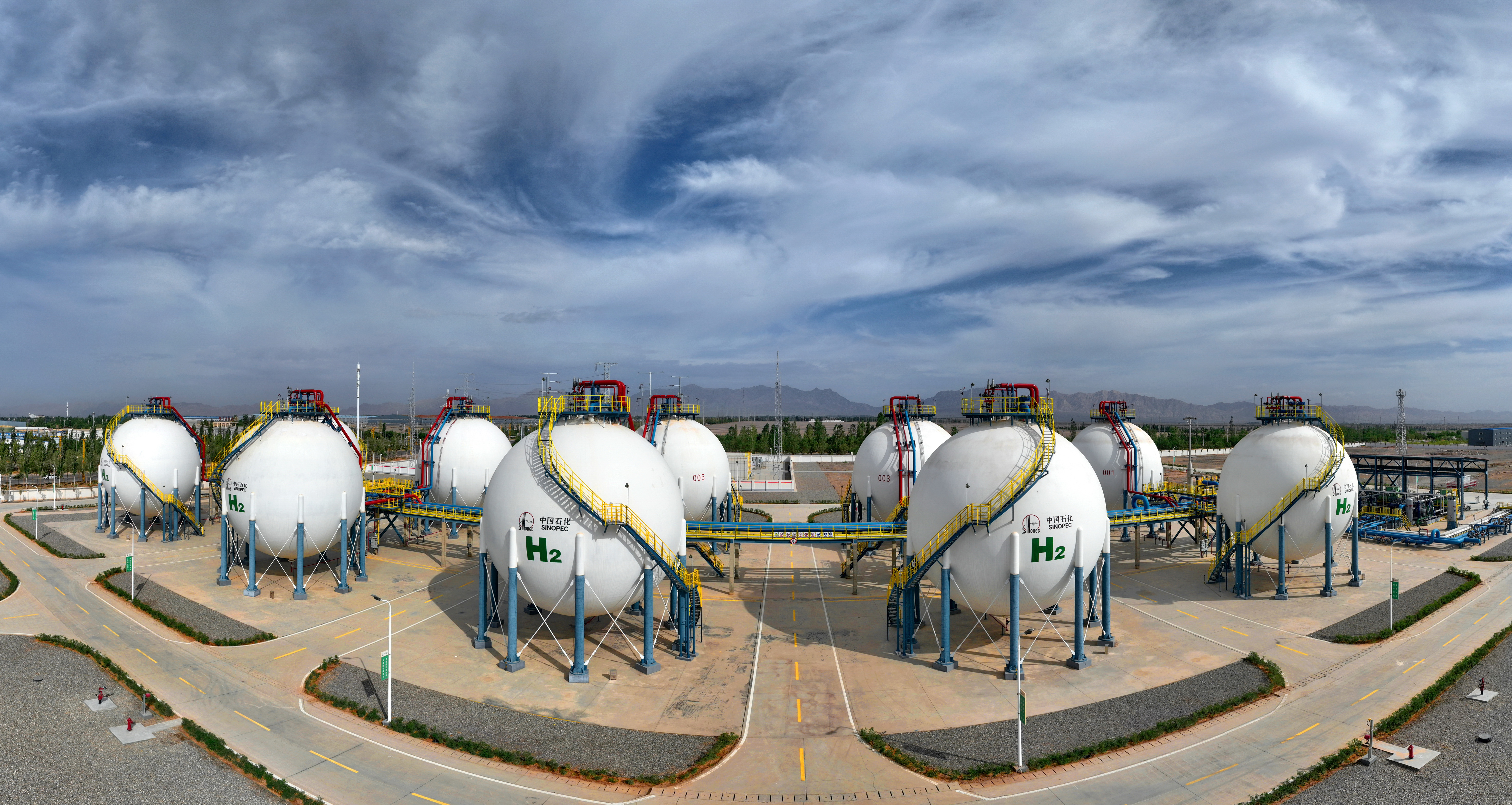
![South Africa’s $5.8 billion Hive Hydrogen project has moved closer to production after selecting a $1 billion green ammonia and electrolyser solution. [Photo by VCG/VCG via Getty Images]](https://ocdn.eu/pulscms/MDA_/c23c44300f2759ae5924c98ebdbb22f0.jpg)
A multibillion-dollar green hydrogen project in South Africa is moving closer to reality, positioning the country at the centre of a rapidly intensifying global race to dominate the future of clean industrial fuel and low-carbon shipping.
- South Africa’s $5.8 billion Hive Hydrogen project has moved closer to production after selecting a $1 billion green ammonia and electrolyser solution.
- The developers say the Nelson Mandela Bay facility could produce some of the world’s cheapest green ammonia as global demand for cleaner shipping fuels rises.
- Backed by massive wind and solar infrastructure, the project is attracting attention amid a global surge in hydrogen investment led by China, Europe, and North America.
- Analysts say the development could strengthen South Africa’s position in the fast-growing global clean energy and industrial fuel market.
The $5.8 billion Hive Hydrogen project, located in Nelson Mandela Bay’s Coega Special Economic Zone, has taken a major step forward after selecting a $1 billion electrolyser and ammonia production solution capable of producing one million tonnes of green ammonia annually.
The development is being closely watched by investors and policymakers because of one key claim: the project could produce some of the world’s cheapest green ammonia at a time when global demand for cleaner fuels is accelerating.
The project is being developed by Hive Hydrogen, backed by UK-based Hive Energy and South African infrastructure firm BuiltAfrica.
Executives behind the project say a combination of scale, renewable energy capacity, and new technology could dramatically cut production costs.
The plant will be powered by nearly 1,500 MW of wind energy and 1,430 MW of solar energy. Danish energy company Topsoe will supply solid oxide electrolyser technology that Hive Hydrogen says could reduce renewable infrastructure costs by more than €500 million and lower electricity transmission expenses by 25%.
Those cost reductions matter because green hydrogen has long struggled with one major problem: price.
Despite years of political support and climate pledges, clean hydrogen projects worldwide have faced criticism for high production costs, weak infrastructure, and uncertainty about long-term buyers. But Hive Hydrogen believes rising global demand, particularly from the shipping and fertiliser industries, is beginning to change the economics.
Shipping fuels ammonia demand
The maritime sector has emerged as one of the biggest drivers of green ammonia demand, as regulators and shipping companies seek alternatives to highly polluting heavy fuel oils. Green ammonia is increasingly viewed as one of the leading clean fuel options for long-distance shipping because it produces no carbon emissions when used correctly.
According to Hive Hydrogen general manager Colin Loubser, the rapid growth in orders for ammonia-powered vessels is creating new urgency across the industry.
“The number of ships commissioned to run on green ammonia as a maritime fuel is increasing exponentially,” the company said, noting that ammonia engine technology for shipping has already reached commercial readiness.
The South African government has also signalled strong backing for the project. Last year, Electricity and Energy Minister Kgosientsho Ramokgopa awarded the project “lighthouse” status, identifying it as one of the country’s flagship clean energy developments.
The project’s environmental impact assessment has already been completed, while front-end engineering work is underway ahead of a final investment decision expected by the third quarter of next year.
According to Mining Weekly, the Hydrogen Council and the consulting firm McKinsey & Company confirmed that more than $110 billion has now been committed to over 500 hydrogen projects worldwide that are operational, under construction, or have reached final investment decision.
Global hydrogen race intensifies
China currently leads global committed hydrogen investment with about $33 billion, followed by North America and Europe.
Countries including Germany, Spain, Chile and Namibia are also rapidly scaling green hydrogen ambitions as governments attempt to decarbonise heavy industries such as steel, chemicals, shipping, and cement.
In Germany, ports including Hamburg and Brunsbüttel are being transformed into hydrogen import hubs, while energy giant Shell is building a 100 MW renewable hydrogen electrolyser expected to begin operations in 2027.
For South Africa, however, the stakes extend beyond climate ambitions. Supporters of the Coega project believe it could help establish the country as a major exporter of green industrial fuel while unlocking new investment, infrastructure development, and manufacturing opportunities in a global energy economy increasingly shifting away from fossil fuels.