Sudan launches emergency crackdown on traditional mining sector controlling 80% of national gold output
The Sudanese government has announced a sweeping package of strict regulatory measures targeting its massive traditional mining sector.
 Black News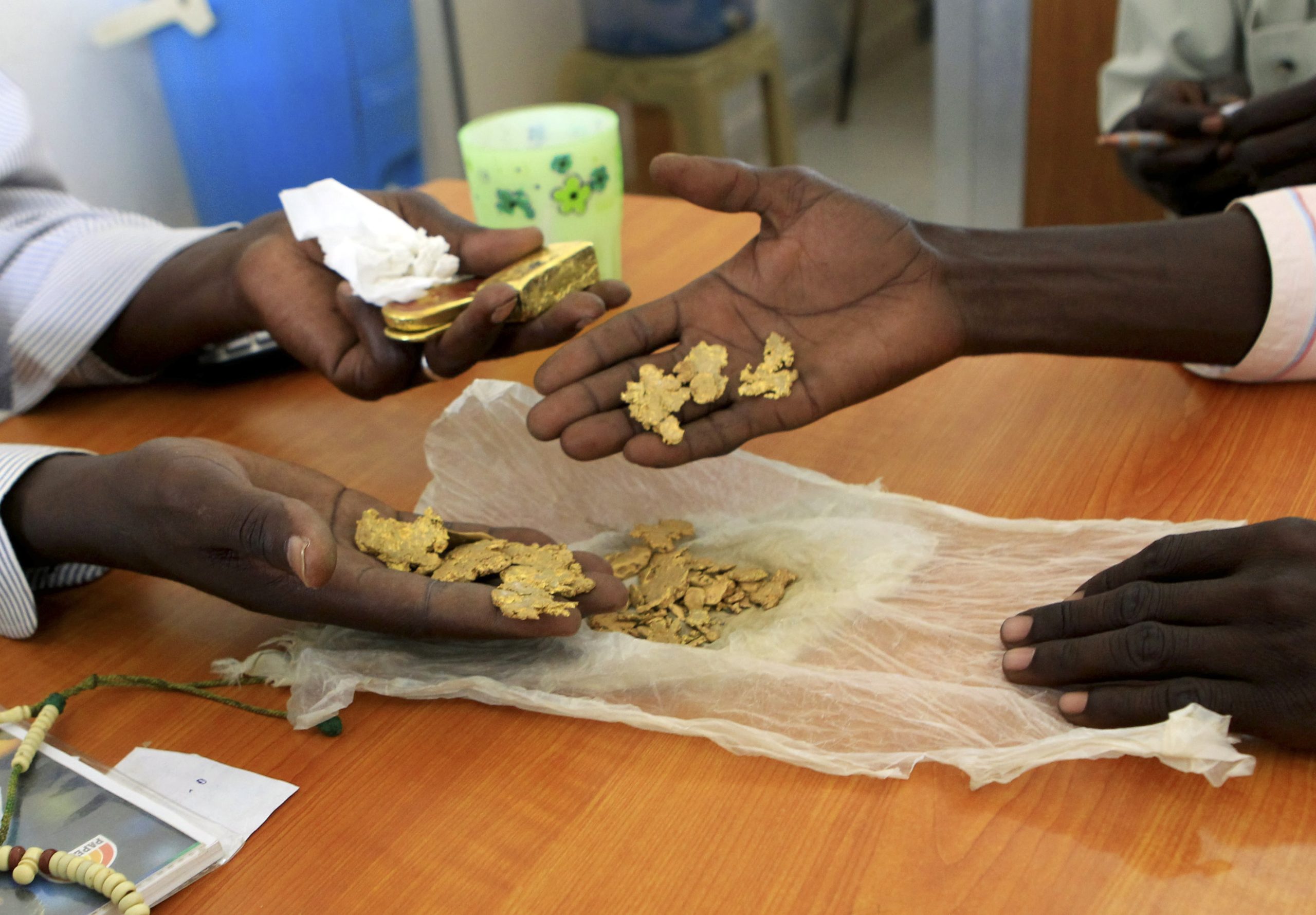

The Sudanese government has announced a sweeping package of strict regulatory measures targeting its massive traditional mining sector.
- Sudan has introduced strict regulatory measures to control its traditional mining sector amid ongoing conflict.
- The government ordered the immediate removal of gold-processing mills from residential and military areas to address environmental concerns.
- The measures were prompted by incidents such as livestock deaths caused by toxic chemicals used in gold mining.
- Authorities will introduce mandatory ID cards for miners and boost security in mining regions to combat smuggling and illegal activities.
The new directives aim to halt escalating environmental devastation and dismantle illicit smuggling networks that have thrived in the shadow of the country’s ongoing conflict.
According to a report by the Sudan Tribune, Prime Minister Kamel Idris ordered the immediate removal of all gold-processing mills from residential and military areas.
This urgent decision was made after more than 20 sheep died from drinking water poisoned by mining chemicals like cyanide.
DON'T MISS THIS: War-torn Sudan sees gold revenues hit 113% as government urges foreign investors to reconsider the country
The Sudan Tribune notes that traditional, unregulated mining makes up about 80% of Sudan's gold production and employs two million people. Since the country's war began, these lawless mining camps have turned into dangerous hubs.
Criminal groups are using them to smuggle gold and manufacture illegal drugs like Captagon. To stop this, the government is introducing mandatory ID cards for miners and increasing security.

Why enforcement remains Africa's biggest mining challenge
While several African countries have already introduced policies to regulate artisanal and small-scale mining, Sudan's latest measures highlight the persistent challenge of enforcement across the continent.
Countries such as Ghana, the Democratic Republic of the Congo, and Zimbabwe have implemented licensing systems, mineral traceability programs, and crackdowns on illegal mining.
DON'T MISS THIS: Sudan moves to reshape Africa’s gold market with 2,000-tonne reserve target
However, illegal extraction, smuggling networks, environmental degradation, and conflict financing continue to undermine these efforts.
Sudan's decision to introduce mandatory miner identification, relocate processing facilities away from residential areas, and strengthen oversight of mining camps highlights the need for stronger implementation of existing regulations rather than simply creating new ones.
Across Africa, improving enforcement capacity, tracking mineral supply chains, and formalizing artisanal mining remain critical to ensuring that natural resources generate public revenue while limiting environmental and security risks
Victor Awogbemila