Swimming While Black?: Father Says Police Were Called After He Refused To Show ID At Apartment Pool
Black father's pool visit turns traumatic after police called over ID demand, sparking discussion on racial profiling.
 Black News

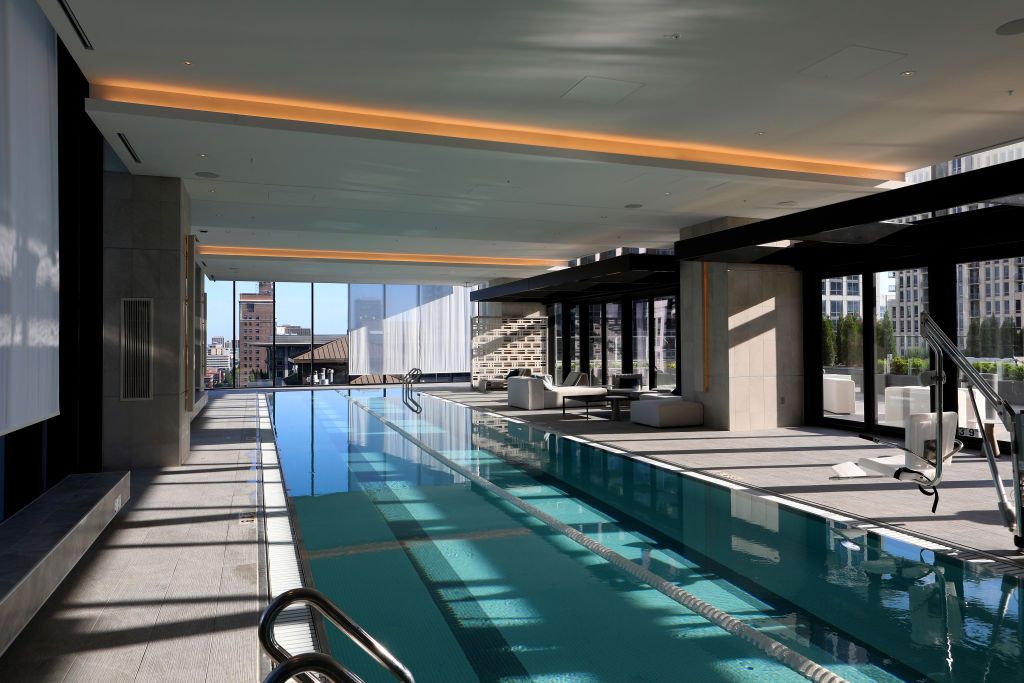
A Black father says what should have been a relaxing day at the pool with his children turned into a painful reminder that ordinary moments can quickly become anything but ordinary. The father says police were called after he refused to show his ID at a Chicago apartment complex pool.
Leo Sullivan has gone viral after sharing a video and personal account of an encounter at the swimming pool of his Illinois apartment complex. As reported by Yahoo News and Sullivan’s account, a woman approached him and questioned whether he lived at the property before asking to see his identification. After he provided proof that he was a resident, he says she continued demanding an ID and ultimately called the police.
Sullivan later wrote, “Who brings ID to a swimming pool?” He also said that when officers arrived, he informed them he was under no legal obligation to produce identification, adding, “I paid good money like everyone else, except I am Black.”
Sullivan documented part of the encounter in a Facebook post, where he alleged that his family was singled out because they were the only Black family using the pool that day.
According to Leo Sullivan’s account, the situation did not end there. He said police were called a second time later that day after he visited the apartment complex’s leasing office. He also shared that one of his children became visibly upset during the ordeal and described the experience as traumatic for his family. Sullivan has indicated that he is considering legal action.
Watch the viral post here.
The incident has generated widespread discussion online, with many viewers connecting it to the long-standing phenomenon often described as “living while Black,” in which routine activities become subject to heightened scrutiny or suspicion.
At the same time, others have urged caution — noting that the available information represents Sullivan’s account of the events. As Yahoo News reported, some social media users argued that apartment complexes often have residency rules for shared amenities and questioned whether race played a role without additional evidence. Others responded that if Sullivan’s description is accurate, the incident raises serious concerns about racial profiling and the emotional toll these encounters can have on children.
At this time, there have been no publicly available statements from the apartment complex, the unidentified woman seen in the video, or local law enforcement addressing Sullivan’s allegations. The publication also noted that the events described have not been independently verified through public records.
Regardless of where public opinion lands, Leo Sullivan’s story has reopened an all too familiar conversation about belonging, dignity, and the emotional weight that seemingly ordinary spaces can carry for Black families. For many, the question extends beyond the pool. It is about whether everyday life can truly be lived without unnecessary suspicion.