Tanzania's $1 billion nuclear-fuel project gains momentum as Russia doubles down
Tanzania's President Samia Suluhu Hassan's visit to Russia has breathed life into the long-delayed Mkuju River uranium project.
 Black News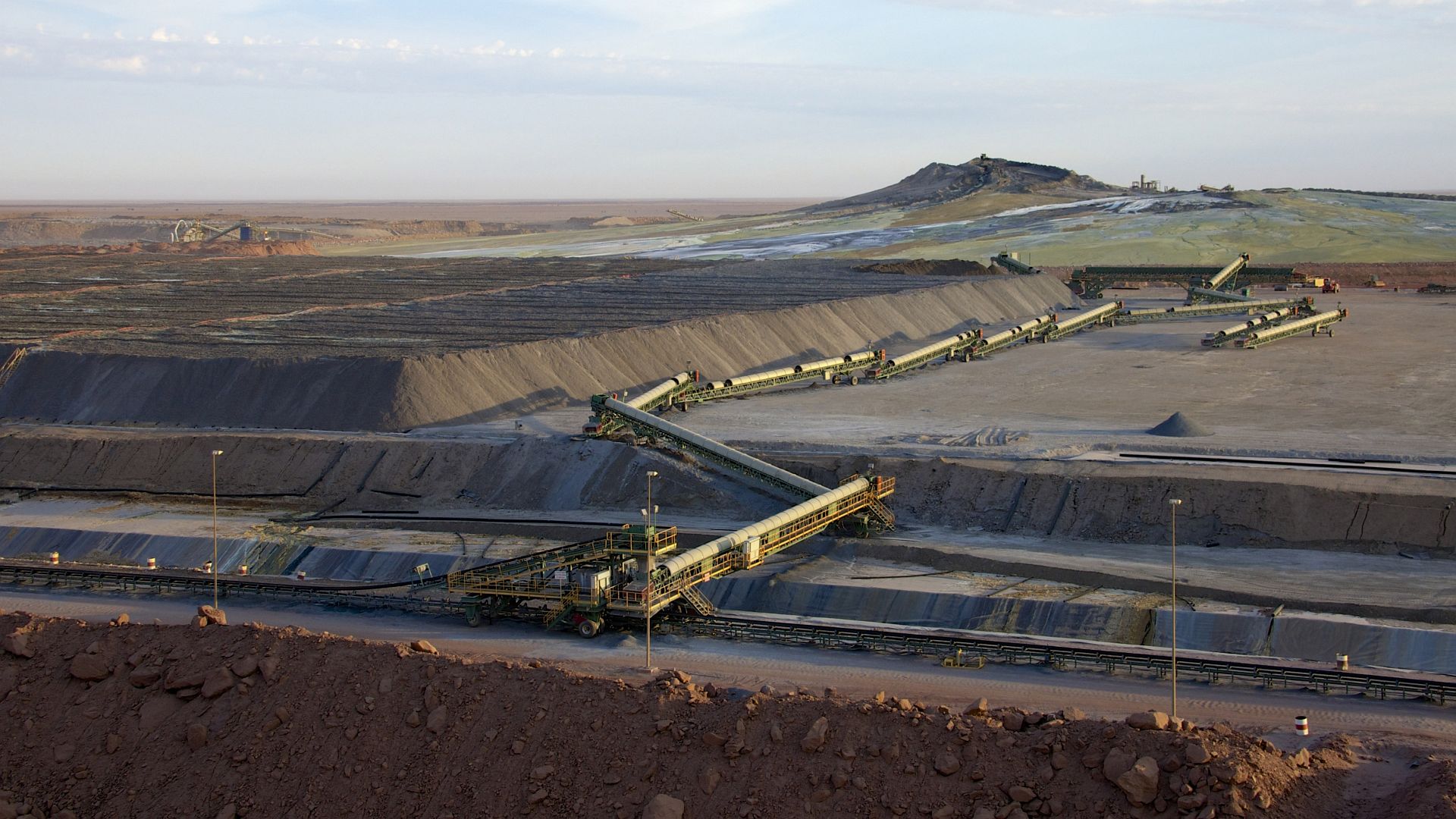

Tanzania's President Samia Suluhu Hassan's visit to Russia has breathed life into the long-delayed Mkuju River uranium project.
- Tanzania's President Samia Suluhu Hassan's visit to Russia has revived momentum for the $1 billion Mkuju River uranium project.
- Tanzanian and Russian officials have reaffirmed their commitment to advancing the project, which could make Tanzania a leading uranium producer in Africa.
- Preparatory stages, including a pilot uranium processing plant, have been completed, and bidding for infrastructure development has begun.
- The project was delayed for years due to low global uranium prices and the aftermath of the Fukushima nuclear disaster.
Anthony Mavunde, Tanzania’s Minister of Minerals, expressed optimism that the strategic investment in the $1 billion uranium project is nearing completion.
On the eve of the President's visit, Mr. Mavunde told The Citizen in Moscow that discussions between Tanzanian and Russian officials had strengthened their commitment to advancing the project, which is expected to rank Tanzania among Africa's top uranium producers.
“The Mkuju project is a flagship investment not only for the mining sector but also for the wider economy. Tanzania is among a small number of African countries with the opportunity to develop a uranium industry of this scale,” he said.
“The visit has added significant momentum to the project. We expect to see major developments within a relatively short period because several preparatory stages have already been completed,” he added.
The minister described President Hassan's activation of a pilot uranium processing plant in July of last year as a significant milestone, indicating that the project had progressed beyond the planning stage.
The plant was built to test processing technologies and collect technical data needed to construct the eventual industrial complex.
He indicated that substantial progress has been achieved in recent weeks, most notably the commencement of the bidding process for infrastructure development at the project site.
“Mining activities have already commenced within the framework provided by law. When you visit the site, there are clear signs that operational work is underway,” he said.
According to estimates, the mine has the potential to generate up to 3,000 tons of uranium per year, positioning Tanzania as an increasingly vital market in the global nuclear fuel supply chain.
The Mkuju River project remained essentially dormant for over a decade.
This inactivity was primarily attributed to a collapse in global uranium prices, which delayed commercial development despite the successful completion of exploration activities and the procurement of necessary regulatory approvals.
DON'T MISS THIS: Why Tanzania is betting on a mega coastal project to challenge East Africa’s investment giants
The project had been delayed several years following Japan's 2011 Fukushima nuclear incident, which caused a lengthy drop in uranium prices and decreased global investment interest.
However, rising global demand for nuclear energy as governments pursue low-carbon energy sources has reignited interest in uranium projects worldwide, including Mkuju River.
Russia's renewed support comes at a critical juncture for Tanzania's mining industry.
![Tanzania's President Samia Suluhu Hassan, Russian President Vladimir Putin, Uzbek President Shavkat Mirziyoyev and Vice President of the People's Republic of China Han Zheng arrive for the plenary session of the St. Petersburg International Economic Forum (SPIEF) in Saint Petersburg on June 5, 2026. [Photo by OLGA MALTSEVA / AFP via Getty Images]](https://ocdn.eu/pulscms/MDA_/638911e8df7b94677caa13091b57c53f.jpg)
Aside from the projected export income, the project is expected to generate thousands of jobs, encourage infrastructural development in the Ruvuma area, and attract further foreign investment into the country's extractive sectors.







![[EXPRESS] SANTÉ/INFRASTRUCTURES: Saré Lao doté d’un Poste de Santé ultramoderne de 156 millions de FCFA par le Puma](https://nations-sn.com/wp-content/uploads/2026/07/03b8c2b4-4690-4481-a9ae-3ca3c6823d9e2.jpeg)