

The Women Quietly Shaping African Music Behind the Scenes
African music’s global rise did not happen through artists alone. Behind the continent’s biggest musical moments are women who are helping to shape the industry from positions that often receive less public attention. They are managers negotiating global deals, creative directors building visual identities, and executives who are not just developing talent but also driving […]
 Black News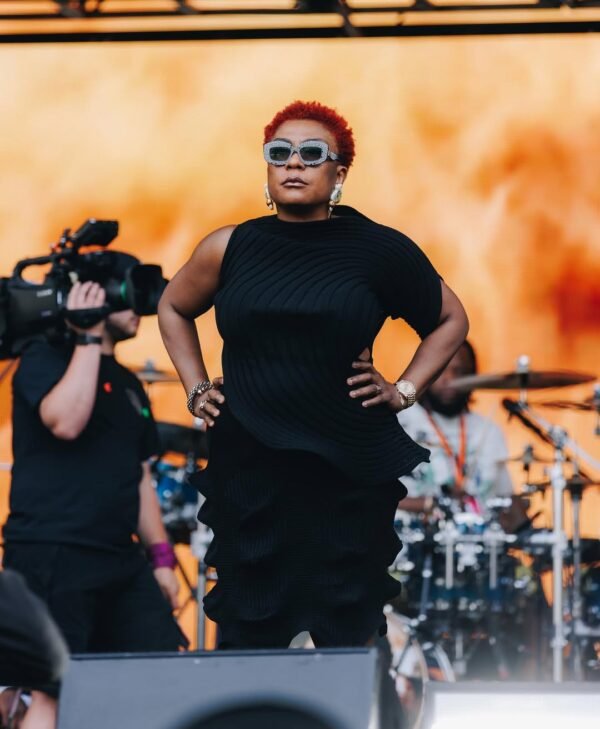
African music’s global rise did not happen through artists alone. Behind the continent’s biggest musical moments are women who are helping to shape the industry from positions that often receive less public attention. They are managers negotiating global deals, creative directors building visual identities, and executives who are not just developing talent but also driving international visibility. Many of them work without the same visibility as the stars they support, yet their influence can be felt across the industry.
Here are 5 women quietly powering the music industry behind the spotlight:
Bose Ogulu
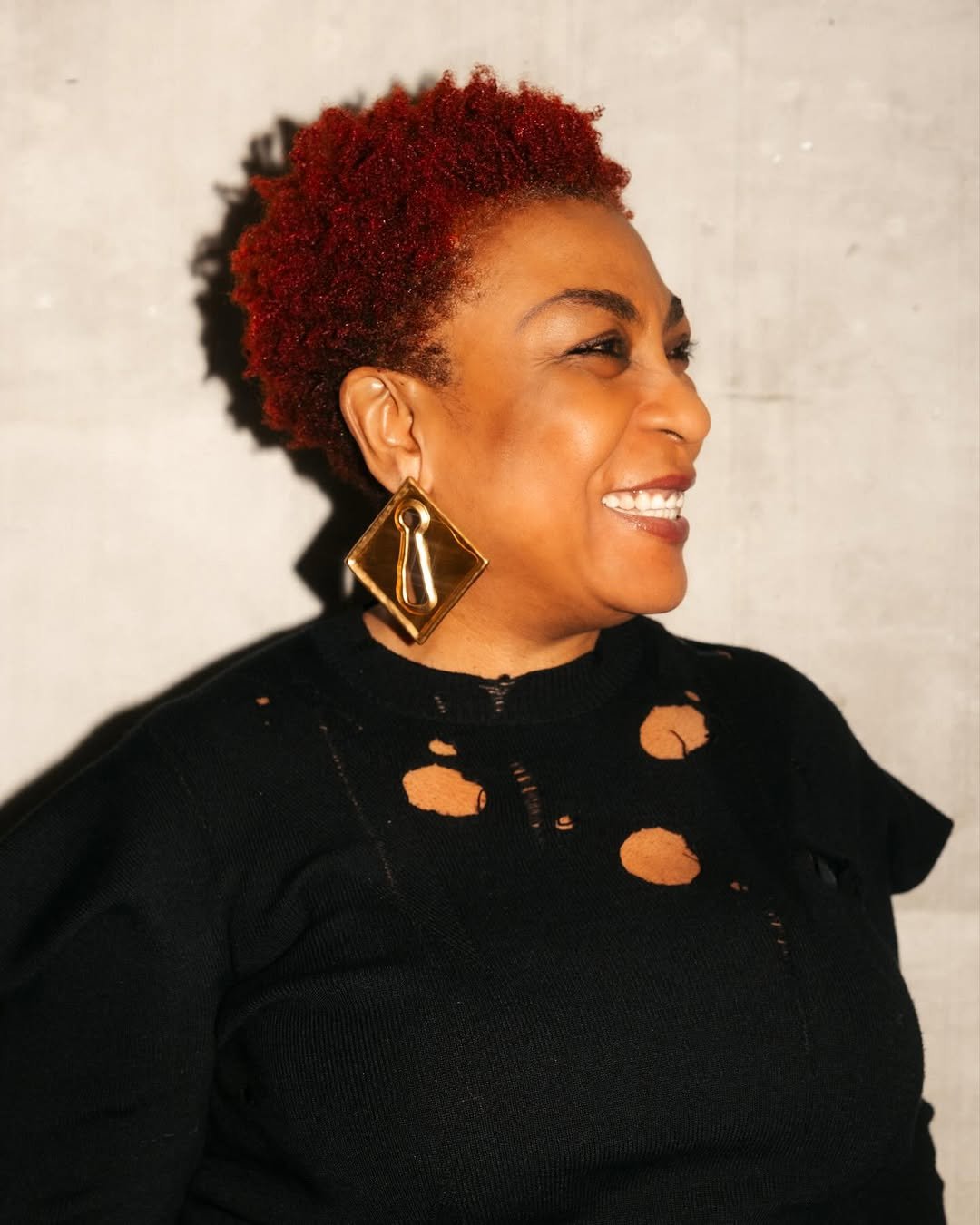
Fondly called Mama Burna, Bose Ogulu is a music executive, talent manager, and entrepreneur. As the manager of her son, Grammy-winning Afrobeats star Burna Boy, Bose Ogulu helped oversee one of the most successful international expansions by an African artist in modern music history. Her role extends beyond management into strategy, branding, touring, and long-term career development, making her one of the most influential executives in African music today.
Temi Adeniji
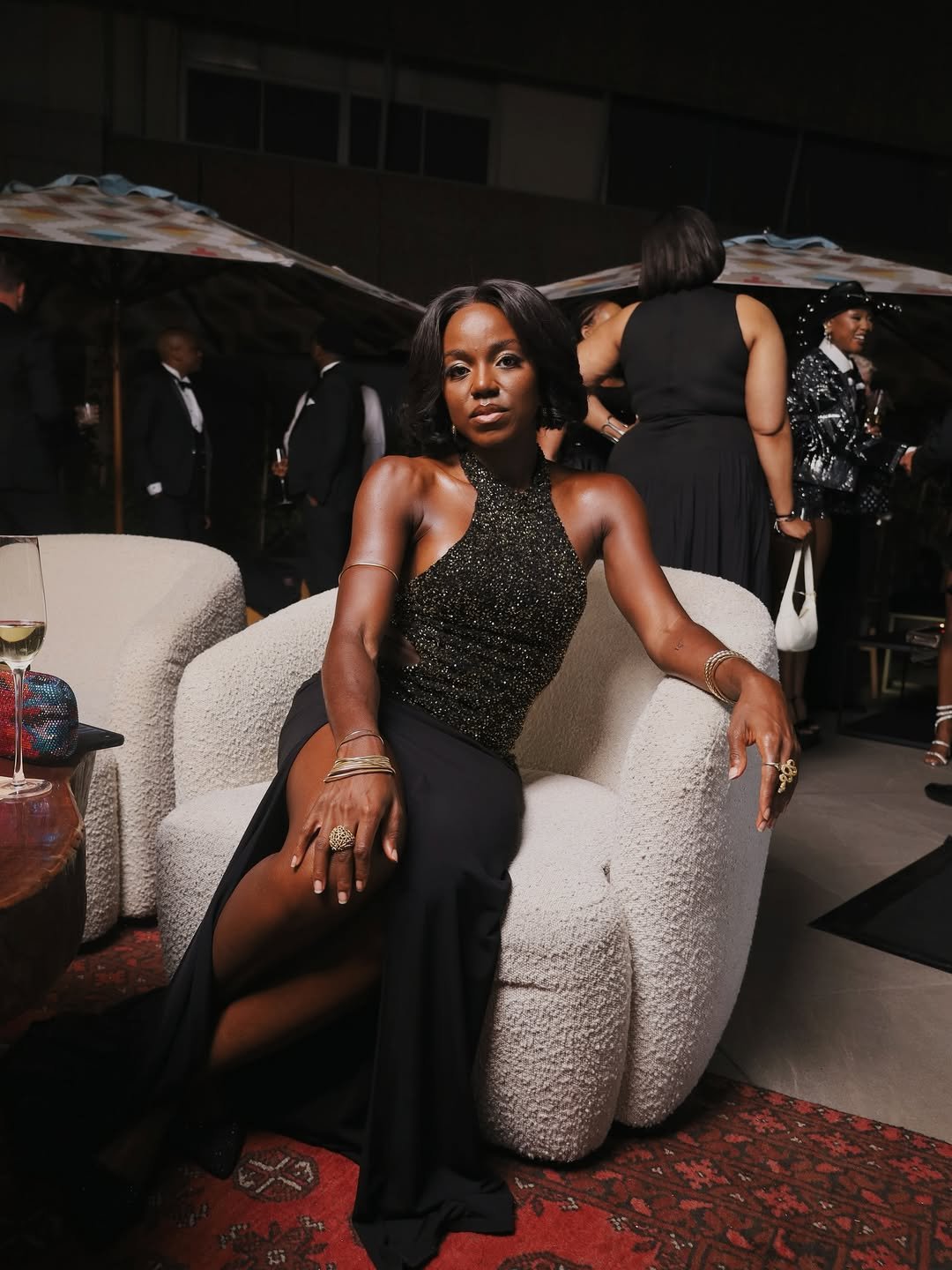
The Nigerian-American music executive is the managing director of Warner Music Africa (WMA) and the senior vice president leading the strategy team for Sub-Saharan Africa. It’s under Temi Adeniji’s leadership that the label, which used to be known as Warner Music South Africa, transitioned into Warner Music Africa, widening its strategy to actively sign talent from West, East, and Francophone regions. This gave artists from other parts of Africa a better shot at success in their music careers.
Jada Pollock

Widely known for managing Wizkid, Jada Pollock has played a significant role in shaping one of Afrobeats’ most globally successful careers. Through branding, international partnerships, and strategic positioning, she helped expand Wizkid’s presence beyond African markets while influencing how African artists navigate global pop spaces.
Phiona Okumu

Phiona Okumu has played a major role in how African music is represented within the streaming era. Through her role as Head of Music for Sub-Saharan Africa at Spotify, she has helped spotlight African artists globally while influencing playlist culture and digital discovery across the continent.
Rima Tahini Ighodaro

Rima Tahini Ighodaro is a Sierra Leonean-Lebanese music executive serving as senior vice president and the director of artists and repertoire (A&R) at Mavin Global. Playing a key role in the careers of Rema and Ayra Starr, Rima Tahini Ighodaro has become an important figure in the international growth of African music. Her work focuses on artist development, global partnerships, and helping African talent scale internationally while maintaining regional relevance.
Influence Without Visibility
One reason these women are often overlooked is because modern music culture tends to celebrate visibility more than infrastructure. Artists receive the headlines, but many of the systems sustaining African music’s global rise are being organized quietly behind closed doors by people audiences rarely see. These women are the ones influencing how African music travels globally.
Building the Future Quietly
Without any doubt, much of the work shaping the continent’s music happens away from cameras and award stages. It happens in strategy meetings, backstage conversations, creative direction sessions, digital campaigns, international negotiations, and late-night planning calls that audiences never see. The women behind these systems may not always dominate headlines, but their influence continues to shape the future of African music every day. And increasingly, the industry’s biggest successes are being built with their fingerprints all over them.










![[NOUVELLE CONSTITUTION RETOQUÉE SUR SAISINE DU PR DIOMAYE, RÉFÉRENDUM ABANDONNÉ – Par Ousseynou Nar Gueye] REJET DE LA LOI 18-2026 : LA VICTOIRE DU DROIT SUR L’URGENCE POLITIQUE](https://nations-sn.com/wp-content/uploads/2026/07/ARticle-8-PHOTO-D-ILLUSTRATION.png)


