Turkish firm eyes Kenya's ambitious railway to link up with its Ugandan mega project
Kenya is looking to transform a major Chinese-backed rail project into a fully integrated regional transport corridor, as fresh talks with Turkey's Yapi Merkezi Holdings AS develop.
 Black News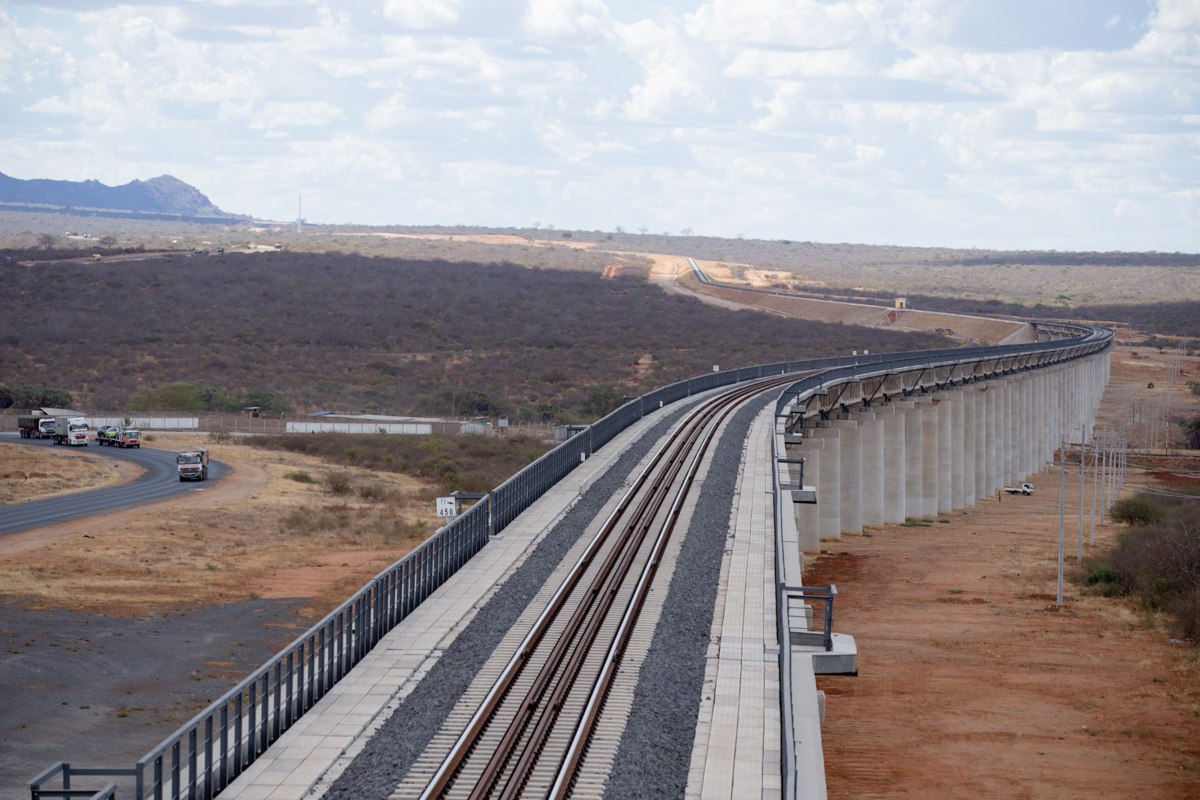


Kenya is looking to transform a major Chinese-backed rail project into a fully integrated regional transport corridor, as fresh talks with Turkey's Yapi Merkezi Holdings AS develop.
- Kenya plans to transform its Chinese-built Standard Gauge Railway (SGR) into a fully integrated regional transport corridor with Turkish company Yapi Merkezi.
- Yapi Merkezi is discussing the electrification of the SGR and aims to establish a modern rail system that enhances cross-border trade.
- This project links to a €2.7 billion Turkish-built railway currently under construction in Uganda, intended to connect with the SGR network.
- Kenya is also engaging with the UAE about possibly expanding the SGR into Uganda and South Sudan, intending to boost regional connectivity.
The Istanbul-based company is currently conversing with the Kenyan government on electrifying the country's Chinese-built Standard Gauge Railway (SGR).
This expansion would enable seamless connectivity with a new electric railway line being built from Kenya's border into neighboring Uganda, reaching all the way to the capital, Kampala.
Vice Chairman Erdem Arıoğlu, as seen on Bloomberg, noted that the company intends to establish a modern rail system that promotes cross-border trade and efficiency.
The electrification proposal has a direct connection to a €2.7 billion ($3.2 billion) railway project that the Turkish company is already building in Uganda.
That project is an important component of the larger Standard Gauge Railway network, which aims to connect multiple East African economies.
The plan for an East African rail connection has increasingly gained momentum over the years.
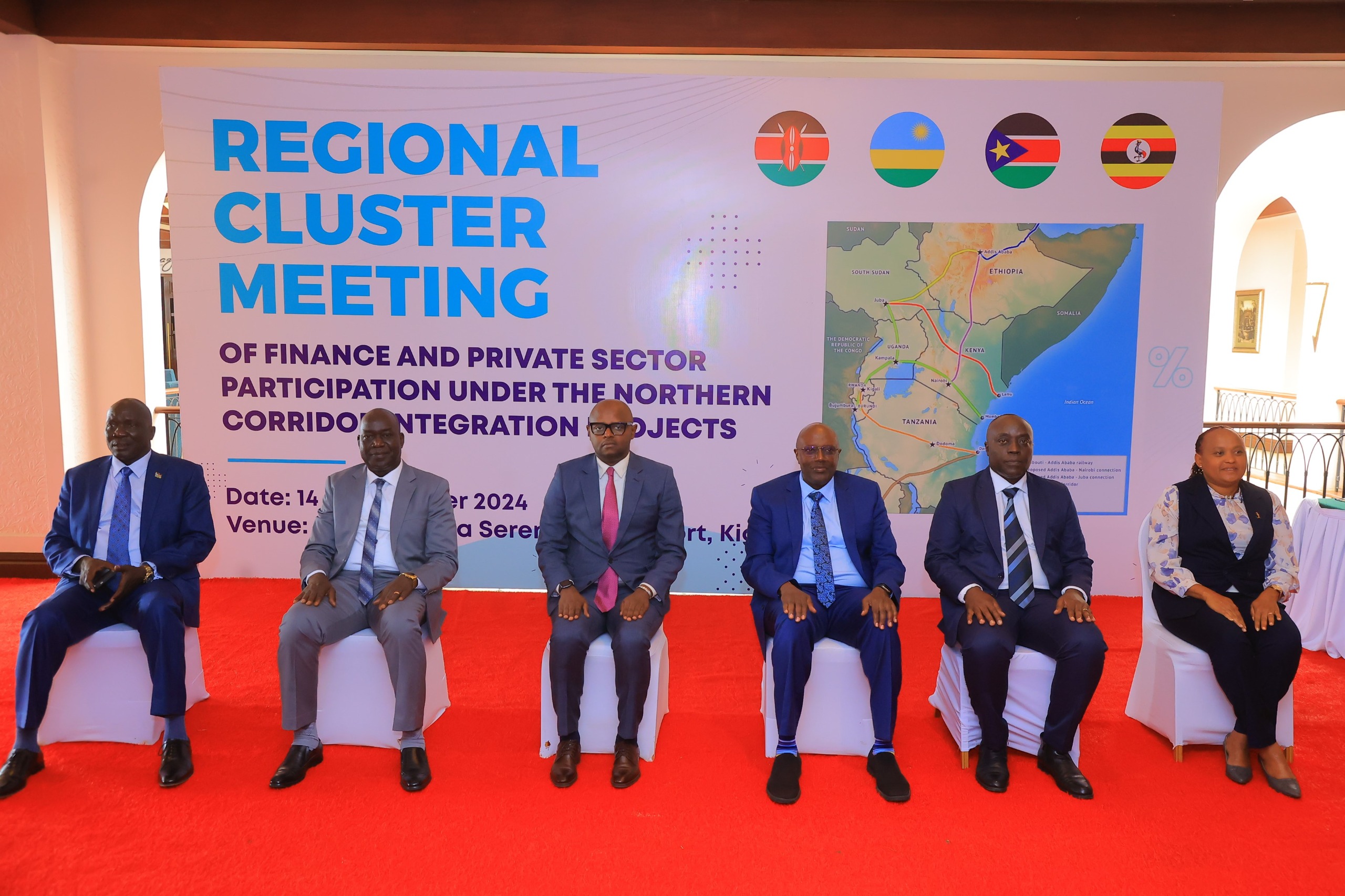
Uganda and Yapi Merkezi inked a deal in October 2024 to develop their segment of the SGR, which connects Kampala to the Kenyan border.
Just months later, in January 2025, Kenya began conversations with the United Arab Emirates about expanding the railway into Uganda and potentially South Sudan.
“We are exploring a partnership agreement with the United Arab Emirates to extend the Standard Gauge Railway to connect Kenya, Uganda, and South Sudan,” President Ruto of Kenya, at the time, stated on his X account.
By August, Kenya had taken another significant step, announcing intentions to generate $4 billion through the securitization of an import fee to support railway construction.
According to Transport Secretary Davis Chirchir, Nairobi was in negotiations with Etihad Rail about operating freight services along the extended network.
The expansion will be mostly funded by Kenya's Railway Development Levy, a 2% import charge that generates around 50 billion Kenyan shillings ($387 million) annually.
These monies are expected to help extend the railway from Naivasha to Kisumu and then to Malaba on the Ugandan border.
DON'T MISS THIS: Kenya secures China trade and rail deals amid rising US-China rivalry in Africa
The SGR, which was completed in 2019 at a cost of approximately $5 billion, connects Mombasa, a significant port city, to Naivasha via Nairobi.
It remains Kenya's greatest infrastructure project since independence and a key component of the country's long-term economic plan.