Understanding the Connection Between Food and Overall Wellness in the South
Warm weather, long growing seasons and community gardens give Southern cooks an advantage for creating healthier meals in the kitchen. The post Understanding the Connection Between Food and Overall Wellness in the South appeared first on Deep South Magazine.
 Black News
Few regions carry as much of their identity in the kitchen as the South. Recipes travel down through households the way stories do, passed along by grandmothers, neighbors and church potlucks that never needed a written page to survive. What sits on the table says something about family, memory, and place long before anyone considers what it does to the body. That second question, though, has grown harder to set aside. The relationship between what Southern households cook and how they feel week to week has become one of the more pressing conversations happening around the region’s tables.
Where the Southern Table Begins
Home cooks across the South have never lacked instinct or generosity, but the food advice reaching them has grown increasingly unreliable, much of it shared by people with no formal grounding in the science behind it. Guidance like that spreads fast through neighborhoods, and families reshape the way they cook around claims that fall apart under scrutiny. Northwest Missouri State University closes that gap by allowing candidates to pursue a Masters in Nutrition online to build the evidence-based foundation this work requires. The online format allows working professionals to keep their positions and remain in their communities while they study, with an accelerated schedule and several start dates across the year.
Those who finish move into roles as wellness coaches, food service directors, public health practitioners, researchers and clinical management leaders, equipped to assess the needs of entire populations rather than one household at a time.
What the Everyday Plate Actually Does
The body keeps a quiet record of habit. It responds less to any single celebration meal than to the pattern repeated across ordinary Tuesdays, and that pattern is where most of the story lives. A Southern plate weighted heavily toward fried proteins, refined starches and sweetened drinks asks a great deal of the systems that process it, and the effects announce themselves gradually. Energy dips through the afternoon. Sleep turns shallow. Joints ache in ways nobody connects to breakfast. None of this arrives as a dramatic event, which is exactly why it goes unaddressed for years. The encouraging part is that the same slow mechanism runs in both directions. Steady adjustments repeated over months register just as clearly as the habits they replace.
Seasonal Cooking Across Southern Kitchens
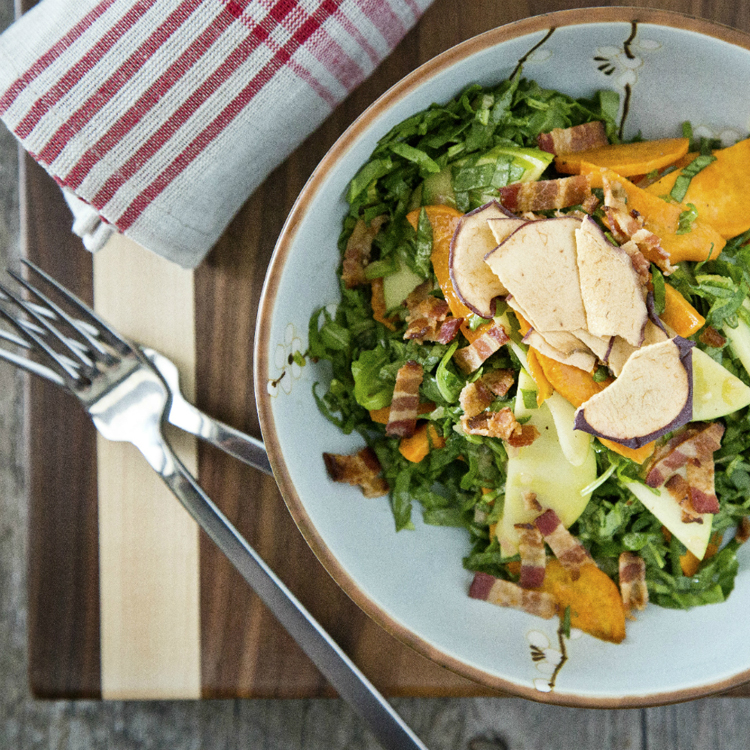
Warm weather and long growing seasons give the South an advantage that often goes unclaimed. Field peas, okra, collards, sweet potatoes, tomatoes, peaches and summer squash reach kitchens at their peak with almost no effort required to find them. Georgia and South Carolina turn out peaches by the bushel through early summer, Louisiana and Mississippi keep okra and field peas moving well into fall, and North Carolina sweet potatoes hold through the cold months without losing a thing. Cooking with what the season offers tends to solve several problems at once, since produce harvested nearby arrives with more flavor and requires less doctoring to taste like something worth eating. A tomato picked ripe needs salt and little else. Greens cooked with smoked turkey instead of heavier fats keep every bit of their character. Roadside stands and weekend markets remain a fixture across much of the region, and building meals around what those tables hold shifts the balance of a household’s cooking without asking anyone to give up the food they love.
Portions, Pace and the Rhythm of Southern Meals
Hospitality in the South has always expressed itself through abundance, and there is nothing wrong with that instinct. Trouble starts when abundance becomes the daily default rather than the mark of an occasion. A Sunday spread in Alabama or a fish fry along the Tennessee River sets a standard that was never meant to repeat itself six nights running. Serving dishes placed on the table invite second and third helpings that nobody consciously decides to take, and the pace of eating leaves little room for the body to signal that it has had enough. Plating in the kitchen instead of family style changes the arithmetic quietly. So does slowing the meal itself, letting conversation stretch between bites the way it does at a long Sunday dinner. Neither approach removes a single dish from the menu. Both shift how much of it a person actually eats.
Community, Access and What Ends Up on the Plate

The most careful intentions still run into practical limits. Plenty of Southern communities, rural stretches of the Mississippi Delta and south Georgia especially, sit far from a full grocery store, and the nearest option may stock little beyond shelf-stable goods and prepared foods. Households working two jobs have limited hours to spend cooking, and cost pressures push decisions toward whatever fills a family cheapest and fastest. Understanding wellness in the South means acknowledging those constraints honestly rather than treating diet as a matter of willpower alone. Community gardens, cooperative buying, church pantries and mobile markets have made real headway in places where traditional retail never arrived, and the households that benefit most are often the ones with the least room to maneuver.
Small Adjustments That Hold Up Over Time
Sweeping overhauls tend to collapse within a month, usually because they ask people to abandon food that carries meaning. Change survives when it respects the original dish. Southern cornbread made with buttermilk and less sugar still tastes like cornbread. Beans simmered long and slow with aromatics need less fat to satisfy. Sweet tea, poured freely from the Carolinas to Louisiana, goes unnoticed at half the usual sugar after a week or two. Grilling, roasting and braising deliver depth that frying is not the only route to. Water alongside meals crowds out sweetened drinks without any announcement. Each of these adjustments is small enough that nobody at the table feels deprived, and small enough that a household will still be doing it a year from now, which is the only measure that ends up mattering.
The South’s cooking is not a problem waiting to be corrected. It is a living inheritance, and the goal has never been to replace it. What the region stands to gain is a clearer understanding of how its food meets the body, applied with enough care that the tradition survives intact and the people carrying it forward feel better for it.
Featured photo of North Carolina peaches by Bill Russ — VisitNC.com.
The post Understanding the Connection Between Food and Overall Wellness in the South appeared first on Deep South Magazine.