U.S. Has Pledged Over $212 million to fight Ebola
The United States has pledged more than $212 million to help contain a rapidly expanding Ebola outbreak in Central Africa, as health officials race to stop a rare strain of the virus that has already crossed international borders and triggered the world’s highest public health alert. The outbreak, caused by the Bundibugyo strain of Ebola, [...]
 Black News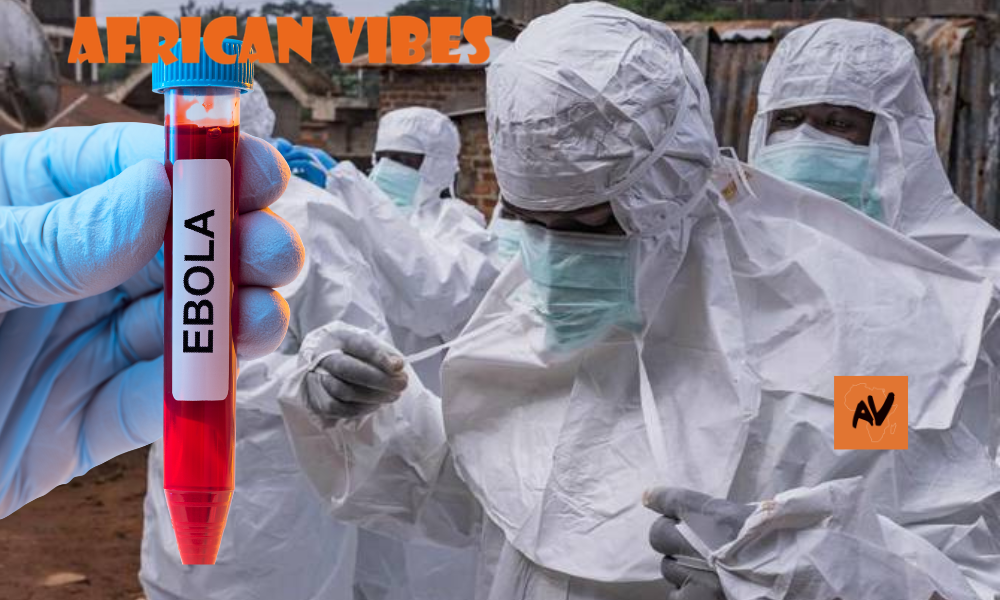
The United States has pledged more than $212 million to help contain a rapidly expanding Ebola outbreak in Central Africa, as health officials race to stop a rare strain of the virus that has already crossed international borders and triggered the world’s highest public health alert.
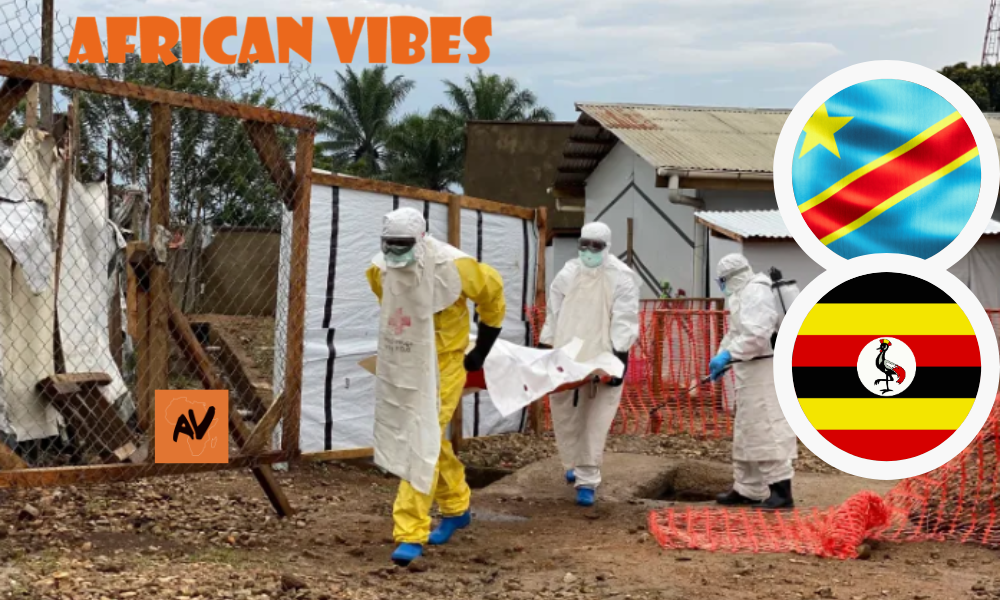
The outbreak, caused by the Bundibugyo strain of Ebola, was first detected in the Democratic Republic of Congo (DRC) in early May and has since spread into neighbouring Uganda. Unlike the more common Zaire strain, there is currently no licensed vaccine or approved treatment for Bundibugyo Ebola, leaving health authorities dependent on surveillance, isolation, contact tracing and supportive care to contain its spread.
The World Health Organization (WHO) declared the outbreak a Public Health Emergency of International Concern (PHEIC) on 17 May after cases were confirmed in both countries.
More than 1,000 suspected infections and hundreds of deaths have been reported in eastern DRC, where conflict, population displacement and weak healthcare infrastructure are complicating response efforts.
America’s Largest Ebola Response Package
The US State Department and the Centers for Disease Control and Prevention (CDC) announced a funding package exceeding $212 million aimed at strengthening disease surveillance, laboratory testing, border screening and emergency healthcare operations.
The package includes:
• More than $162 million in direct outbreak response funding
• $50 million to establish up to 50 Ebola treatment and response clinics
• Additional support for frontline healthcare workers, protective equipment and infection-control measures
US-funded partners have already begun delivering medical supplies and deploying emergency response teams to affected provinces in eastern DRC.
Officials say the goal is not only to save lives in Central Africa but also to prevent wider international spread.
Kenya Receives Preparedness Funding
As concern grows over regional transmission, the United States has allocated $13.5 million to strengthen Kenya’s Ebola preparedness.
The funding will support enhanced screening at airports and border crossings, healthcare worker training, emergency isolation facilities and rapid-response systems.
Kenya has not reported any Ebola cases, but health experts consider the country strategically important because of its position as a major transport and aviation hub linking East and Central Africa.
ALSO READ: Ebola Outbreak in DR Congo and Uganda Triggers US Emergency Response
Why This Ebola Outbreak Is Different
The Bundibugyo strain remains one of the least understood forms of Ebola.
Unlike previous outbreaks where vaccines helped contain transmission, health authorities currently have no approved vaccine available for emergency deployment.
Experts say the absence of a vaccine significantly increases the importance of rapid case identification, contact tracing and community cooperation.
Early efforts to detect the outbreak were also complicated because initial tests focused on the more common Zaire strain, delaying confirmation of the virus.
By the time authorities identified Bundibugyo Ebola, infections had already spread across borders.
Questions Over Global Health Preparedness
The emergency funding announcement comes amid growing debate over international health preparedness.
Several humanitarian organisations have warned that reductions in health and aid funding over the past two years weakened disease surveillance systems in eastern DRC, making it harder to detect and contain outbreaks at an early stage.
The International Rescue Committee (IRC) has argued that cuts to healthcare and preparedness programmes contributed to vulnerabilities that allowed the current outbreak to escalate more rapidly.
Health experts say the crisis highlights a broader lesson: infectious diseases can quickly become international threats when healthcare systems in vulnerable regions lack adequate resources.
Can $212 Million Stop the Outbreak?
While public health officials have welcomed the funding, significant challenges remain.
Large areas of eastern DRC continue to experience insecurity and armed conflict, making it difficult for health teams to access affected communities.
Population displacement, cross-border movement and limited contact-tracing capacity have also complicated efforts to contain the virus.
Without a vaccine, success will depend heavily on rapid detection, healthcare worker protection and public cooperation.
For now, health authorities say the coming weeks could determine whether the outbreak is brought under control or develops into one of the most serious Ebola emergencies in recent years.
As international agencies mobilise resources across Central and East Africa, the outbreak is serving as a stark reminder that disease threats emerging in one part of the world can quickly become a concern for all.