W'Africa faces integration test as ECOWAS lawmakers debate return of AES, insecurity and attacks on migrants
The ECOWAS Parliament’s ongoing First Ordinary Session of 2026 in Abuja has placed renewed focus on the future of regional integration, with Nigerian lawmaker Dr Sulaiman Gumi arguing that it remains in the interest of Mali, Burkina Faso and Niger to return to the ECOWAS fold.
 Black News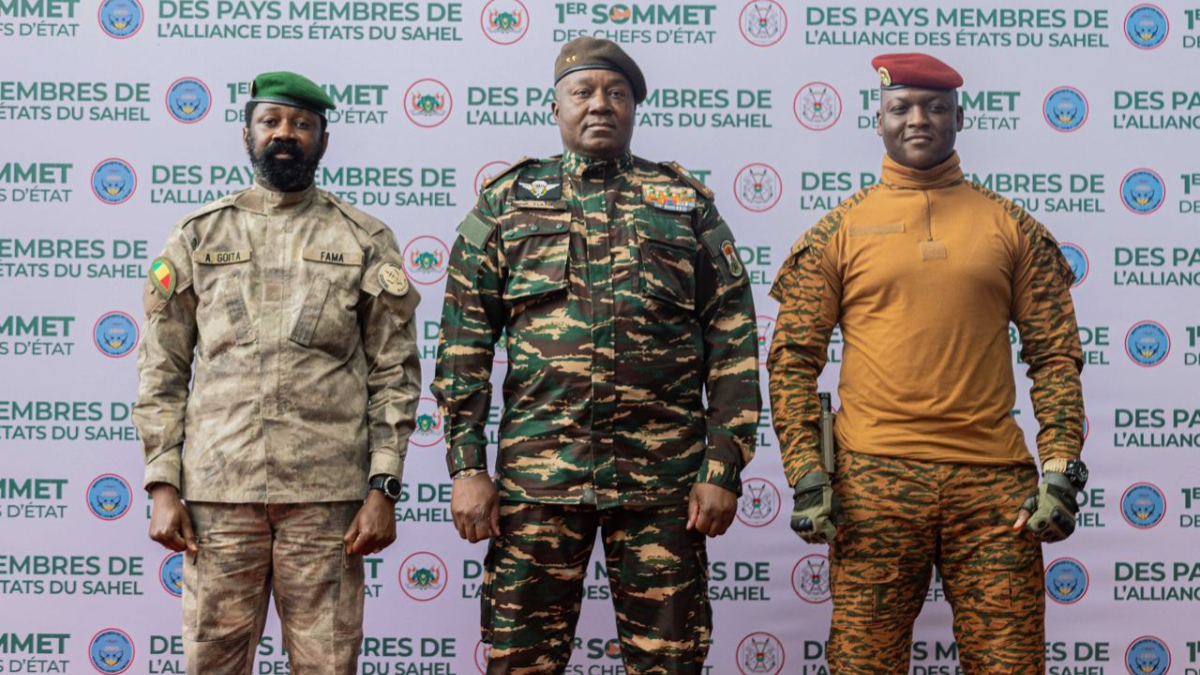
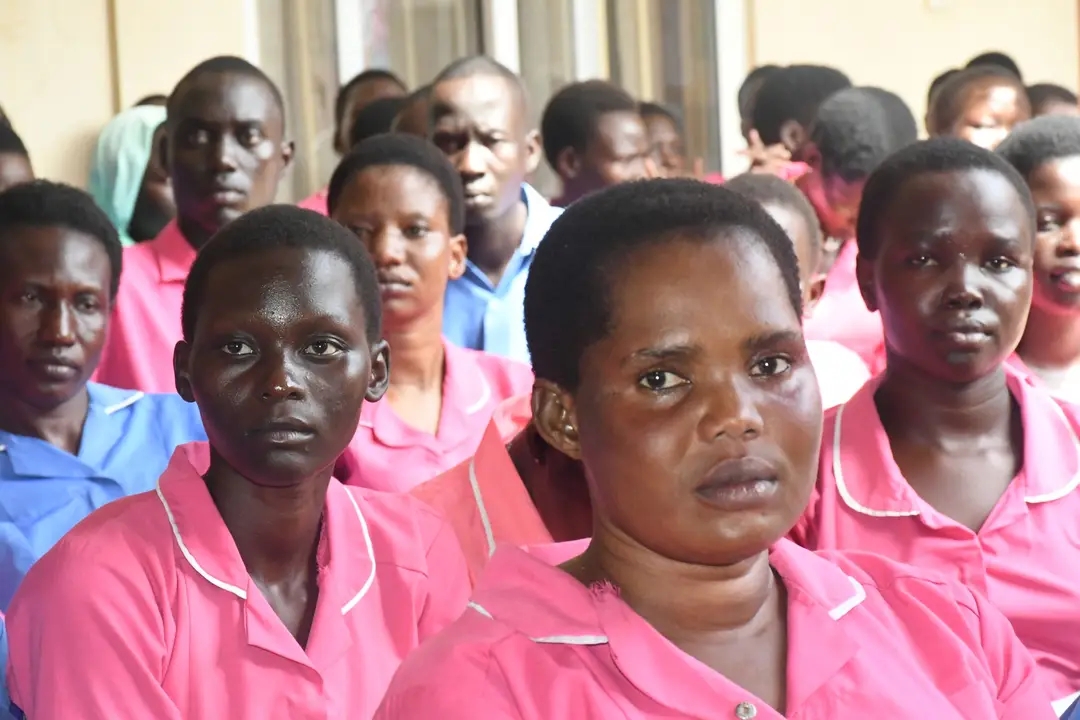
![Delegates at the ongoing ECOWAS Parliamentary session in Abuja as lawmakers debate the possible return of Mali, Burkina Faso and Niger to the regional bloc amid rising concerns over insecurity, xenophobic attacks and regional integration. [X, formerly Twitter]](https://ocdn.eu/pulscms/MDA_/0e2f75949745e10cd4e72aaf52da4fa5.jpg)
The ECOWAS Parliament’s ongoing First Ordinary Session of 2026 in Abuja has placed renewed focus on the future of regional integration, with Nigerian lawmaker Dr Sulaiman Gumi arguing that it remains in the interest of Mali, Burkina Faso and Niger to return to the ECOWAS fold.
- ECOWAS lawmakers are pushing for renewed engagement with Mali, Burkina Faso and Niger despite the countries’ withdrawal from the bloc.
- The regional parliament also raised alarm over xenophobic attacks in South Africa and the killing of West African traders in the Sahel.
- Ghana reaffirmed support for ECOWAS after paying $82.5 million in levy obligations during the session.
- Lawmakers further criticised the weak implementation of free-movement protocols and the “whitewashed” country reports presented to Parliament.
Gumi’s position comes as the bloc continues to manage the political and security fallout from the withdrawal of the three Sahel states, now organised under the Alliance of Sahel States.
Their exit formally took effect in January 2025, raising concerns over trade, border management, counterterrorism coordination and the future of free movement across West Africa.
The session, opened by Speaker Memounatou Ibrahima, is expected to consider country reports, swear in new parliamentarians and prepare for a Special Summit on the Future of Regional Integration.
Ibrahima urged West African leaders to defend democracy and deepen practical integration, saying, “The task before us is immense, but our determination is unwavering.”
Migrant Attack and Citizen Safety
![Delegates at the ongoing ECOWAS Parliamentary session in Abuja as lawmakers debate the possible return of Mali, Burkina Faso and Niger to the regional bloc amid rising concerns over insecurity, xenophobic attacks and regional integration. [X, formerly Twitter/ECOWAS Parliament]](https://ocdn.eu/pulscms/MDA_/551f80477bfca73504f50172afac0536.jpg)
Beyond the AES question, lawmakers also turned attention to the safety of West Africans abroad and along regional trade corridors.
The Parliament ordered its Committee on Political Affairs to investigate terrorist attacks in Mali and Burkina Faso, as well as xenophobic attacks in South Africa targeting ECOWAS citizens.
Ghanaian MP and Third Deputy Speaker Alexander Afenyo-Markin said the bloc must do more to protect citizens moving across borders.
“A regional community that cannot protect its own citizens in transit has not yet earned its name,” he told the plenary.
He cited the killing of Ghanaian tomato traders in Burkina Faso and attacks on African migrants in South Africa, adding that “words delivered from a ceremonial platform do not arrest a single perpetrator.”
The debate also revived concerns over the ECOWAS Free Movement Protocol. Gumi separately warned that ignorance of citizens’ rights continues to hinder free movement across the region, while lawmakers said border harassment and weak implementation of regional commitments undermine ECOWAS’s founding promise.
Levy Payments and Accountability
![Nigerian ECOWAS Parliamentarian Hon. Awaji-Inombek Abiante. [Facebook/ECOWAS Parliament]](https://ocdn.eu/pulscms/MDA_/1a810a908dd94329935f8a4ca6ea8801.jpg)
In a separate development, Ghana reaffirmed its commitment to regional integration after paying $82.5 million in ECOWAS levy obligations, according to the News Agency of Nigeria.
The payment is likely to strengthen Accra’s position in parliamentary debates at a time when the bloc is under pressure to prove its relevance.
The session also featured scrutiny of country reports as Nigerian delegate Awaji-Inombek Abiante criticised what he described as “whitewashed” presentations, arguing that member states should give more honest accounts of domestic challenges if the Parliament is to serve as a credible regional oversight platform.
“People can’t come here to whitewash the situations in their countries,” he stated in rage.
The Nigerian lawmaker stated that the reports of the Senegalese delegation lacked clarity and did not reflect proper documentation of the issue of arbitrary arrests, in turn putting human rights in jeopardy.
His web of criticism further spun to the Liberian and Sierra Leonean delegates, whom he accused of not providing an update on their border dispute with Guinea, even though they had raised the issue on the Floor of the House, and Members of the ECOWAS Parliament made extensive deliberations and efforts for an amicable resolution.
A Member of Sierra Leone’s Delegation, among others, noted that the failure to mention the border dispute was a sign of maturity and integration, which ECOWAS exists to promote.
Having critically questioned the delegations about their omission and listened to their various responses, Hon. Abiante further chided his colleagues in a sarcastic tone.
He asked, “Of what use it is to shield the reality. What are you clapping for? This is not a church. I don’t belong to this class.”
Meanwhile, Senegalese MPs highlighted agricultural modernisation as a driver of economic growth, pointing to efforts to boost productivity and strengthen food systems.
The departure of Ivorian lawmakers from the regional parliament at the end of their term also featured in the session’s developments, underscoring the institutional transition underway within ECOWAS’ legislative arm.
Taken together, the proceedings show a Parliament grappling with ECOWAS’ most urgent tests in keeping the door open to the Sahel states, protecting citizens, strengthening free movement, improving accountability and defending the credibility of regional integration.