What we do now
The Voting Rights Act: Part Four of a Five-Part Series The federal path is largely closed. The maps are being redrawn right now. Here is what’s left, who is already fighting, and what it is going to take. By Portia WoodSpecial to the AFRO I’m a lawyer. I’m not going to tell you there are […] The post What we do now appeared first on AFRO American Newspapers.
 Black News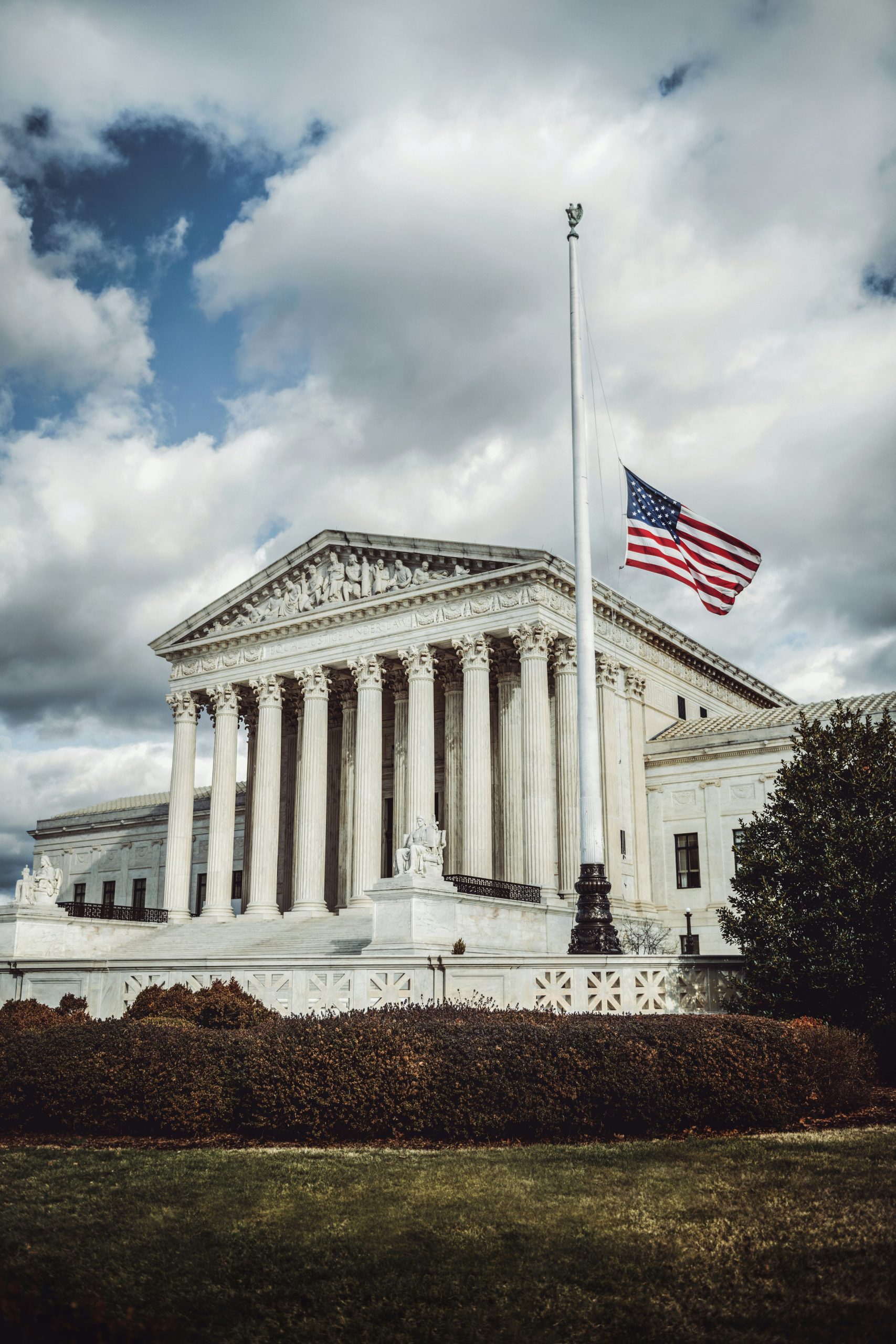

The Voting Rights Act: Part Four of a Five-Part Series
The federal path is largely closed. The maps are being redrawn right now. Here is what’s left, who is already fighting, and what it is going to take.
By Portia Wood
Special to the AFRO
I’m a lawyer. I’m not going to tell you there are easy answers here, because there aren’t. What happened on April 29, when the Supreme Court nullified the last enforcement tool of the Voting Rights Act, was a significant loss. Pretending otherwise doesn’t help anyone. What I can tell you is what exists, what’s already in motion, and what each of us can do that actually matters.
The federal path is largely closed — for now
The John R. Lewis Voting Rights Advancement Act would restore the preclearance requirement gutted by Shelby County in 2013, using a modernized coverage formula built on current evidence of discrimination rather than data from the 1960s. It has passed the House. It has never passed the Senate. The filibuster and the current Senate composition have blocked it for years, and there is no realistic path to passage in the near term without either filibuster reform or a change in Senate control.
“Change does not roll in on the wheels of inevitability but comes through continuous struggle.” – Dr. Martin Luther King Jr.
That could change. It needs to change. Every Senate race in a competitive state is part of the answer. But we have to be honest about where we are at this moment, and building false hope around a federal legislative fix that doesn’t exist yet doesn’t help the people whose districts are being redrawn right now.
State courts and state constitutions

Credit: Unsplash / Sasun Bughdaryan
Several state constitutions have voting rights provisions that are stronger than federal law as it currently stands. Litigation in state courts, under state constitutional provisions, is now the primary legal battlefield — and it’s a harder one. State-by-state, jurisdiction-by-jurisdiction, more expensive and more dependent on the composition of state judiciaries. But it’s real, and it’s where the legal fight is moving.
The organizations leading that fight need resources. The Lawyers’ Committee for Civil Rights Under Law, the NAACP Legal Defense Fund, the ACLU’s Voting Rights Project, and Democracy Docket are already in courtrooms and already filing. The LDF filed an emergency brief in Louisiana within days of Callais. The ACLU filed its challenge to Landry’s election suspension on May 2. These organizations are not waiting. They are fighting right now, with the tools that remain, and they need sustained financial support to keep doing it.
Voter suppression works by discouraging participation. It does not work when people refuse to be discouraged.
The ballot box itself

Credit: Unsplash
This is still real. The states that are racing to redraw maps right now — Florida passing new maps the same day as the ruling, Louisiana cancelling its primary, five states calling special sessions in 48 hours — are doing all of this because Black political participation is a threat to them. They wouldn’t be moving this fast if it didn’t matter.
Former President Obama, responding to the Callais ruling, said that setbacks like this “can be overcome” at the ballot box — but only “if citizens across the country who cherish our democratic ideals continue to mobilize and vote in record numbers in every election, not just the upcoming midterms.”
He’s right. It’s harder than it sounds. Voter suppression is specifically designed to make it harder. But the math is still real: more Black voters showing up, in more elections at every level — federal, state, local, judicial — narrows the margin by which these maps can do their intended work.
Damon Hewitt, of the Lawyers’ Committee, was honest with the AFRO about the scale of the challenge: “It’s a Herculean task. We’re in a time right now where we can only defend the laws of the past, and a new approach is needed.”
That new approach is going to take organizing at the state level — state legislative races, state supreme court races, state attorney general races. These offices now matter more than they ever have.
What this generation has to build

Credit: AI Google Gemini Image
The VRA wasn’t passed by people who expected the institutions to save them. It was passed because people organized at the local level for years, marched in the face of violence, and refused to accept the argument that the law was working fine when they could see it wasn’t. The federal protection the VRA created was won through sustained, unglamorous, dangerous organizing work that spanned decades before it produced a single piece of legislation.
That kind of organizing is what’s needed now — at the state level, in state legislative chambers, in judicial elections, in the precinct and county infrastructure that determines who gets to vote and how easy it is. None of this is fast. None of it is easy. All of it matters.
ASALH’s statement got exactly right: “This is not a time for silence, not a moment for resting or for being still; this is a moment to act.”
And, a line from the Rev. Dr. Martin Luther King still holds: “Change does not roll in on the wheels of inevitability but comes through continuous struggle.”
Next, the final piece: why independent Black media is part of the infrastructure this fight requires — and what supporting the AFRO right now actually means.
— — —
The Lawyers’ Committee for Civil Rights Under Law, the NAACP Legal Defense Fund, the ACLU Voting Rights Project, and Democracy Docket are actively litigating. Support them. And support the AFRO, which is covering every development. Subscribe, donate, and share at afro.com/donate.
The opinions expressed in this commentary are those of the writer and not necessarily those of the AFRO.
The post What we do now appeared first on AFRO American Newspapers.