World's longest-serving president orders cabinet shakeup as government meets just 10% of economic targets
Equatorial Guinea’s President Teodoro Obiang Nguema Mbasogo, the world’s longest-serving head of state, has ordered a sweeping government reshuffle after ministers achieved only 10% of the country’s economic and infrastructure targets.
 Black News


Equatorial Guinea’s President Teodoro Obiang Nguema Mbasogo, the world’s longest-serving head of state, has ordered a sweeping government reshuffle after ministers achieved only 10% of the country’s economic and infrastructure targets.
- Equatorial Guinea's leader ordered a major government reshuffle after ministers met only 10% of economic and infrastructure targets.
- The entire cabinet resigned as the government tries to revive lagging development projects in the oil-rich nation.
- Despite decades of oil revenues, Equatorial Guinea has failed to achieve broad-based economic growth or successful diversification.
- The ruling party described the reshuffle as a routine institutional restructuring to address the country's updated priorities.
The move effectively triggered the resignation of the entire cabinet as authorities seek to revive stalled development projects in the oil-rich Central African nation.
According to state media, the government had fallen significantly short of objectives outlined under the country’s national development strategy, including infrastructure expansion, economic diversification, and improvements in public services.
DON'T MISS THIS: The longest serving African leaders in 2025: Presidents who have ruled for over 30 years
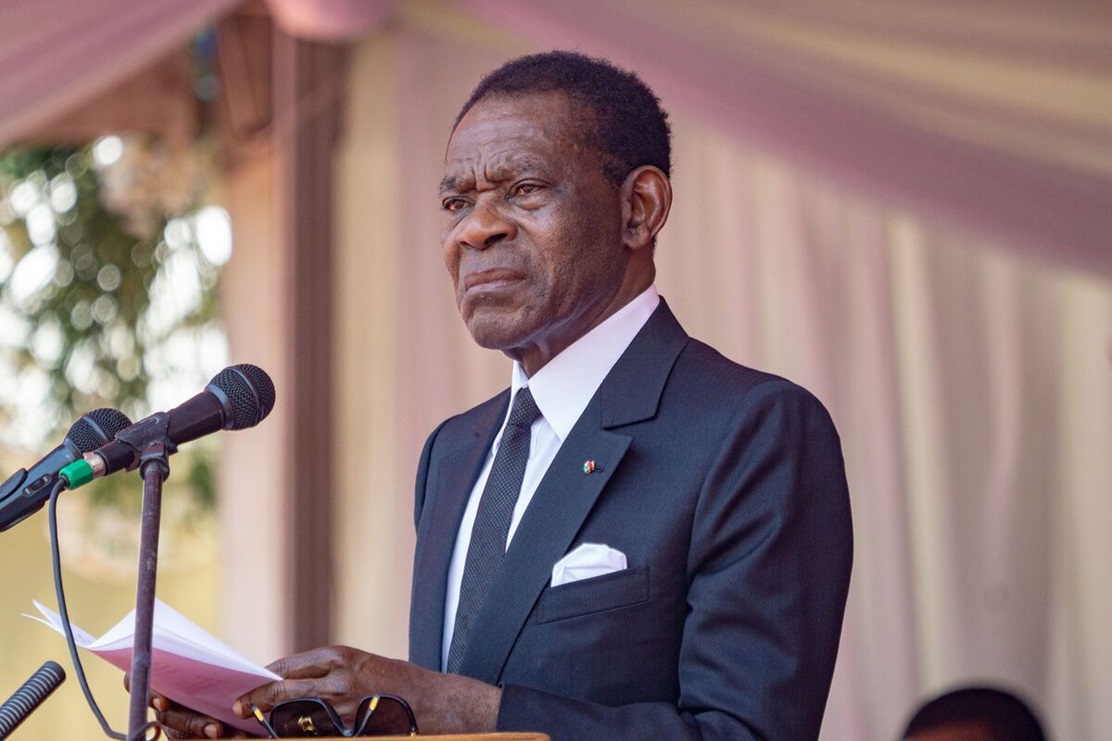
Obiang, who is currently the world's longest-serving president has ruled Equatorial Guinea since seizing power in a 1979 coup. He reportedly expressed dissatisfaction with the pace of implementation despite decades of oil-driven revenues and public investment.
Oil wealth has not translated into broad-based growth
The cabinet shakeup comes at a critical time for Equatorial Guinea, whose economy has struggled with declining hydrocarbon production and efforts to reduce its dependence on oil exports.
Once among Africa’s fastest-growing economies following major offshore oil discoveries in the 1990s, the country has faced slowing growth as production declines and global energy markets shift. Despite its relatively high GDP per capita, wealth distribution remains uneven, and economic diversification has lagged.
According to Reuters, Equatorial Guinea’s ruling Democratic Party of Equatorial Guinea (PDGE) said the outgoing government had implemented a range of initiatives during its tenure, including reforms in public administration, infrastructure development, public services, and economic growth.
The party described the cabinet’s collective resignation as part of a routine institutional restructuring process designed to align the government with the country’s evolving priorities.
DON'T MISS THIS: World’s oldest serving president announces bid for eighth term in Cameroon
“The government’s collective resignation is part of the institutional reorganization processes that are periodically carried out in the country with the aim of adapting the government structure to the state’s new priorities,” the PDGE said in a statement posted on Facebook, Reuters reported.
Analysts say the reshuffle highlights mounting pressure on the administration to deliver tangible economic outcomes and strengthen governance as fiscal challenges intensify.
The political overhaul also highlights broader questions facing resource-rich African economies seeking to transition beyond hydrocarbons while sustaining growth.
Whether the new cabinet ushers in substantive reforms remains uncertain, but the shakeup signals growing urgency at the highest levels of government to improve policy execution and development outcomes.